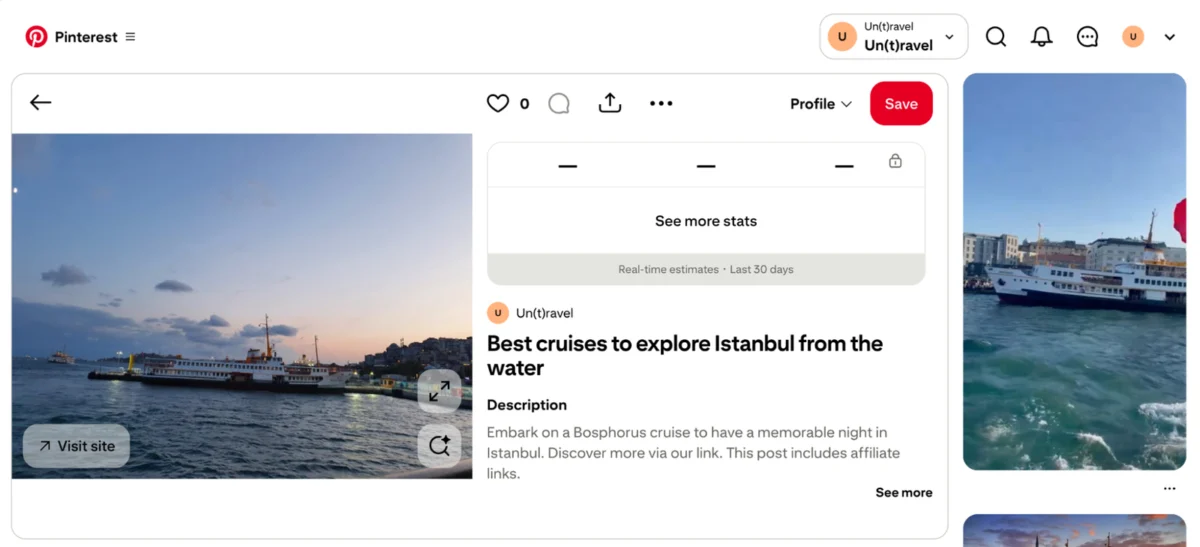
Pinterest has clarified its stance on monetization, confirming that content creators and digital publishers are fully permitted to post affiliate links on the platform. As long as pins offer genuine utility to users and adhere to standard platform policies—primarily involving direct routing to relevant landing pages and clear commercial disclosures—affiliate marketing remains an accessible avenue for generating traffic and revenue.
The confirmation comes as digital creators increasingly look for sustainable traffic sources that offer long-term visibility without the relentless demands of daily content generation required by fast-paced social media platforms. However, while Pinterest itself embraces affiliate content, industry experts note that individual merchant programs maintain varied guidelines that creators must carefully navigate before launching campaigns.
Understanding Platform Policies and Affiliate Rules
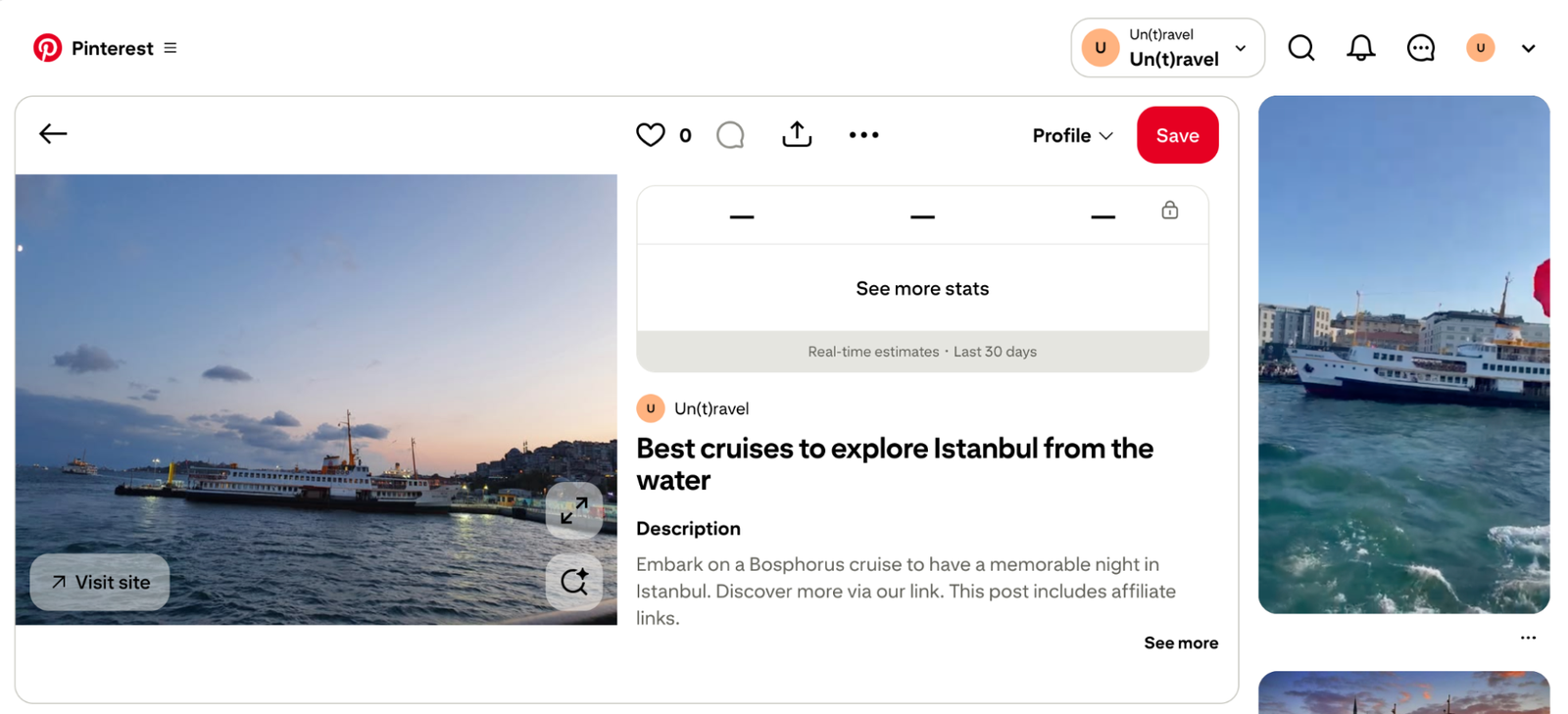
While Pinterest rules explicitly allow affiliate links, individual brand affiliate programs often enforce their own restrictions. Certain merchants prohibit direct linking from third-party platforms, while others explicitly bar Pinterest as a designated traffic source. Consequently, digital creators are advised to thoroughly review the terms and conditions of their chosen affiliate networks—such as the Travelpayouts partnership platform, which hosts numerous travel brands—before deploying links on their pin boards.
Beyond network restrictions, compliance with federal advertising guidelines is mandatory. Both Pinterest policies and Federal Trade Commission regulations dictate that any content possessing a commercial relationship must be explicitly disclosed. Creators utilizing direct affiliate links must incorporate clear disclosures directly into their pin descriptions, utilizing straightforward identifiers such as "#affiliate," "#ad," or explicit sentences indicating the presence of commercial links. Vague terminology like "brand collaboration" or ambiguous partner tags is discouraged to ensure absolute transparency for consumers.
Direct Linking Versus Website Integration
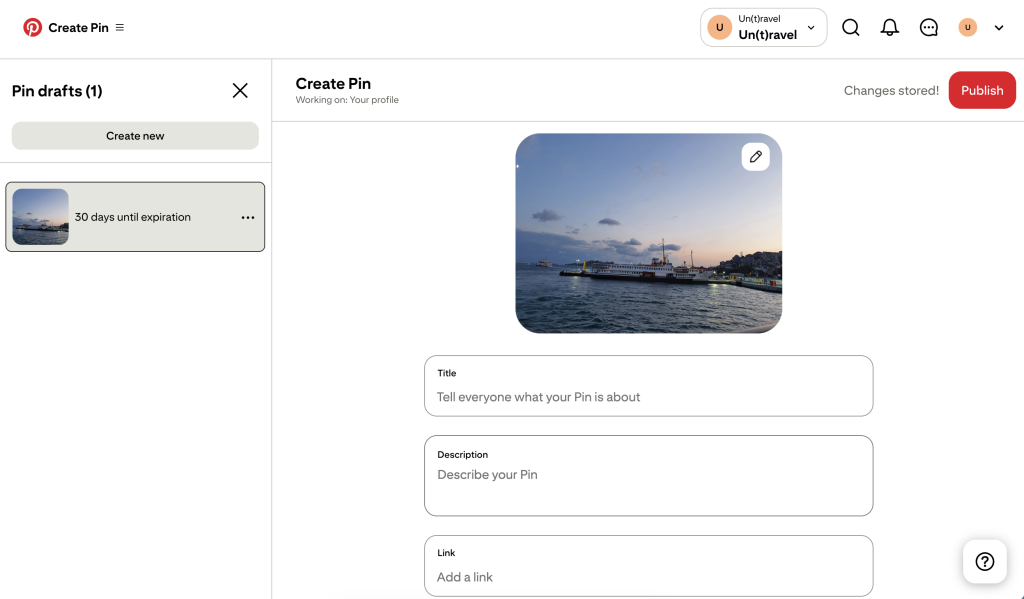
Publishers utilizing Pinterest for affiliate marketing generally choose between two primary operational methods: pasting direct affiliate links into pins or routing traffic back to a personal blog, website, or specialized landing page. Each approach presents distinct strategic advantages and potential drawbacks.
Direct affiliate links appeal to creators focused on rapid, one-off promotions or those leveraging shoppable product tagging to showcase single items. This method eliminates the need for a standalone website, streamlines the user journey, and reduces the number of clicks required to reach a purchase point. Nevertheless, direct linking carries a statistically higher risk of triggering automated spam filters or encountering account restrictions if mismanaged. It also prevents creators from capturing audience data, such as email addresses, for long-term marketing.
Conversely, routing Pinterest traffic to a personal website or landing page establishes a foundation for brand building and audience nurturing. This strategy allows creators to supply deeper context regarding complex or high-ticket products, thereby increasing conversion potential. While it demands ongoing content creation and lengthens the path to purchase, it significantly minimizes the risk of platform penalties and supports a diversified multi-channel marketing funnel.
Industry veterans emphasize the enduring value of Pinterest as a traffic engine. Experienced travel bloggers note that the platform functions as a slow-burn discovery tool rather than a traditional follower-growth network. Pins often continue to drive consistent, organic traffic to blogs and monetized assets for years after their initial publication, offering a reliable alternative to the ephemeral nature of scroll-heavy platforms.
Execution and Best Practices for Publishers
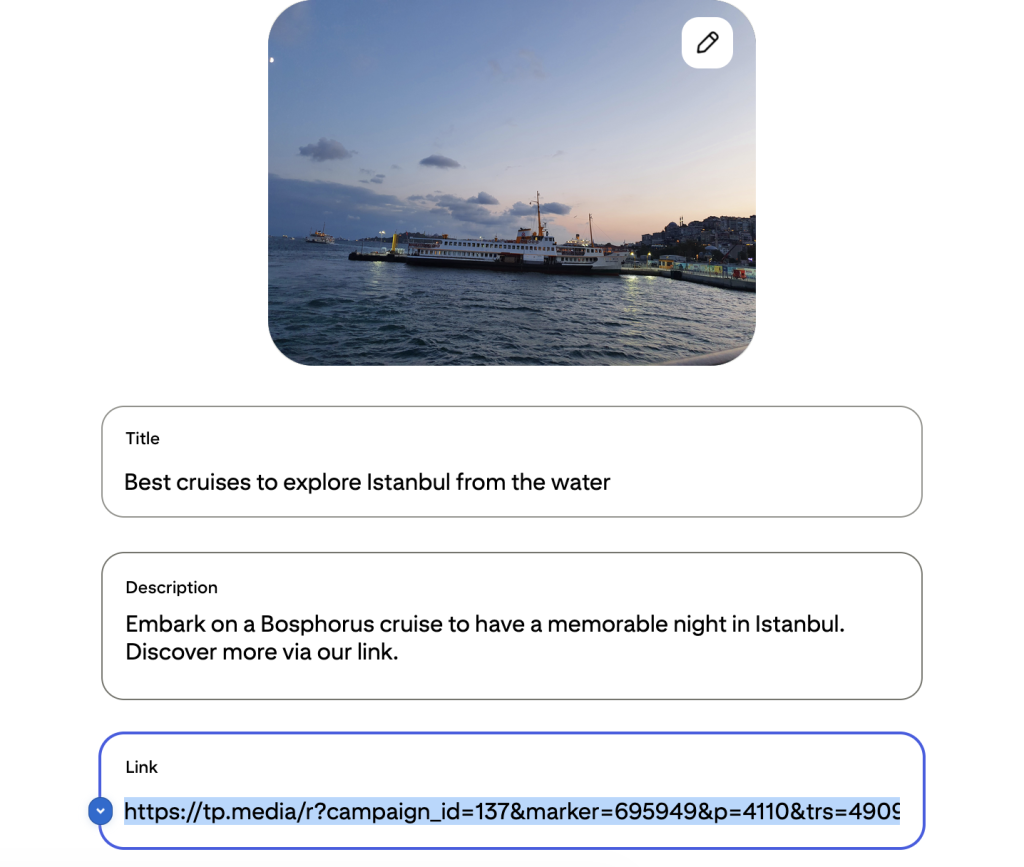
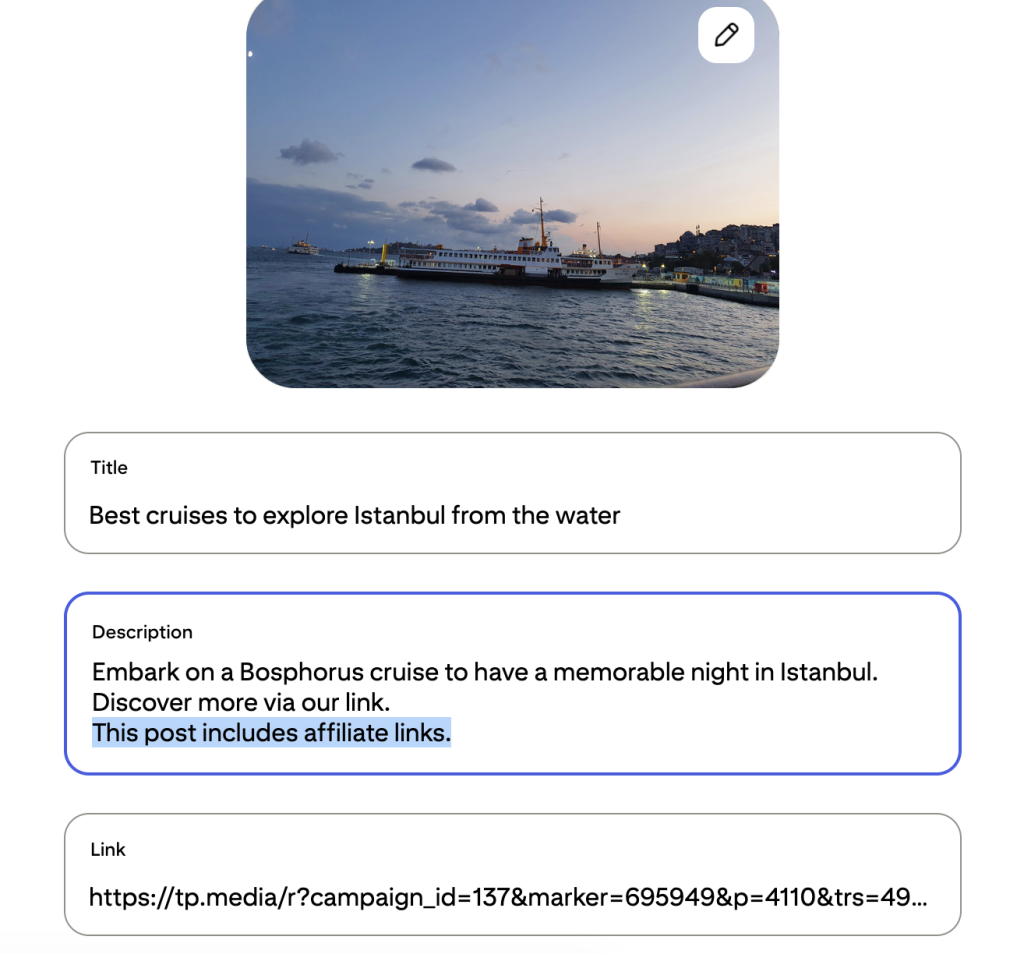
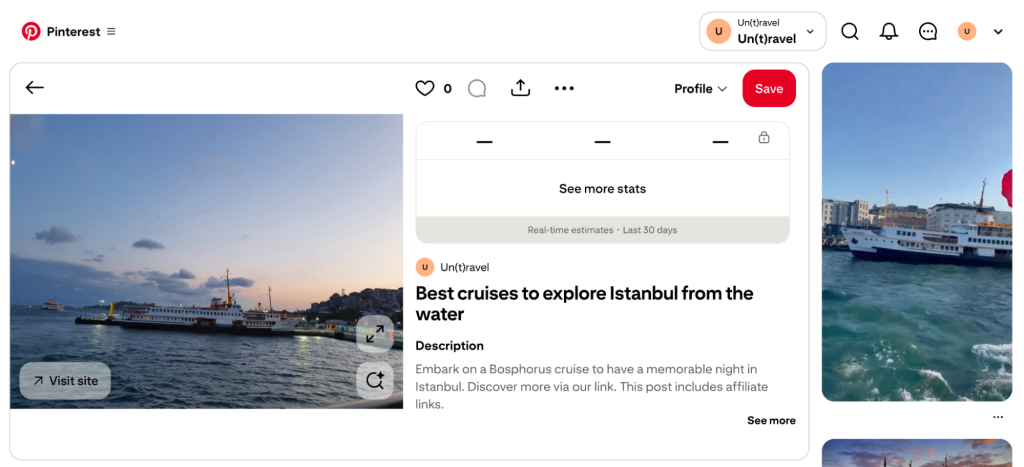
For creators moving forward with Pinterest affiliate strategies, proper execution safeguards account health and preserves user trust. When building a pin, publishers must select imagery that directly corresponds to the promoted product or service, such as pairing a cruise photograph with a relevant booking platform link.
Full tracking URLs should be pasted directly into the designated link field, while avoiding link shorteners that frequently trigger platform security filters. Furthermore, verification steps—including testing the live link across both desktop and mobile environments—ensure that the destination page functions correctly and delivers the expected user experience.
By balancing strict adherence to platform transparency guidelines with a thoughtful promotional strategy, creators can effectively leverage Pinterest as a durable component of their digital monetization framework.