Scuba diving is a pursuit that undergoes a profound metamorphosis as a diver gains experience. For the uninitiated, the initial journey is often defined by a cocktail of nerves, the rigid technicality of the Open Water Diver course, and the inevitable, slightly clumsy struggle with buoyancy and gear management. However, those who transition from novice status to seasoned underwater explorers often find that their perspective shifts entirely. The acute anxiety of the first few dives eventually gives way to a deeper, more nuanced appreciation of the sport—and a realization that there is a vast, unspoken curriculum of lessons that only time and experience can truly impart.
When asking veteran divers—those with thousands of logged dives—what they wish they had known at the start of their journey, the responses are rarely brief. There is a collective wisdom within the diving community, spanning from those who have just earned their certification to the veterans who have spent decades beneath the surface. Recently, this community pooled its collective experience, identifying recurring themes that serve as vital guidance for new divers. By synthesizing these perspectives, we can distill the core principles that help transform a nervous beginner into a confident, composed, and conscientious diver.
The Art of Slowing Down and Relaxing
One of the most persistent hurdles for those new to the underwater environment is the natural, yet counterproductive, urge to rush. This impulse frequently manifests in a variety of ways: hurried breathing patterns that deplete air supplies prematurely, or a rapid, frantic descent that leaves the diver struggling to equalize their ears effectively. It is a common beginner’s trap, but one that experienced divers are almost unanimous in identifying as a primary area for improvement.
The seasoned consensus is clear: slowing down is the single most effective way to improve one’s diving experience. A deliberate, measured breathing rhythm is the foundation of buoyancy control. When a diver forces themselves to breathe slowly and deeply, they achieve a level of stability in the water column that simply cannot be forced through physical exertion. Furthermore, a slower, more intentional descent allows the diver the necessary time to conduct critical checks—monitoring their physical comfort, their gear, and their surroundings.
Beyond the mechanics, there is a significant psychological component to this advice. The most capable divers are not necessarily those who spend the most time underwater, but rather those who have cultivated the ability to remain calm and composed before they even submerge. This mental stillness allows for better decision-making and a more immersive experience. As noted by experienced divers in recent discussions, the overarching mantra for those just starting is simple: relax, because there is no rush.
Prioritizing Buoyancy Over Equipment
In the modern era of high-tech gear and accessible underwater photography, the temptation to accessorize early is immense. An underwater camera is often the first item on a new diver’s shopping list. However, veteran divers offer a cautionary note: prioritize the mastery of buoyancy and trim before introducing the distraction of a camera.
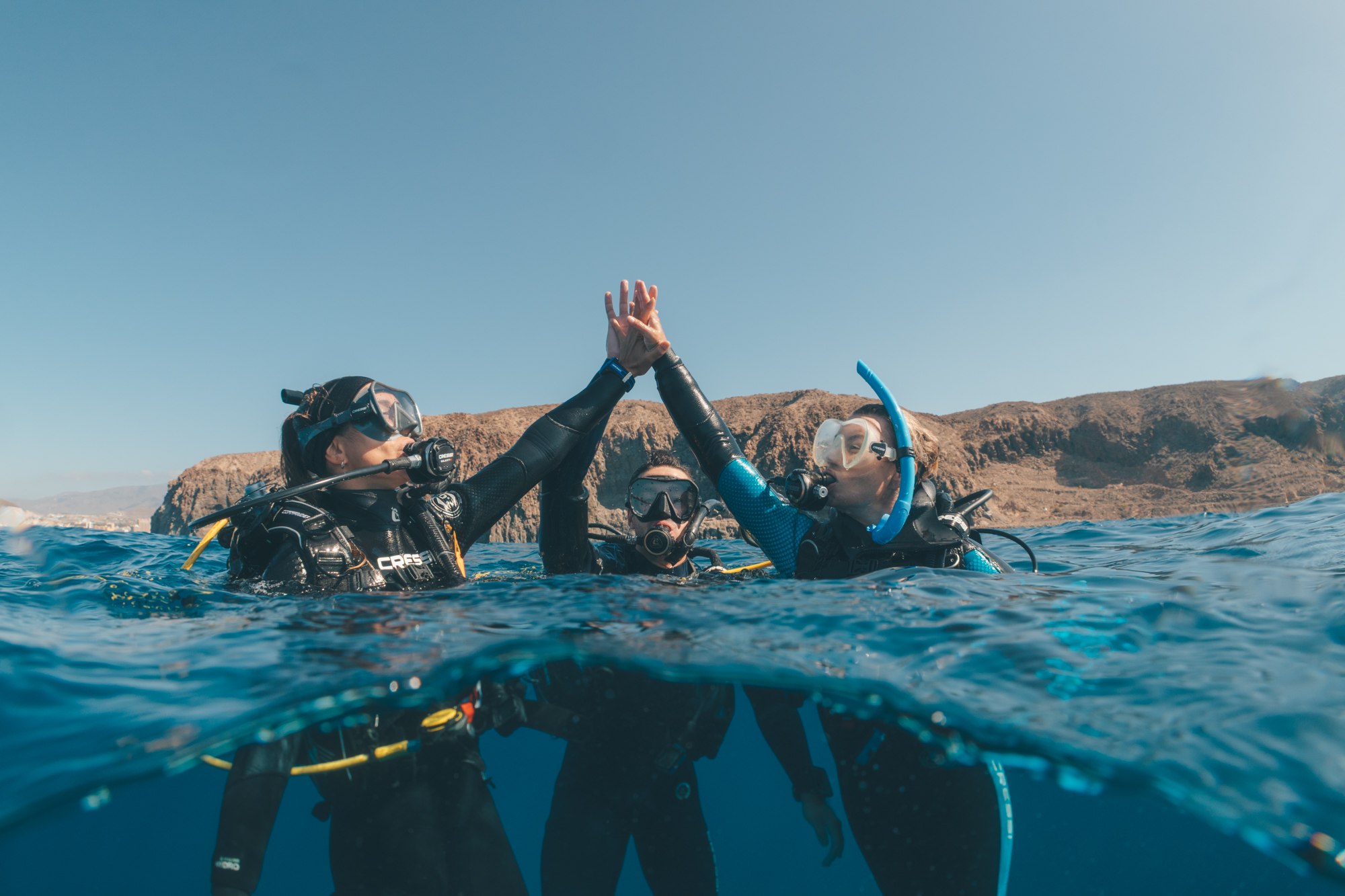
The reasoning is rooted in safety and environmental stewardship. Experienced divers often report observing beginners who, in their eagerness to frame the perfect shot, lose all situational awareness. They may inadvertently drift into sensitive reef structures, stir up silt that obscures visibility, or lose track of their depth and air consumption. While the camera is not inherently to blame, it acts as a cognitive load that beginners are often not yet prepared to manage.
The recommendation is not to abandon photography, but to sequence one’s development sensibly. By focusing on achieving neutral buoyancy and proper body positioning during early, equipment-free dives, a diver builds the muscle memory necessary to move through the water with grace. Once these fundamentals are second nature, adding a camera becomes a natural extension of the dive rather than a dangerous distraction.
Embracing the Role of a Guest
A recurring theme in discussions among experienced divers is the fundamental shift in mindset regarding the underwater environment. There is a deep, shared commitment to environmental ethics: an absolute prohibition on touching coral, a strict policy against chasing or harassing marine life, and a firm stance against using the seabed as a resting point or removing "souvenirs" like shells.
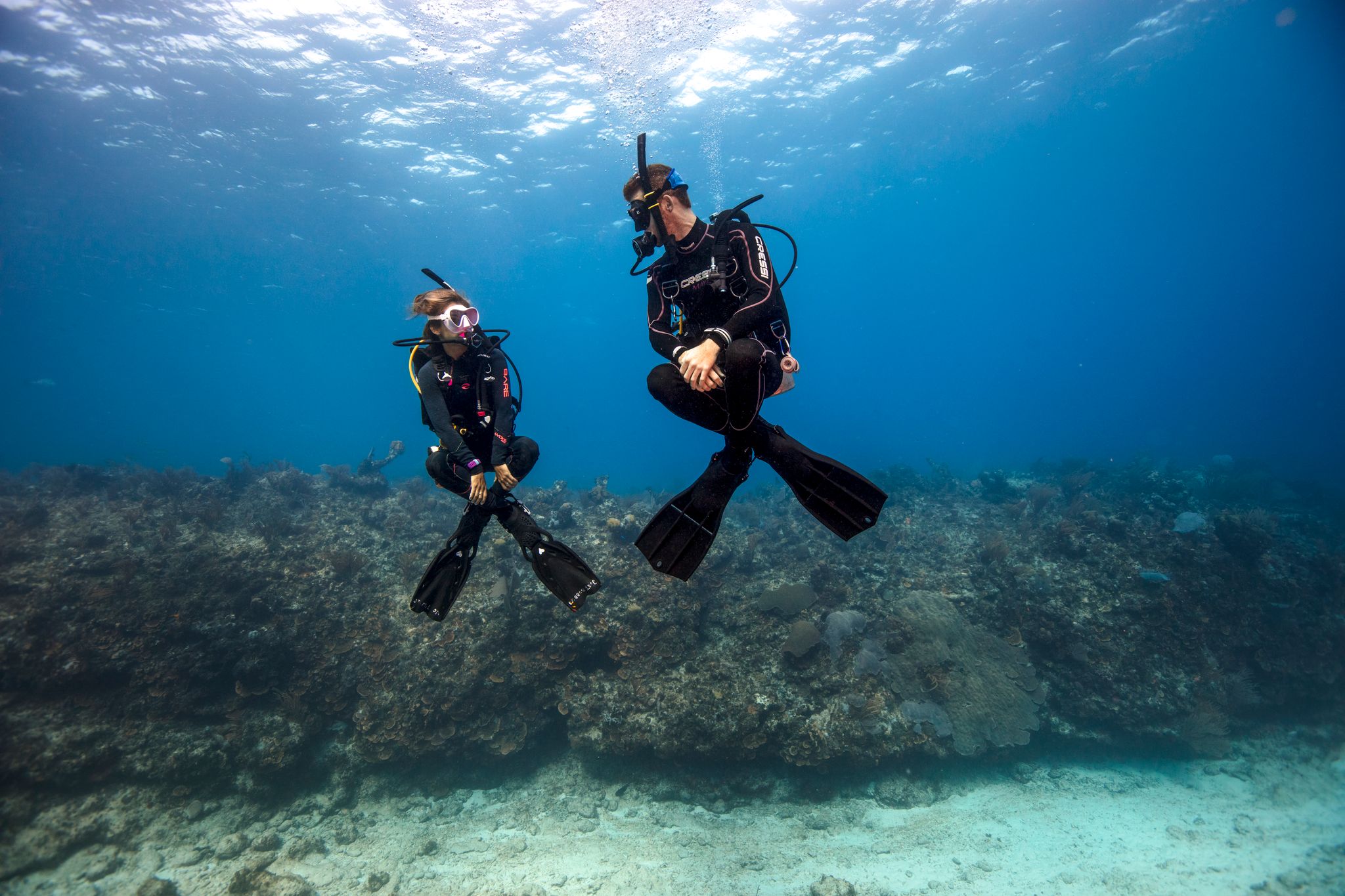
This perspective is best understood when one views a dive site not as a playground, but as a living, fragile environment where the diver is merely a visitor. Treating the ocean as a privilege rather than a backdrop changes how a diver interacts with the world around them. It is a mindset that emphasizes humility and respect, recognizing that every touch or disruption has a consequence. This sense of responsibility is a hallmark of the experienced diver, who understands that the health of the ecosystem is paramount to the longevity of the sport.
Rejecting the Myth of Competition
Diving is occasionally marred by a culture of "one-upmanship," where depth records and total dive counts are used as metrics of prestige. However, the community is increasingly pushing back against this narrative. A high number of logged dives does not automatically equate to superior skill, and depth is never a measure of a diver’s worth.
True confidence underwater is derived from consistent practice, rigorous self-awareness, and a commitment to lifelong learning. Many of the most experienced divers are the first to admit that they continue to learn something new on almost every single dive, regardless of their experience level. This realization is particularly encouraging for beginners, who are often intimidated by the perceived expertise of their peers. The message is clear: do not be intimidated, and never feel pressured to dive beyond your comfort level. If a diver feels the need to end a dive early, that decision should be respected, not criticized. The ocean is not a competitive arena; it is a space for personal exploration.

Cultivating Safety and Trust
Safety protocols in scuba diving are designed to be immutable, yet their execution relies on human judgment. The most fundamental advice centers on the buddy system: never dive alone, and always perform a diligent buddy check before entering the water.
Honesty is perhaps the most underrated safety tool. Whether it is admitting to faster air consumption or acknowledging that a particular dive site feels beyond one’s current capabilities, transparency is essential. There is no shame in having a higher air consumption rate than one’s buddy, but failing to communicate that reality can lead to dangerous situations. Furthermore, the importance of refresher training cannot be overstated. When a diver has spent an extended period out of the water, skills naturally fade. Acknowledging this and proactively seeking a refresher course is a mark of a responsible diver, not a sign of weakness.
A Commitment to Lifelong Learning
Ultimately, the most successful divers are those who approach the sport with a sense of eternal curiosity. The community values a hunger for knowledge over a false sense of certainty. Even those with thousands of dives continue to refine their trim, enroll in specialty courses, and seek mentorship from others.
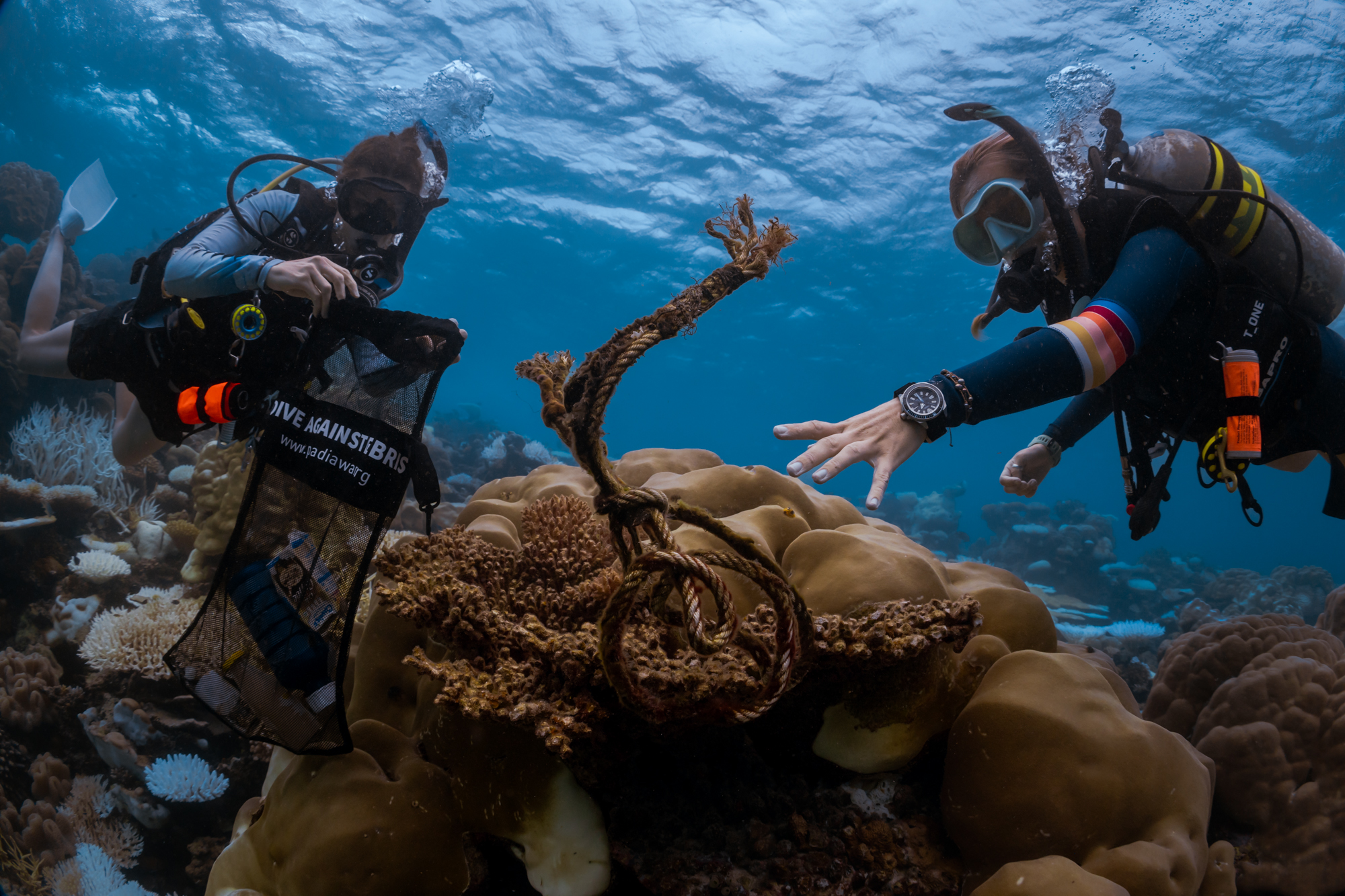
The journey of a diver is not about reaching a destination where mistakes are no longer possible; it is about remaining open to improvement at every stage. From the very first breath taken during an open water session to the countless dives that follow, the process is one of continuous growth. For those ready to begin or resume their journey, the path is clear: seek out professional guidance, engage with local dive shops, and approach the underwater world with the respect and preparation it demands. Whether pursuing a new specialty or simply returning to the water for the joy of the experience, the opportunities for learning and discovery remain as vast as the ocean itself.