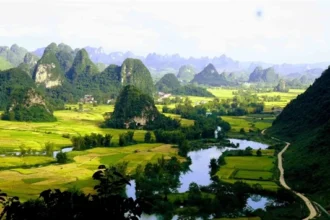
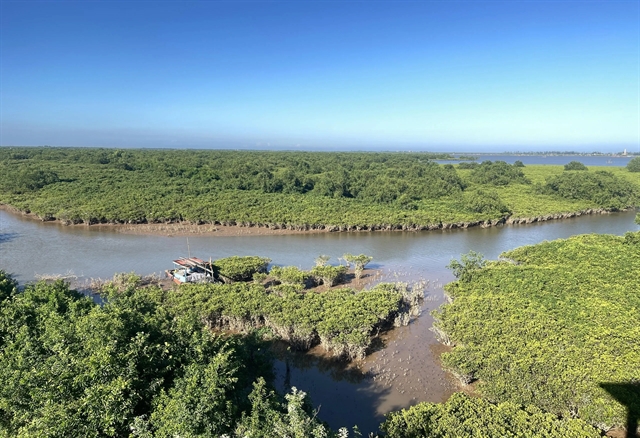
Spanning more than 7,000 hectares across the communes of Giao Minh, Giao Hòa, and Giao Phúc, the park represents a classic, highly dynamic coastal estuary ecosystem. Over generations, the continuous natural processes of sediment deposition and coastal erosion characteristic of the Red River Delta have molded the landscape. These geological forces have produced a diverse topography featuring extensive tidal flats, dense mangrove forests, shifting sandbanks, and a complex network of active waterways.
In a significant administrative development, Ninh Bình provincial authorities have officially recognized Xuân Thủy National Park as an authorized tourism site. This long-awaited recognition is expected to establish a foundational framework for standardizing visitor services, ensuring environmental protection, and providing a reliable structural basis for the sustainable development of ecotourism, immersive nature experiences, specialized birdwatching excursions, and comprehensive environmental education programs.
The national park has long enjoyed international and national acclaim for its profound ecological importance. Its journey into global conservation history began in 1989, when its pristine wetlands were officially designated as Việt Nam’s very first Ramsar site. This milestone made Việt Nam the 50th contracting party to the Ramsar Convention on Wetlands of International Importance. Building upon this prestigious status, the park was subsequently recognized as an ASEAN Heritage Park and, in 2004, was integrated into the Red River Delta coastal biosphere reserve recognized by UNESCO, cementing its status as a cornerstone of regional and global biodiversity conservation.
A Vital Stopover for Migratory Birds
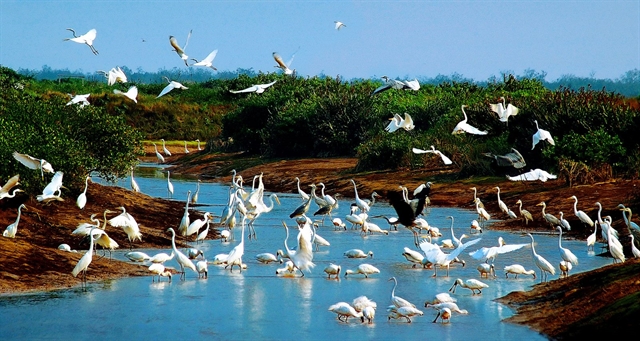
The diverse wetlands of Xuân Thủy comprise a mosaic of distinct habitats, each supporting a specialized biological community. These include mangrove-covered tidal flats, open mudflats, aquaculture shrimp ponds, sandy coastal areas, dynamic estuarine waters, sandbanks, and winding tidal channels.
This remarkable variety of habitats underpins a remarkably rich spectrum of plant and animal life. Scientific records indicate that the park is home to more than 200 species of higher plants, which notably include 14 major mangrove species that act as the ecological backbone of the coastal defense and nursery grounds. Furthermore, the park harbors 112 species of phytoplankton, 110 species of zooplankton, an impressive 385 species of invertebrates, 155 species of fish, and 427 distinct insect species, creating a robust biological web.
Among all these living treasures, birds remain the park’s most distinctive and widely celebrated attraction, drawing researchers, photographers, and nature enthusiasts from far and wide.
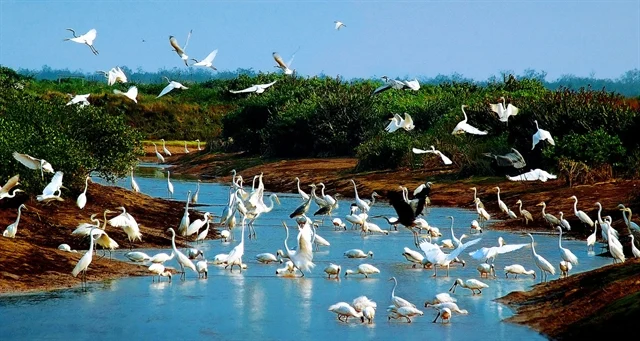
Comprehensive ecological surveys have documented an astonishing 222 bird species belonging to 42 families and 12 orders within the park boundaries, a significant 166 of which are migratory species. Xuân Thủy functions as an indispensable, critical stopover and wintering site for waterbirds navigating the heavily relied upon East Asian-Australasian Flyway, one of the world’s primary migratory bird flyways.
Migratory birds arrive at the reserve across shifting seasonal cycles, driven by biological imperatives. Some populations travel southward from northern regions to escape the harsh freezing conditions of the northern winter, while others move northward during warmer months to breed. The period from October through April marks the peak timeframe, during which vast, spectacular numbers of birds congregate in the park, making this the optimal window for visitors hoping to witness the avian spectacle.
During this peak migration season, birds can be observed actively feeding on the nutrient-rich mudflats and in shallow waters, or resting and roosting quietly among the dense mangrove canopy. The visual landscape of the park shifts dynamically with the rhythm of the tides and the sweeping movements of the vast flocks, offering visitors a constantly changing perspective of the wetlands at different times of the day.
Among the rare and vulnerable species that find sanctuary here is the black-faced spoonbill, a remarkable waterbird instantly recognizable by its unique, spatula-shaped bill. It remains one of the primary species receiving dedicated, intensive conservation attention and monitoring efforts at Xuân Thủy.
Phan Văn Trưởng, an official from the park’s management board, noted that approximately 100 migratory bird species utilize the protected area as a crucial resting and feeding stopover each year. Moreover, the park sustains a significant proportion of the global population of the endangered black-faced spoonbill. Over the years, the distinctive silhouette of this remarkable bird has evolved to become closely and proudly associated with the identity of Xuân Thủy National Park.
From Wetlands to Village Life
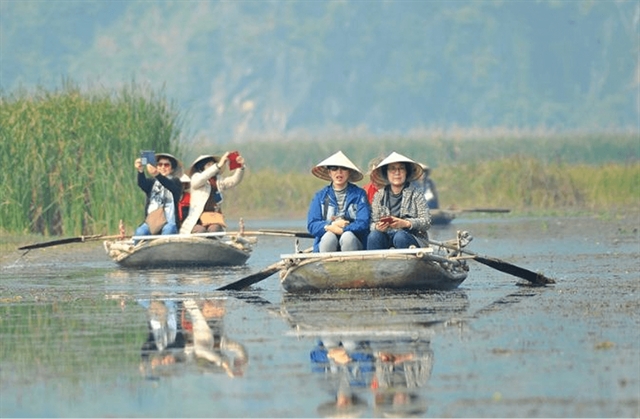
For travelers eager to immerse themselves directly in the landscape, a traditional boat trip stands out as one of the most effective and rewarding ways to explore the park. Cruising slowly along the quiet waterways, visitors can closely observe the towering mangrove forests, expansive mudflats, and open stretches of water while scanning the horizon for birds and other wildlife. Guided boat excursions organized around sunset offer yet another striking perspective on the wetlands, as the fading daylight casts golden hues across the reflective water and the dense coastal vegetation.
Complementing the boat journeys, the park actively organizes specialized field trips, guided birdwatching tours, and broader countryside excursions tailored to diverse visitor interests. For a truly hands-on experience, travelers can try their hand at catching clams directly on the tidal mudflats alongside local residents, particularly in areas surrounding the Ramsar zones, gaining an appreciation for the traditional labor required to harvest the sea’s bounty.
For those wishing to extend their connection with the natural environment, camping is permitted within designated zones. However, overnight stays require prior formal registration with the park’s management board, and visitors must make their own arrangements for equipment or bring their camping gear independently.
Beyond the immediate boundaries of the protected wetlands, the surrounding rural landscape offers an equally compelling cultural journey. Over many generations, local residents have carved out stable communities on land reclaimed through hard work along the margins of the Red River Delta. Traditional brick houses, ancient pagodas, and historic Catholic churches stand side by side throughout the villages, silently reflecting the area’s rich history, enduring resilience, and cultural diversity.
Local festivals provide yet another vibrant avenue for experiencing authentic community life firsthand. Visitors fortunate enough to time their journeys correctly may encounter traditional chèo singing—a beloved form of Vietnamese traditional opera—as well as chầu văn performances, energetic lion dances, and spirited folk competitions that often feature traditional boat racing and local wrestling matches.
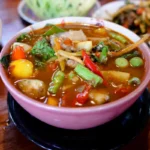
Culinary traditions form an equally integral component of the local travel experience. Regional specialties available to visitors include fresh jellyfish salad and the renowned Hoành Nha crab paste. Travelers frequently take home authentic bottles of Sa Châu fish sauce and a variety of other artisan products crafted by local families.
For travelers looking beyond the more heavily commercialized and better-known attractions of the broader Red River Delta, Xuân Thủy offers a rare, unspoiled opportunity to experience a landscape where wild nature and human community life remain intimately and harmoniously connected. The productive wetlands continue to provide essential food and shelter for countless migratory birds, while the surrounding waterways and mudflats continue to sustain the resilient local communities that have lived alongside them for generations.