For many, the transition from a structured corporate career to the professional world of scuba diving represents more than just a change in employment; it is a fundamental shift in lifestyle. As the global interest in underwater exploration surges, India is rapidly positioning itself as a premier destination for those seeking to earn their professional credentials. The country offers a unique confluence of diverse marine ecosystems, a burgeoning domestic diving market, and an increasingly sophisticated network of training facilities that cater to aspiring PADI Professionals from every corner of the globe.
The appeal of becoming a PADI Pro—whether as a Divemaster or an Instructor—lies in the transformative nature of the profession. It is a career path that transcends age, nationality, and background, uniting individuals through a shared commitment to the ocean. A recent look at the training landscape in India reveals a vibrant community where an 18-year-old student might find themselves training alongside a 45-year-old professional seeking a mid-life pivot. This intergenerational and international mix is a hallmark of the Indian diving scene, where cultural diversity and the shared language of the sea create an environment conducive to deep, lasting professional connections.
The Global Appeal of India as a Diving Destination
India’s rise as a hub for professional diver training is inextricably linked to its status as a world-class travel destination. With approximately 20 million international tourists arriving in 2024, the country continues to demonstrate a massive draw for those seeking cultural heritage, wellness retreats, and adventure. For the aspiring PADI Professional, this influx of global travelers provides a dynamic training ground.
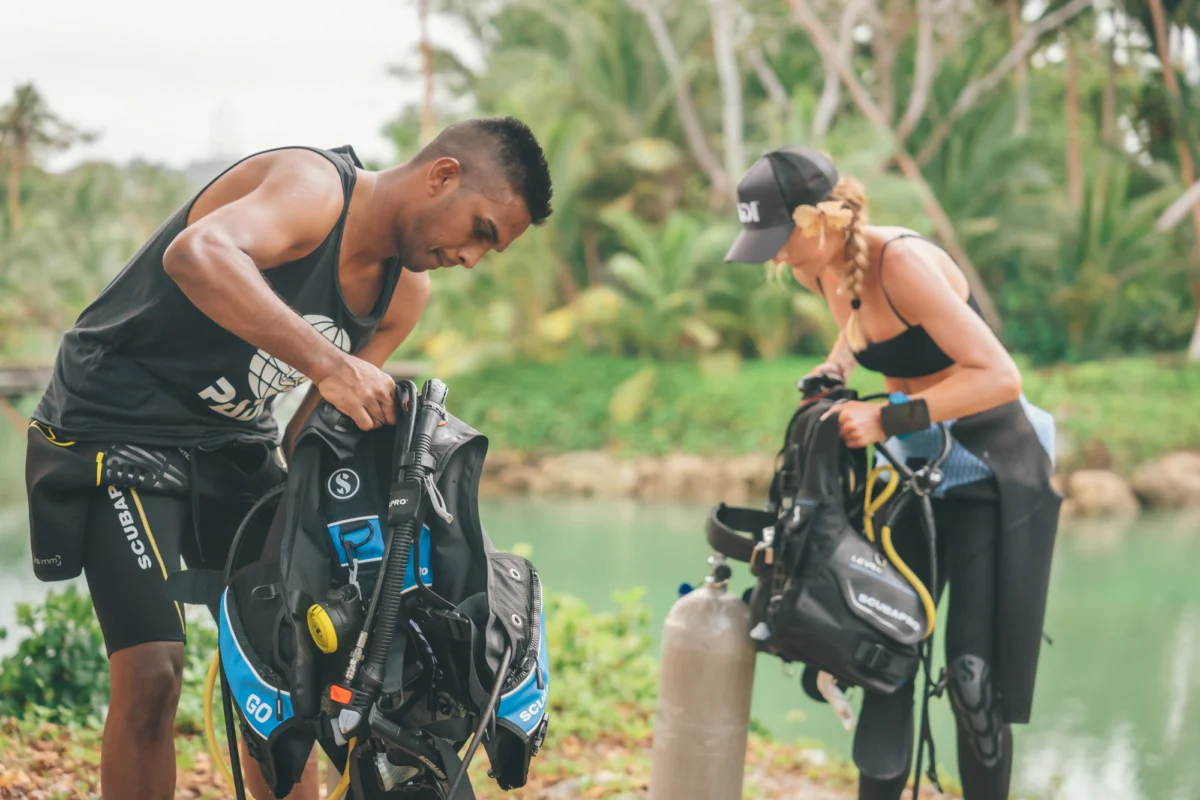
Unlike traditional hospitality roles that may offer fleeting interactions, the profession of scuba diving fosters long-term relationships. During the rigorous training process to become a PADI Divemaster or Instructor, candidates spend extended periods working with real-world guests. This hands-on experience allows trainees to act as mentors and guides, often building friendships that span continents and endure long after the dive trips conclude. By choosing India for their professional journey, trainees are not merely learning technical skills; they are integrating themselves into a global community of ocean enthusiasts, gaining exposure to a vast array of international perspectives that enrich their professional and personal development.
Resilience and Growth in the Domestic Diving Market
While international tourism has historically been the lifeblood of the dive industry in India, the last few years have signaled a profound shift in the market’s structure. The early 2000s were defined by a reliance on seasoned international divers who traveled specifically for the region’s marine beauty. However, the post-pandemic era has catalyzed a dramatic rise in domestic interest.
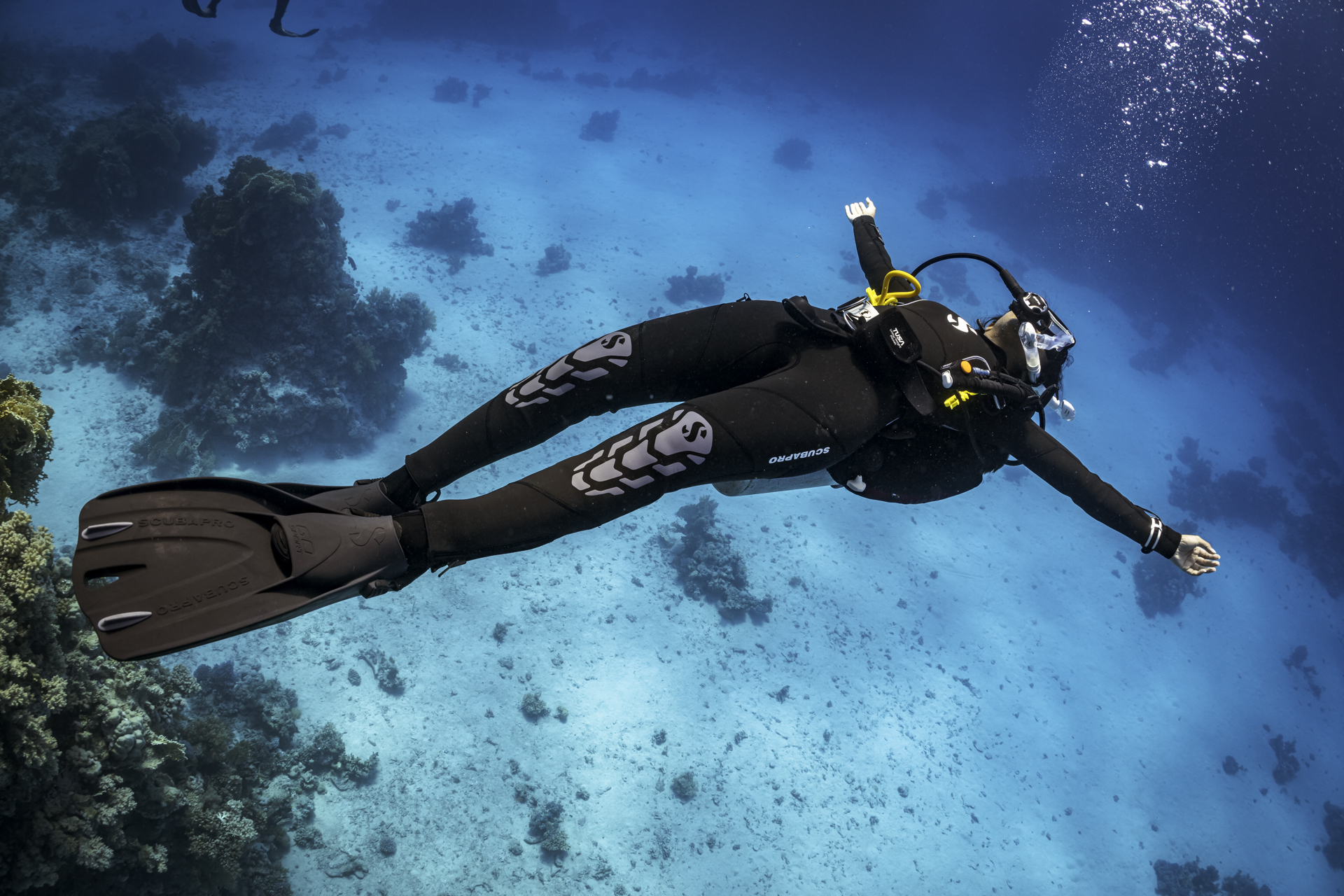
Increased local awareness regarding ocean conservation and a growing appetite for adventure among India’s urban population have solidified a strong domestic market for scuba diving. This transition has provided a vital buffer for the industry. Even during periods when international travel faced disruptions, the Indian dive sector remained remarkably active. This resilience is a significant selling point for prospective professionals. Choosing to undergo training in an environment with a robust and consistent local demand ensures that the career path remains viable and active year-round, regardless of fluctuations in the global tourism landscape.
Exploring India’s World-Class Marine Environments
The diversity of India’s coastline provides an unparalleled classroom for those in PADI professional training. The country’s geography offers a spectrum of underwater environments, ranging from the accessible and popular sites in Puducherry, Goa, and Kerala to the more remote and pristine waters of the Andaman Islands and the Lakshadweep archipelago.
Each of these regions presents unique challenges and rewards. The Andaman Islands, in particular, are home to Barren Island, a site that stands as a testament to the raw beauty of the region. As India’s only active volcano, the site offers an extraordinary underwater topography characterized by massive coral formations and a thriving marine ecosystem. With visibility often stretching between 200 and 330 feet (60 to 100 meters), it provides an immersive experience that is rare even on a global scale. These environments serve as more than just scenic backdrops; they are essential training grounds where professionals learn to navigate complex marine ecosystems, manage varying current conditions, and develop the observational skills required to protect and interpret the ocean for others.
The Role of the Professional as an Agent of Change
Perhaps the most compelling aspect of becoming a PADI Pro in India is the profound impact one can have on the local population. Despite India’s massive coastline of over 6,800 miles (11,000 kilometers) and a population exceeding 1.4 billion, a significant portion of the country has had limited exposure to the wonders of the ocean.
As a PADI professional, you are uniquely positioned to serve as a bridge between the land and the sea. For many students, the first breath taken underwater is a life-altering experience. Whether it is guiding a beginner through their first encounter with a sea turtle or witnessing the awe of a student seeing a vibrant coral reef for the first time, these moments are deeply personal and permanent. Professionals who train in India are at the forefront of this shift in perspective. They are not just teaching a skill; they are facilitating a transformative experience that fosters a lifelong appreciation for marine conservation. The gratitude and connections formed during these pivotal moments often define the career of an instructor, grounding their professional work in a sense of purpose that is hard to replicate in other industries.
Mentorship and Professional Development
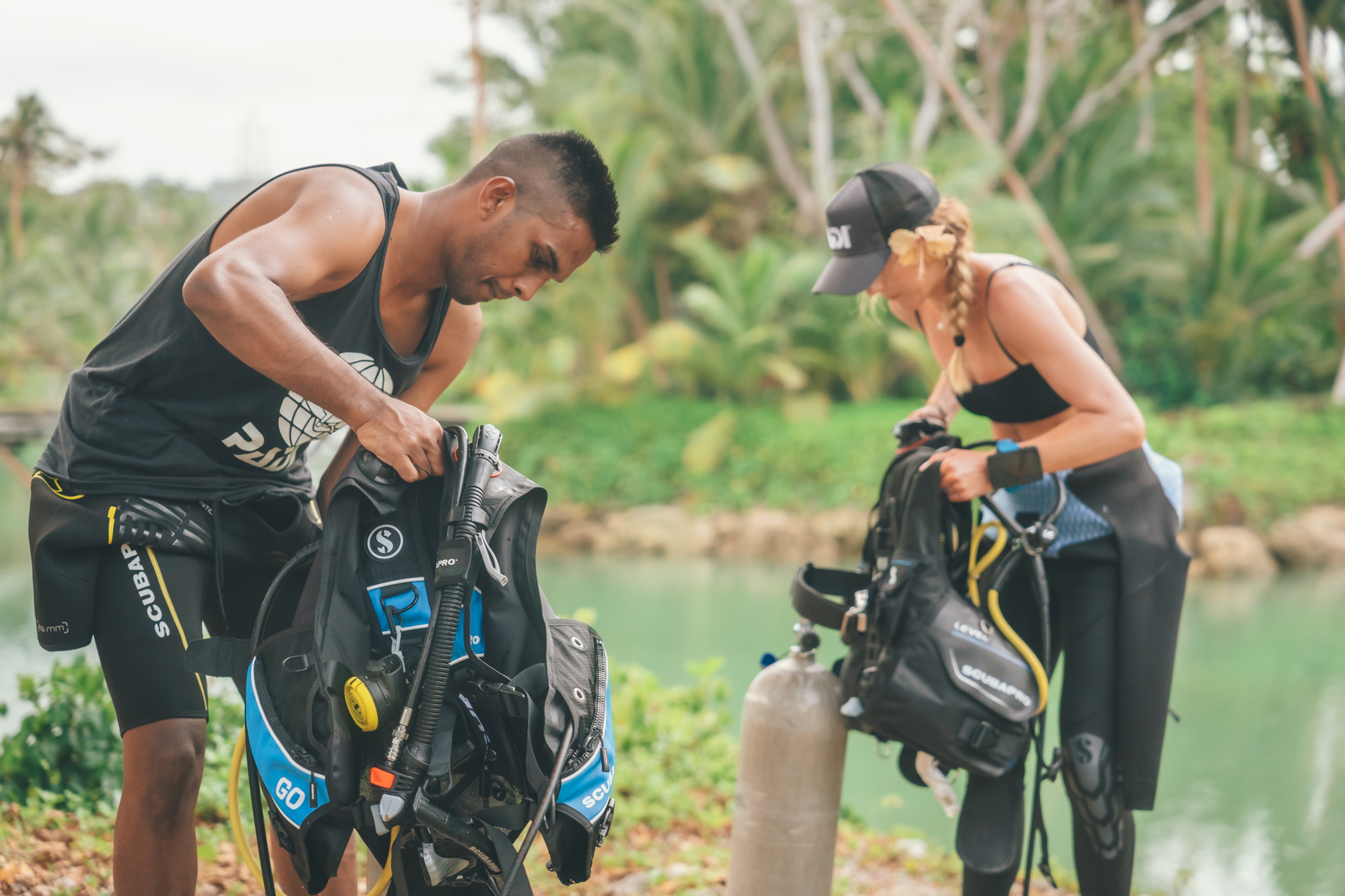
The quality of professional training in India is bolstered by a wealth of experience among its leadership. The country’s PADI Five Star IDC (Instructor Development Course) Centers are staffed by mentors who have navigated the very same path their students are currently walking. Many of these professionals arrived at the sport through diverse career trajectories, having transitioned from fields such as medicine, journalism, marketing, law, and engineering.
This diversity of background brings a multifaceted approach to training. Furthermore, India’s PADI Course Directors bring decades of international experience to the table, having worked in various global diving hotspots. This blend of local contextual knowledge and global best practices provides students with a well-rounded education. Mentors help candidates navigate the nuances of the industry, offering guidance that is both technically precise and culturally sensitive. For those starting their PADI Pro journey, this mentorship is invaluable, providing a roadmap that balances the technical requirements of the PADI curriculum with the real-world skills necessary to succeed in a competitive global market.
Ultimately, the decision to pursue a career as a PADI Professional in India is an investment in a lifestyle that values adventure, continuous learning, and human connection. The monotony of traditional office environments is replaced by the dynamic nature of the sea, where every day offers a new discovery, a new marine sighting, or a new lesson in leadership. As the industry continues to professionalize and expand, India stands out as a destination that offers the perfect mix of challenge, opportunity, and personal growth. Whether one aims to focus on dive instruction, marine conservation, or specialized guiding, the foundation provided by the Indian training landscape is robust, internationally recognized, and deeply rewarding. It is a path that offers not just a job, but a vocation that one can pursue with pride for years to come.