
Imagine earning affiliate commissions without having to post a single sunset photo, curate an endless list of generic travel tips, or rely on traditional destination blogging. While the digital travel space is heavily saturated with personal blogs and social media influencers chasing algorithmic trends, a new breed of utility-driven platforms is quietly redefining how travel commerce operates.
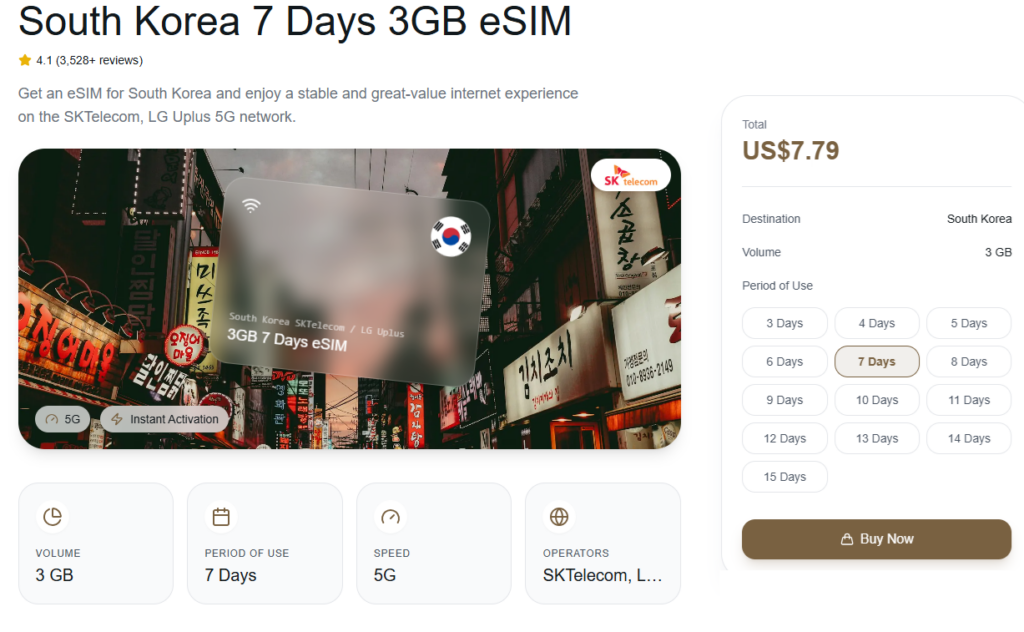
Take TripTripGo, a Hong Kong-based travel site that approaches the industry from an entirely different angle. Centered around branded electronic SIM cards (eSIMs) as its core product, the platform has successfully expanded into a diverse ecosystem encompassing affiliate-based hotel and tour sales, as well as broadband connectivity solutions for local residents. The enterprise also features a dedicated mobile application, establishing a multi-touchpoint relationship with consumers.
The resulting digital destination is neither a traditional editorial blog nor a conventional e-commerce storefront. Instead, it functions as an integrated travel utility. With monthly affiliate revenue rapidly approaching the five-figure mark, the business model is proving not only viable but highly lucrative.
Starting Where Every Trip Starts: Connectivity
Edward launched TripTripGo in 2024, driven by a straightforward observation regarding the friction inherent in modern trip preparation. Rather than offering inspiration first, the platform targets immediate logistical needs.
Planning a contemporary journey is frequently a fragmented experience. Travelers typically purchase mobile data from one provider, compare hotel rates across a secondary platform, and book local excursions or tours through entirely separate channels. Recognizing this inefficiency, the founding team saw a clear opportunity to bring these essential needs closer together under a unified ecosystem.
Defining an ambitious operational goal was straightforward, but determining the precise starting point required strategic execution. The team ultimately settled on eSIMs—all-digital mobile data plans that eliminate the need for physical SIM cards—because reliable connectivity is among the very first requirements a traveler has upon arriving at an international destination. By anchoring the platform to essential connectivity, TripTripGo established a natural gateway to assist users with subsequent stages of their travel journey.
Building an eSIM Brand From Scratch
In its initial phases, TripTripGo operated simply by reselling third-party phone plans. However, as the platform gained traction, the team made the strategic decision to develop and launch their own proprietary eSIM offering.
While running any standard travel website comes with its fair share of operational hurdles, building a telecommunications product from the ground up introduces an entirely different tier of complexity. Establishing carrier partnerships, managing global data routing, ensuring seamless device compatibility, and handling real-time customer support require meticulous technical infrastructure.
The development process is inherently intricate. As Edward aptly notes, the true challenge of building such infrastructure lies in keeping that underlying complexity completely hidden from the traveler, ensuring a seamless user experience. Despite the heavy lift, the strategic advantages quickly outweighed the operational challenges.

By transitioning to a proprietary product, the company secured a direct relationship with travelers and gained significantly greater control over the overall customer experience. Relying exclusively on third-party providers would have left the team with minimal influence over how data plans are presented, priced, supported, and continuously improved.
Small Team, Reach, and Localization
Managing the transition from a passive marketplace to an active service provider required deliberate, incremental steps. The overarching strategy focused on refining the user experience step-by-step, listening attentively to customer pain points, and making buying and installation instructions as clear and accessible as possible.
This operational philosophy yielded substantial growth. Monthly website traffic currently hovers around 300,000 visitors, a massive leap from the roughly 10,000 visitors recorded two years prior. Simultaneously, mobile application installs have surpassed the 10,000 mark, demonstrating solid retention and brand loyalty among users.
TripTripGo’s primary language is Traditional Chinese, reflecting the strong cultural and geographical connection to its core audience in Hong Kong. For these travelers, trips within the Asia-Pacific region—particularly destinations such as Japan, South Korea, Taiwan, mainland China, and Thailand—represent the highest volume of bookings. To accommodate a broader demographic, the site also offers Simplified Chinese for other regional speakers and full English support for the international market.
As the platform has scaled, the internal team has expanded to four members, with responsibilities divided across technical development, customer support, marketing, and commercial partnerships. Given the lean nature of the team, roles frequently overlap. Customer feedback received by support staff can rapidly inform technical improvements or influence marketing adjustments across multiple operational areas simultaneously.
Expanding Product Offerings and Maintaining Curation
Beyond proprietary eSIMs, users visiting the platform can browse hotels and recreational activities and complete bookings through established partner brands. Data harvested from eSIM sales provides valuable market intelligence, guiding the team as they evaluate which affiliate offerings to integrate next.
The selection process is data-driven and intentional. The team closely monitors inquiries from customers, destinations experiencing surging eSIM demand, seasonal traffic patterns, partner inventory availability, and emerging search trends. If analytics indicate that consumers are purchasing a high volume of data plans for a specific destination, that surge signals a clear demand for complementary hotel and activity guides tailored to that location.
This commitment to quality over quantity extends directly into the editorial content of the guides. As Edward emphasizes, the primary objective is to provide a useful, highly curated shortlist rather than an endless inventory dump that overwhelms the user.
While hotel and activity pages generate reliable affiliate revenue, they also serve a vital top-of-funnel purpose by helping travelers discover the platform earlier in the planning cycle, long before they are ready to purchase data. Meanwhile, eSIMs remain the central anchor of the business model, carrying the proprietary brand name and allowing the team to directly iterate on the product based on direct consumer interaction.
Streamlining Operations With Unified Partnerships
TripTripGo began experimenting with affiliate monetization shortly after its initial launch. However, as the site expanded rapidly, managing a growing portfolio of distinct partnerships created a significant administrative burden. For a lean team, handling individual partner onboarding, custom tracking links, attribution models, and fragmented reporting systems introduced substantial operational overhead when managed separately.
Seeking a more efficient way to scale commercial operations without expanding administrative headcount, the company integrated with Travelpayouts. The objective was clear: find a practical method to monetize diverse segments of the travel journey without needing to build and maintain separate technical integrations and reporting workflows for every individual travel brand.
The platform provided access to multiple travel brands and diverse monetization options through a single centralized dashboard. Additionally, the system allowed the team to test which specific travel products and brands resonated most effectively with their audience, while data-rich reporting and robust API access offered deeper operational visibility and flexibility.
The results materialized quickly, with the first partner bookings recorded within the first month. It soon became apparent that the team had established a repeatable, highly scalable revenue stream. By mapping specific traffic sources and site placements directly to consumer purchases, they gathered actionable insights to further optimize the user experience.
Since March, TripTripGo’s average monthly revenue through the partnership platform—encompassing both confirmed and pending earnings—has been steadily approaching the five-figure threshold. Approximately three-quarters of that revenue is generated through automated monetization tools, demonstrating the efficiency of passive affiliate integration when paired with high-intent traffic.
Strategic Outlook and Future Growth
Looking ahead over the next couple of years, TripTripGo plans to selectively expand its content offerings and test new partner brands. However, expansion will not come at the expense of core functionality. The primary mandate for the team is to deepen their existing capabilities: fine-tuning eSIM performance, accelerating app adoption, and refining the structured-data systems that support the underlying architecture of the site.
The overarching philosophy remains centered on building a coherent, reliable service rather than inflating website metrics with superfluous features designed merely to project scale. By focusing relentlessly on solving real logistical problems for travelers and prioritizing quality over quantity, TripTripGo continues to validate that viable, scalable affiliate businesses can thrive far outside the traditional travel blogging paradigm.