In an unexpected collision between high-stakes international politics and destination marketing, Norway has found itself at the center of a viral moment that has sent traffic to its official tourism website skyrocketing. The incident, which began with a scathing public remark from President Donald Trump, has been met with a nimble and ironic response from Visit Norway, the country’s official tourism board. By leaning into the absurdity of the situation, the Scandinavian nation has managed to transform a political insult into a global showcase for its unique infrastructure and natural beauty.
The controversy erupted earlier this week during a campaign rally in Michigan. Addressing a crowd of supporters, President Trump expressed his deep dissatisfaction with the Oslo-based Nobel Committee, which had recently opted not to award him a Nobel Peace Prize. In a moment of unfiltered frustration, the President directed his ire toward the nation itself, labeling Norway a “shit house country” before bluntly stating, “Frankly, Norway sucks.”
For most national tourism organizations, such a high-profile verbal attack from a world leader would present a significant public relations challenge. Typically, such situations are met with cautious diplomatic statements or, more often, a strategic silence designed to let the news cycle fade away. However, Visit Norway chose a different path—one defined by self-deprecating humor and rapid-response digital marketing.
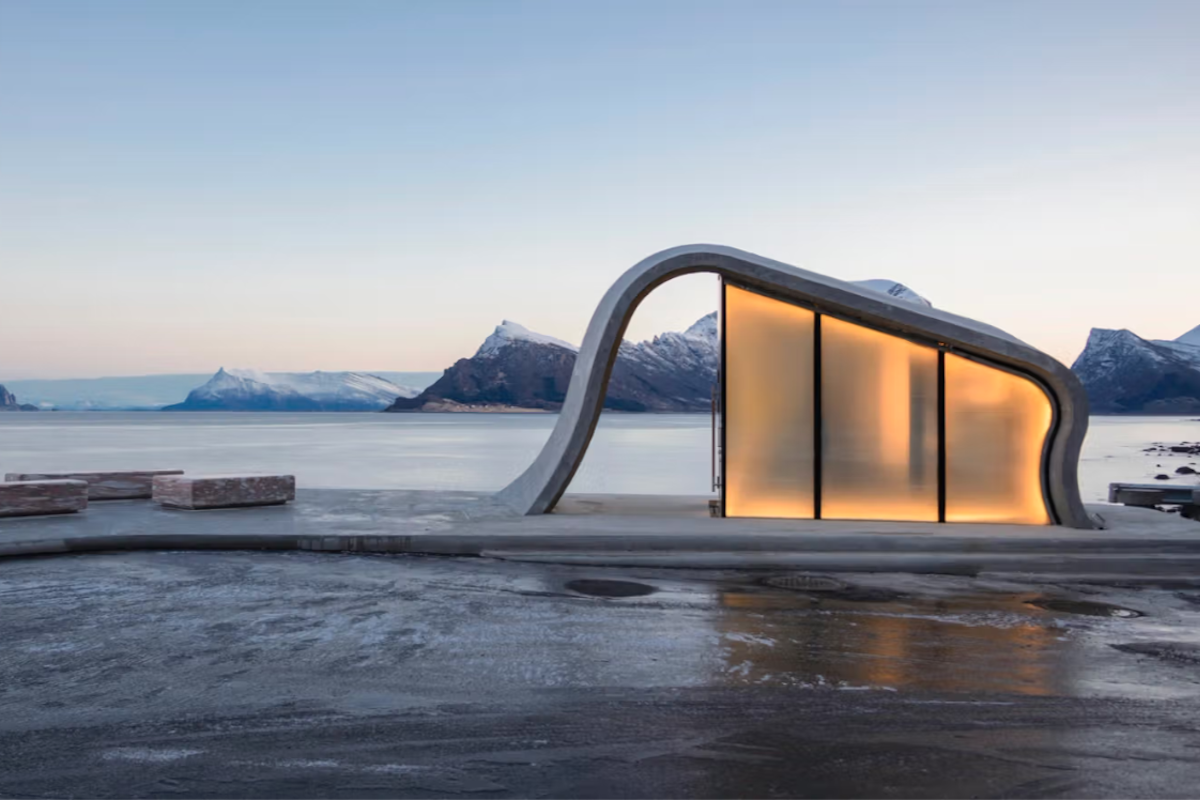
Rather than issuing a formal condemnation or seeking to engage in a policy debate, the destination marketing organization identified an opportunity to subvert the narrative. On Monday night, social media analysts and web traffic trackers noted a peculiar change to a long-standing, somewhat niche page on the Visit Norway website. The page, which had previously served as a straightforward guide to the country’s unique and architecturally significant public restrooms located along its scenic National Tourist Routes, had been updated with a tongue-in-cheek reference to the President’s comments.
The updated page featured a clear nod to the President’s signature political slogan, asserting that the country makes its restrooms “great again.” This subtle, subversive pivot turned a disparaging comment into a punchline that resonated globally. By reclaiming the terminology used against them, Visit Norway effectively disarmed the insult, transforming a negative association into an invitation for the public to inspect the very facilities that had been inadvertently thrust into the spotlight.
The impact of this pivot was immediate and quantifiable. By Friday, the metrics coming out of Visit Norway’s digital department were nothing short of extraordinary. Page views for the toilet-themed content had surged, reaching levels more than 540 times higher than those recorded during the same period in the previous week. The site, which typically caters to travelers interested in the Northern Lights, fjords, and alpine hiking, suddenly found its traffic dominated by users seeking a look at the structures that had sparked a global conversation.
The strategy employed by Visit Norway reflects a growing trend in destination marketing: the ability to pivot rapidly in the face of trending news cycles. In an era where viral social media moments can define a brand’s public perception, the organization’s decision to own the narrative allowed it to maintain control of the conversation. By highlighting the aesthetic and functional quality of these public facilities—many of which are designed by world-renowned architects to harmonize with Norway’s rugged landscape—the tourism board reminded the world that their commitment to public infrastructure is a point of national pride, regardless of external criticism.
These restrooms, which form part of the Norwegian Public Roads Administration’s National Tourist Routes project, are far from standard roadside facilities. They are often heralded as masterpieces of modern design, featuring floor-to-ceiling glass walls, minimalist aesthetic choices, and strategic positioning that allows travelers to gaze out over fjords, mountain passes, and waterfalls while utilizing the amenities. It is this inherent quality that Visit Norway relied upon to make its retort work. The organization’s messaging essentially argued that while the President might have used a colorful phrase to describe the country, the reality on the ground—and specifically in the facilities he disparaged—is one of meticulous care and high-end design.
“What can we say, we do have some of the world’s most beautiful and spectacular toilets,” the organization noted in its follow-up communications. This statement served to bridge the gap between the political absurdity of the initial comment and the reality of the country’s tourism assets. It was an exercise in turning a liability into a brand asset, leveraging the curiosity of the global public to drive engagement that millions of dollars in traditional advertising might not have achieved.
The viral success of the page has also highlighted the changing landscape of tourism communication. Destinations are increasingly finding that the most effective way to engage potential travelers is not through polished, traditional brochures, but through authentic, real-time engagement that mirrors the speed and humor of the internet. By acknowledging the insult directly and then pivoting to the absurd, Visit Norway managed to maintain its dignity while simultaneously boosting its brand profile.
The reaction from the public has been largely one of amusement. On various social media platforms, travelers and critics alike have praised the marketing team’s agility. Many have commented that the episode has actually made Norway seem more accessible and human, moving the brand beyond the stereotypical image of a cold, distant, and overly serious Nordic nation. The ability to laugh at oneself, even when targeted by a high-ranking official, is a trait that resonates well with the modern global traveler, who often prioritizes personality and culture over formal, static destination branding.
Furthermore, the episode serves as a case study for other nations navigating the volatile waters of international public relations. When a country is attacked on the global stage, the instinct is often to retreat or defend. Visit Norway’s success suggests that, in the age of viral media, there is significant value in "the jujitsu of marketing"—using the weight and momentum of an opponent’s move to redirect the energy toward one’s own advantage.
As the week concludes, the traffic to the page shows little sign of slowing down. The "Great Again" restroom page has become a digital destination in its own right, a testament to the power of a well-placed joke in the face of political volatility. Whether this interest will translate into long-term tourism growth remains to be seen, but for the moment, Norway has succeeded in the most difficult aspect of modern marketing: it has captured the world’s attention, kept it, and ensured that the conversation remains centered on the country’s own terms.
The incident underscores the reality that in the 21st century, a country’s reputation is not built solely through policy and diplomacy, but through the narrative arc of its interactions with the rest of the world. By choosing to embrace the absurdity rather than fight it, Visit Norway has ensured that the "shit house" label will forever be associated with their high-design, scenic-view restrooms rather than the country itself. It is a masterclass in modern public relations, proving that even in the face of the most biting political rhetoric, a sense of humor and a bit of architectural flair can be the most effective tools in a nation’s diplomatic arsenal.