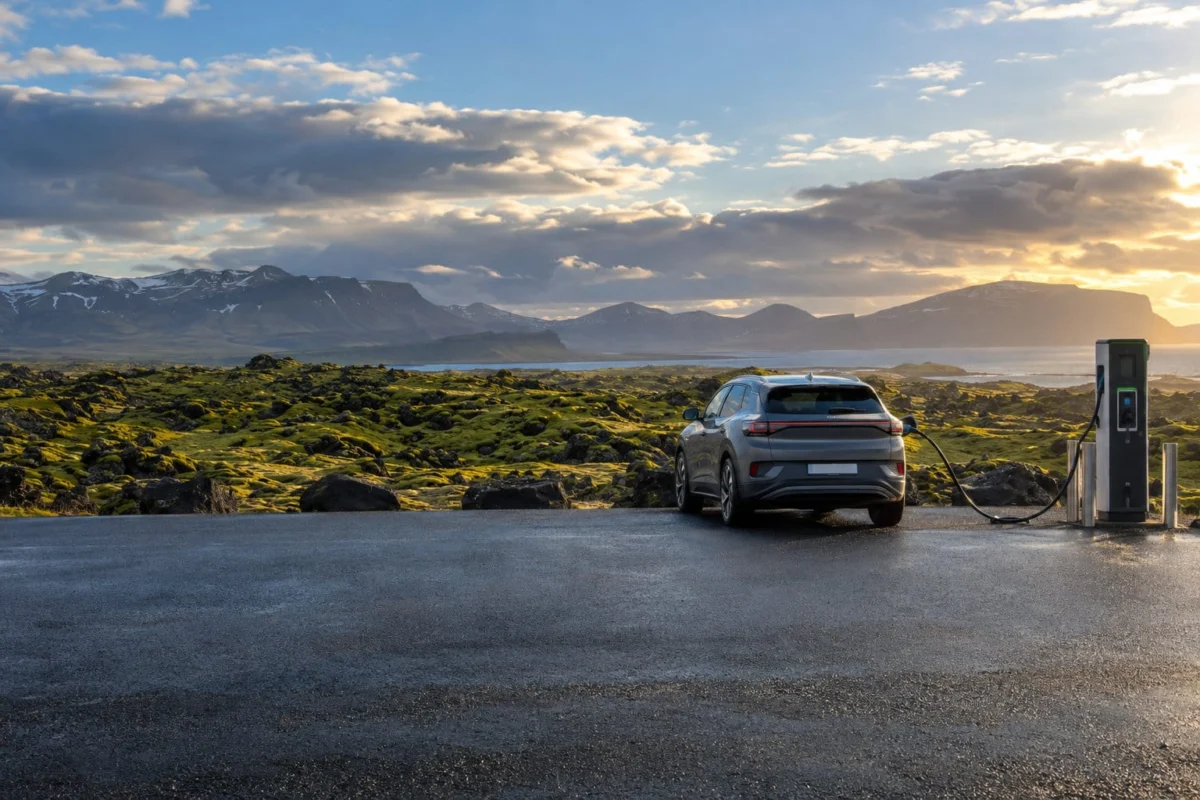
Electric vehicles offer a fresh way to experience Iceland’s remote landscapes, but driving them outside urban areas presents unique challenges. Longer distances, unpredictable weather, and sparse services can reshape how you plan and travel. Careful route selection and preparation are essential when using an electric vehicle on the island’s most scenic roads.
Driving electric vehicles in Iceland’s wild terrain feels different from typical road trips elsewhere. This remote region is known for changing weather, vast distances, and stretches where services may be limited. Adventure travelers are drawn to the potential for low-impact travel, seeking both sustainability and freedom. In addition to learning about how to rent a car in Iceland, it is important to consider the practicalities unique to traveling with an electric vehicle across these landscapes.
The appeal of exploring the North Atlantic island using battery power aligns closely with the nation’s broader commitment to environmental preservation and renewable energy. Iceland generates nearly all of its electricity from geothermal and hydroelectric sources, making the concept of zero-emission travel deeply resonant with the destination’s ethos. Visitors traversing the Ring Road or venturing onto coastal byways often find that the near-silent operation of an electric vehicle enhances the immersive experience of nature, allowing them to take in the dramatic waterfalls, black sand beaches, and sweeping glacial vistas without the hum of an internal combustion engine.
However, translating this sustainable vision into a practical itinerary requires a realistic understanding of infrastructure limitations outside the capital region of Reykjavík and other major population hubs. While urban centers boast dense networks of chargers, the calculus changes dramatically once travelers head into the highlands or less populated fjords.
Navigating long stretches and variable conditions
Distance between gas stations and shops can be considerable on many scenic routes. On some stretches, you may drive for hours before seeing a village or a place to refuel or recharge. Electric vehicles introduce another element, as public charging points are often less dense than in more populated regions.
Narrow roads with little to no shoulder are common, and strong winds or sudden rain can make driving feel more exposed. Weather in these areas can change quickly, with fog or sleet developing within minutes. These conditions emphasize the importance of vigilance, flexibility, and up-to-date information as you travel.
The physical geography of the island introduces operational variables that drivers accustomed to mainland highway systems rarely encounter. Single-lane bridges, blind rises, and unpaved gravel tracks frequently test both driver concentration and vehicle capabilities. When transitioning from smooth asphalt to rough stone surfaces, drivers must adjust their speeds not only for safety and suspension preservation but also to manage tire traction and energy consumption.
Furthermore, Iceland’s maritime climate means that coastal roads are routinely battered by fierce Atlantic gales. Driving an electric vehicle against a severe headwind requires significantly more battery output, compressing the expected driving range and requiring a re-evaluation of daily travel distances. The sheer unpredictability of the climate demands that travelers remain adaptable, prepared to alter their routes or halt their journeys entirely if meteorological warnings advise against travel in exposed sectors.
Considering range and route planning factors
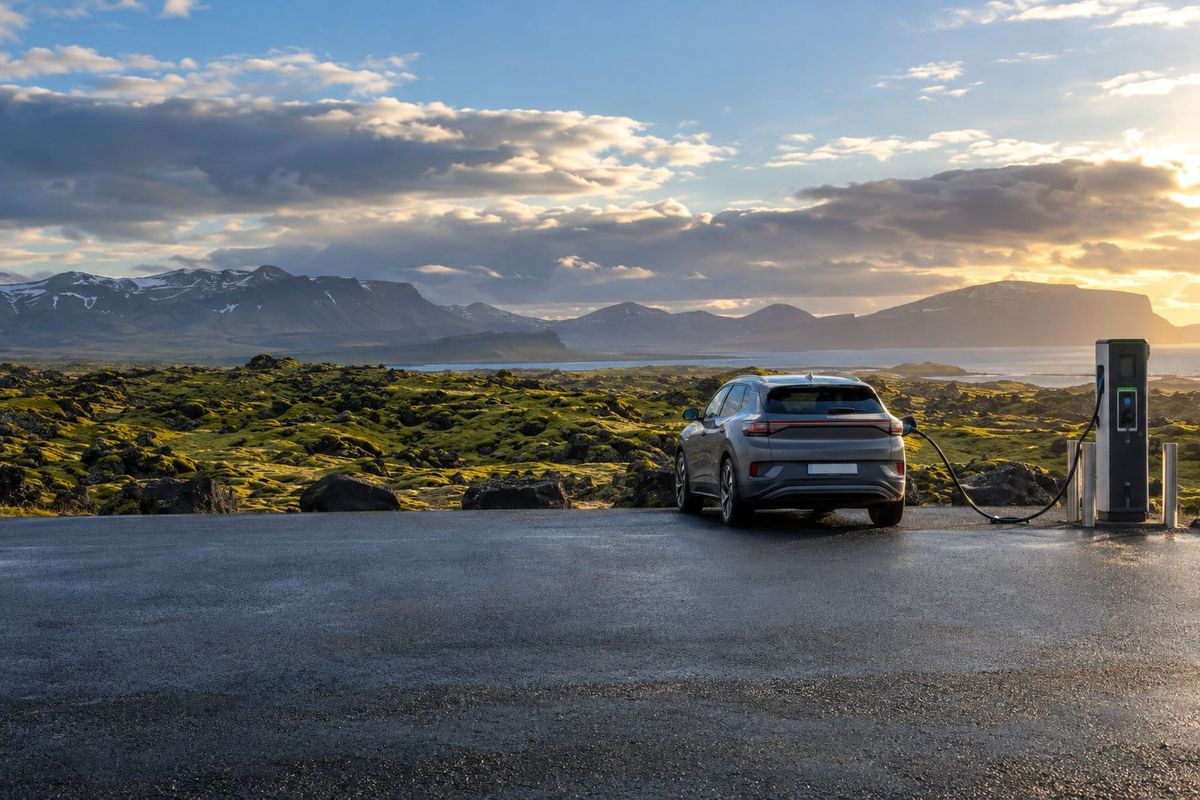
Cold air, headwinds, and hilly terrain can affect electric vehicles differently than gas cars. You may notice the range indicator fluctuates as you gain or lose elevation. Carrying camping gear, food, or bicycles on the roof can also lower efficiency and reduce your expected travel distance.
On routes with gravel stretches, higher rolling resistance can further impact real-world range. Charging infrastructure is expanding, but it is sensible to build a buffer into your plan, accounting for detours or unexpected closures. Many travelers note that slow driving and conservative schedules can help maximize both efficiency and safety.
Battery chemistry is inherently sensitive to ambient temperatures. In colder conditions, which can occur even during summer months in the higher altitudes, the energy required to heat the cabin and maintain optimal battery temperature draws heavily from the overall charge. This dynamic means that a vehicle rated for a specific mileage under standard laboratory conditions may deliver a noticeably shorter distance on the road.
Additionally, the topographical profile of Iceland—characterized by steep mountain passes and deep fjords—means that energy expended climbing elevations is only partially recovered during regenerative braking on the descent. Drivers must constantly monitor their remaining state of charge relative to the distance to the next operational high-output charger. Because network density thins out in peripheral regions, relying on a single charging station without a backup option can lead to logistical complications. Consequently, comprehensive itinerary mapping that incorporates verified charger locations, alternative refueling stops, and real-time road condition feeds has become a standard protocol for electric vehicle journeys across the country.
Charging habits and environmental responsibility
Most travelers encounter various charger types, including fast-charging units and regular AC outlets. It helps to check each station’s compatibility and typical wait times, as busy periods can mean multiple vehicles waiting to charge. What charging cables come standard can influence your experience, so clarify equipment details in advance.
Responsible road use involves more than emissions reduction. Legal roads must be respected to avoid damaging fragile areas, and you should pack out all waste with you. Careful planning and thoughtful travel habits help protect the environment and preserve Iceland’s remote beauty for future visitors.
The operational reality of powering an electric vehicle in less populated areas involves familiarity with different connector standards and network providers. Visitors frequently discover that accessing various regional networks requires specific mobile applications, RFID cards, or pre-paid accounts, making advance preparation essential to avoid connectivity issues in areas with weak cellular coverage. Additionally, peak tourist seasons can introduce congestion at popular charging hubs, occasionally resulting in queues that require travelers to factor potential waiting times into their daily schedules.
Beyond logistical considerations, the ethos of sustainable travel extends to the protection of Iceland’s delicate ecosystems. The island’s volcanic soil and fragile moss-covered landscapes are exceptionally vulnerable to human disturbance. Off-road driving remains strictly illegal and heavily penalized, as tire tracks can scar the wilderness for decades. Responsible navigation, combined with conscientious waste management and respect for local infrastructure, ensures that the growing transition toward electric mobility supports both the visitor experience and the long-term preservation of the natural environment.