If you talk to independent travel writers and digital creators today, the conversation inevitably turns to a single platform: Substack. Long known as a haven for long-form journalists and political commentators, the publishing tool has quietly become a lucrative home for over 100,000 active publishers, drawing significant interest from the travel blogging community. To test whether the platform lives up to its growing reputation, industry observers recently conducted a comprehensive hands-on evaluation, probing the backend details, interviewing the platform’s developers, consulting working travel bloggers, and launching experimental publications to monitor real-world performance.

The appeal of the platform becomes clear when contrasted with the frustrations of traditional social media. For years, independent writers have painstakingly crafted high-quality travel guides, photography essays, and destination insights, only to watch their work vanish into algorithmic feeds within hours. On Substack, a different economic model is taking shape. Writers are discovering a sustainable path where a dedicated readership—such as 4,000 subscribers paying a modest monthly fee for candid opinions on vacations and itineraries—can generate reliable, recurring revenue completely independent of shifting platform algorithms.
Under the hood, Substack operates on a dual-distribution framework. When a creator publishes a post, records a podcast episode, or uploads a video, the content is transmitted simultaneously in two directions. First, it is delivered directly as an email newsletter to the inboxes of all subscribers. Second, that exact same post instantly populates a fully hosted, minimalist website built automatically upon registration, requiring no design or coding knowledge from the creator. Functioning similarly to traditional microblogging platforms but anchored by a permanent archive and direct inbox delivery, the platform also integrates native monetization tools that allow creators to gate all or part of their work behind paid subscriptions.
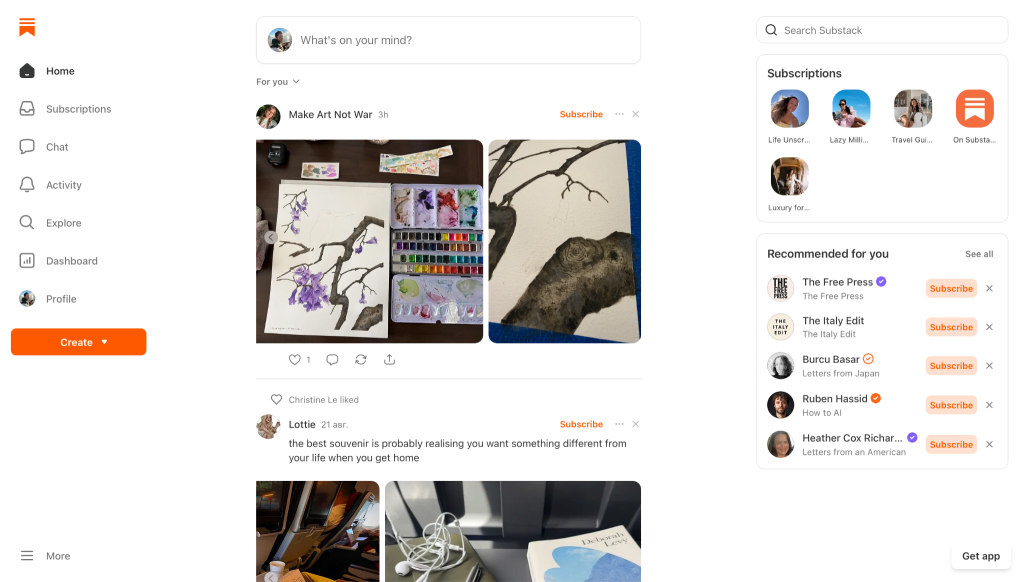
For travel creators navigating a crowded digital landscape, the setup offers distinct operational advantages. Getting started requires little more than naming an account, applying basic visual styling, and publishing at a chosen cadence. Readers discover new content through the platform’s native short-form discovery feed, known as Notes, through recommendations from fellow writers, or via external links. Once a reader subscribes with an email address, the system retains their information, routing future updates directly to their personal inbox and app feed without requiring repeated logins.
Subscription models on the platform are flexible, offering both free and paid tiers. Paid tiers typically unlock exclusive content such as full article archives, subscriber-only dispatches, community chat access, and peripheral perks like travel discount codes or live-streaming sessions. This interactivity layer—featuring likes, comments, and restacks—plays a crucial role in helping emerging travel writers gain visibility among audiences they might not have reached otherwise. Furthermore, creators retain ownership of their mailing lists and custom URLs, providing a vital safeguard against the volatile reach of traditional social networks. With tens of millions of active subscribers across the network, including more than five million paid subscriptions confirmed by the company, the platform offers an established ecosystem of users accustomed to paying for independent content.
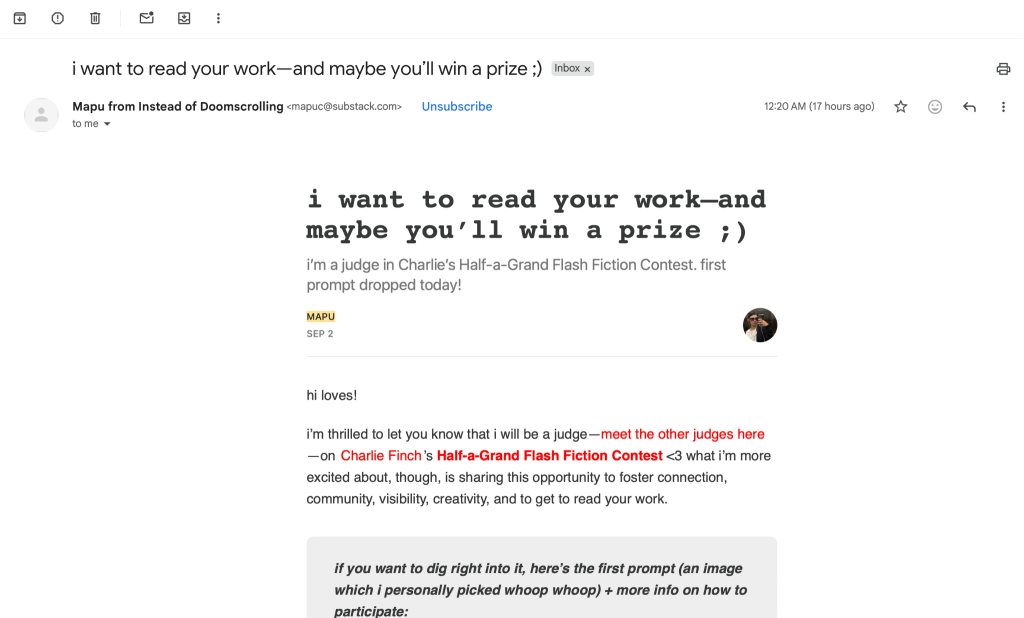
While frequently categorized as a newsletter service, the platform supports a diverse array of media formats. Text remains foundational, but native hosting for podcasts and videos, along with real-time community chats and live video streaming, allows travel creators to diversify their output without necessarily increasing their workload. Industry veterans note that much of this content can be repurposed from existing material, such as condensing a comprehensive blog post into a punchy newsletter, extracting quick tips for the short-form feed, or turning a recent journey into an exclusive subscriber essay.
This multi-format integration yields significant efficiency gains. By bundling email delivery and web hosting into a single service, creators avoid the friction of configuring separate content management systems, hosting servers, or search engine optimization plugins. Every published post immediately indexes on search engines without requiring manual technical adjustments. This setup complements existing digital properties rather than replacing them, offering an additional touchpoint for reader engagement and affiliate marketing.
To measure its efficacy against traditional digital channels, researchers conducted a controlled experiment from scratch. Launching brand-new accounts on Substack and multiple social media platforms using identical handles, profile imagery, and travel content posted simultaneously for a full week, the test revealed notably higher initial engagement on Substack compared to the social networks.
Representatives from Substack’s internal team emphasize that success on the platform relies heavily on authenticity, distinct voice, and niche expertise rather than generic, search-engine-driven listicles. Subscribers increasingly gravitate toward trusted creators offering hyper-local city guides, specialized itineraries, and unfiltered personal essays. Recommended publishing cadences typically center around a weekly benchmark, while collaborative growth strategies—such as guest posts, shoutouts, and joint live video broadcasts—have surged in popularity, with roughly one in three live videos co-hosted by multiple creators. Additionally, automated translation features allowing English content to be rendered into fifteen languages, and vice versa, offer built-in global discovery tools without requiring manual localization from the writer.

Experienced travel creators echoing these insights point to the strategic division between different publishing channels. While evergreen content remains valuable for long-term search traffic on a traditional blog, timely and transient updates—such as breaking travel deals, new hotel openings, or live destination conditions—thrive in a newsletter format. By cross-linking between a personal blog and a newsletter, creators can successfully funnel traffic in both directions, capturing immediate attention via email while building a permanent archive on the web.
Monetization on the platform centers on direct reader subscriptions, with the company retaining a percentage fee alongside standard payment processing costs. However, travel publishers frequently layer independent revenue streams on top of subscriptions, such as integrating affiliate links. Because affiliate transactions occur directly on merchant websites, creators retain those commissions in full. These links integrate naturally into both free and paid posts, allowing writers to generate revenue even from non-paying subscribers during the early stages of community growth.

Ultimately, industry participants suggest that the platform represents a worthwhile venture for creators looking to cultivate a direct, engaged audience around a distinct personal perspective. While less suited for high-volume, generic content mills relying strictly on algorithmic search traffic, the ecosystem rewards independent voices capable of fostering genuine connections with readers who value curated, expert travel insights.