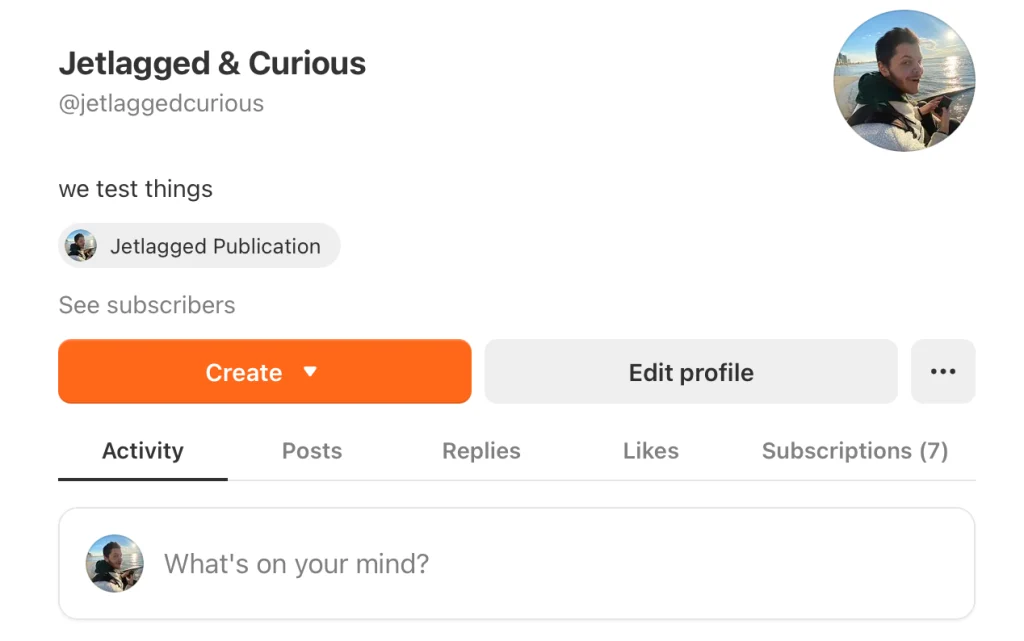
If you talk to travel creators today, chances are you have already heard the name Substack. While the platform is frequently discussed in digital publishing circles, recent tests and industry insights reveal that it is rapidly transforming how independent travel writers build audiences and generate revenue. Behind the marketing claims, publishers are discovering a streamlined system that combines direct reader subscriptions with instant website publishing, offering a viable alternative to traditional blogging and unpredictable social media algorithms.

The appeal of the platform becomes clear when looking at the broader creator economy. Many writers produce high-quality content only to watch it vanish into a social media feed within hours. Meanwhile, independent publishers are finding success by cultivating dedicated readerships willing to pay monthly fees for honest, personal perspectives on travel and vacations. With more than 100,000 publishers now making money on the network and millions of active paid subscriptions, the platform has evolved from a niche newsletter tool into a major force in digital media.
Under the hood, the platform functions through a dual-delivery model. When a creator writes a post, records a podcast, or uploads a video, the content goes out in two directions simultaneously. It lands as an email directly in the inboxes of subscribed readers, while also automatically generating a dedicated webpage hosted by the platform. Creators do not need to design or code anything; a fully functioning website is created instantly upon sign-up at a custom web address. This setup merges the personal touch of email newsletters with the permanence of a traditional website, while also incorporating built-in tools to charge for access to exclusive content.
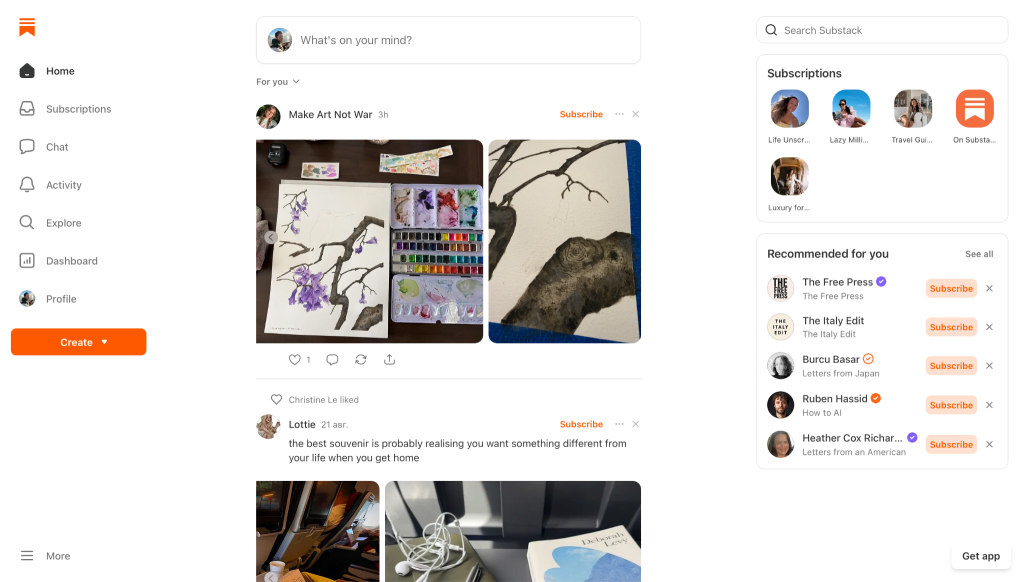
The ecosystem provides creators with multiple ways to reach new readers. Users can discover publications through the platform’s short-form feed, recommendations from fellow writers, or external links. Once a reader subscribes with an email address, new content is delivered automatically to both their inbox and the platform’s mobile application feed. Subscriptions can be offered on a free or paid basis, with paid tiers typically unlocking full content archives, subscriber-only posts, community chat access, and special perks such as discount codes or live sessions. Interaction features like comments, likes, and restacks allow brand-new writers to gain visibility among audiences they might not have reached otherwise.
For travel creators, one of the primary advantages is ownership and control. Unlike social media platforms where algorithms frequently shift and alter content reach, Substack allows creators to retain their mailing lists and maintain a direct line of communication with their audience. The platform features millions of active subscribers across its network, indicating that a substantial audience already exists for independent, paid content.
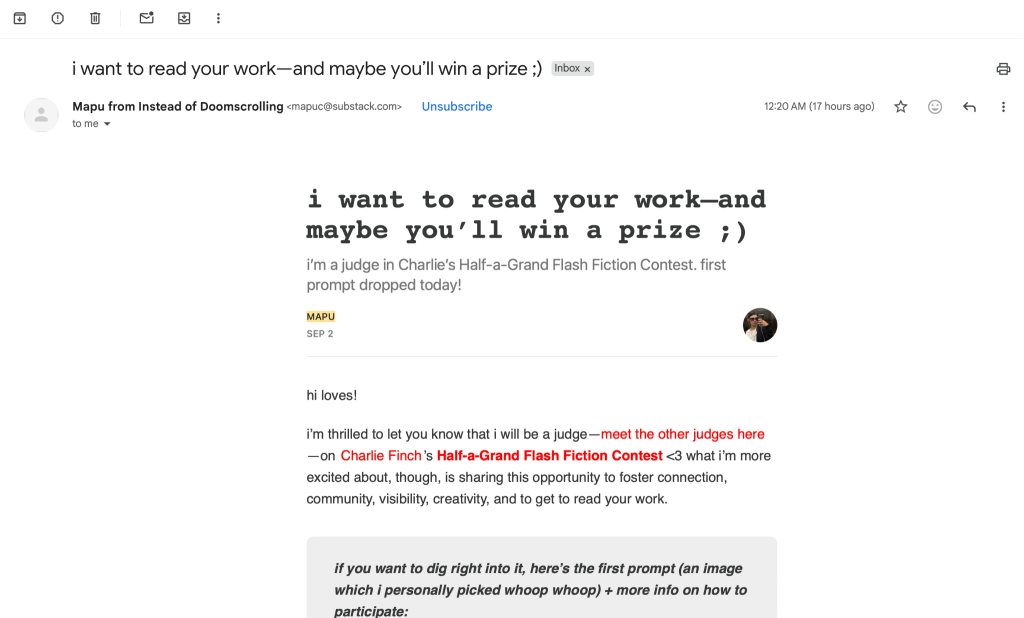
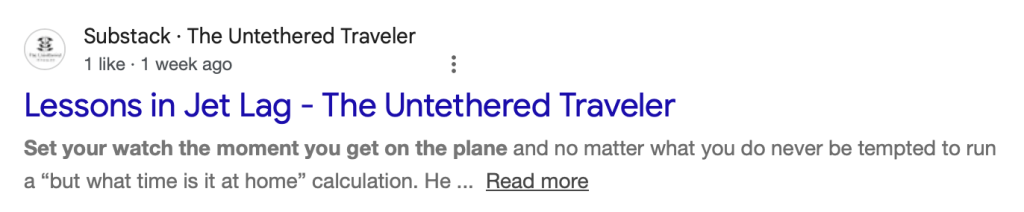
Beyond traditional text newsletters, the platform supports native audio and video hosting, real-time community chat features, and short-form publishing feeds. This multi-format approach allows travel writers to share hyper-local city guides, niche itineraries, and unfiltered travel essays without needing to build complex technical infrastructure. Because the platform combines email distribution and website publishing into a single tool, creators can bypass the need for separate web hosting, site design, or search engine optimization configurations. Posts are indexed by search engines automatically the moment they are published.
To understand how the platform compares to other digital spaces, recent testing involved launching new accounts across multiple platforms simultaneously with zero initial followers. Publishing identical travel content on a consistent schedule revealed that the newsletter-based network generated noticeably higher initial engagement compared to traditional social media timelines, highlighting the responsiveness of its built-in community.
Representatives from the platform emphasize that success relies heavily on authenticity, distinct personal voice, and curated insights rather than generic, search-driven listicles. Creators who focus on specialized guides and personal essays tend to perform best. Maintaining a consistent publishing schedule, such as a weekly cadence, is frequently recommended as an effective benchmark for growth. Furthermore, collaborative features such as joint live videos, guest posts, and writer recommendations allow creators to cross-pollinate audiences effectively. Built-in translation tools also enable readers to automatically translate English content into numerous languages, expanding global reach without requiring extra effort from the author.
Experienced travel creators who use the platform daily suggest viewing it as an addition to, rather than a replacement for, an existing travel blog. Timely content, such as destination updates, real-time travel advice, and niche deals, often thrives in a newsletter format, whereas evergreen guides remain effective on traditional blogs. Creators frequently link between both channels to drive traffic in opposite directions, reinforcing their overall digital presence.
Financially, the platform is free to use for reading and basic publishing. Monetization occurs when a reader chooses to purchase a paid subscription. The platform retains a standard percentage of subscription revenue alongside processing fees, leaving the majority of earnings with the creator. Additionally, travel writers frequently incorporate affiliate links into their posts to generate supplementary income. Because affiliate transactions occur externally on merchant websites, creators receive those commissions in full alongside their subscription earnings. These monetization streams often complement each other, as detailed, specific travel recommendations naturally drive both reader subscriptions and booking conversions.
For travel writers deciding whether to start, the platform offers a compelling avenue whether they are launching a new project from scratch or looking to monetize an existing audience. By prioritizing personal voice and direct reader relationships over high-volume content mills, creators can establish sustainable independent publications without the need for extensive production budgets or large teams.