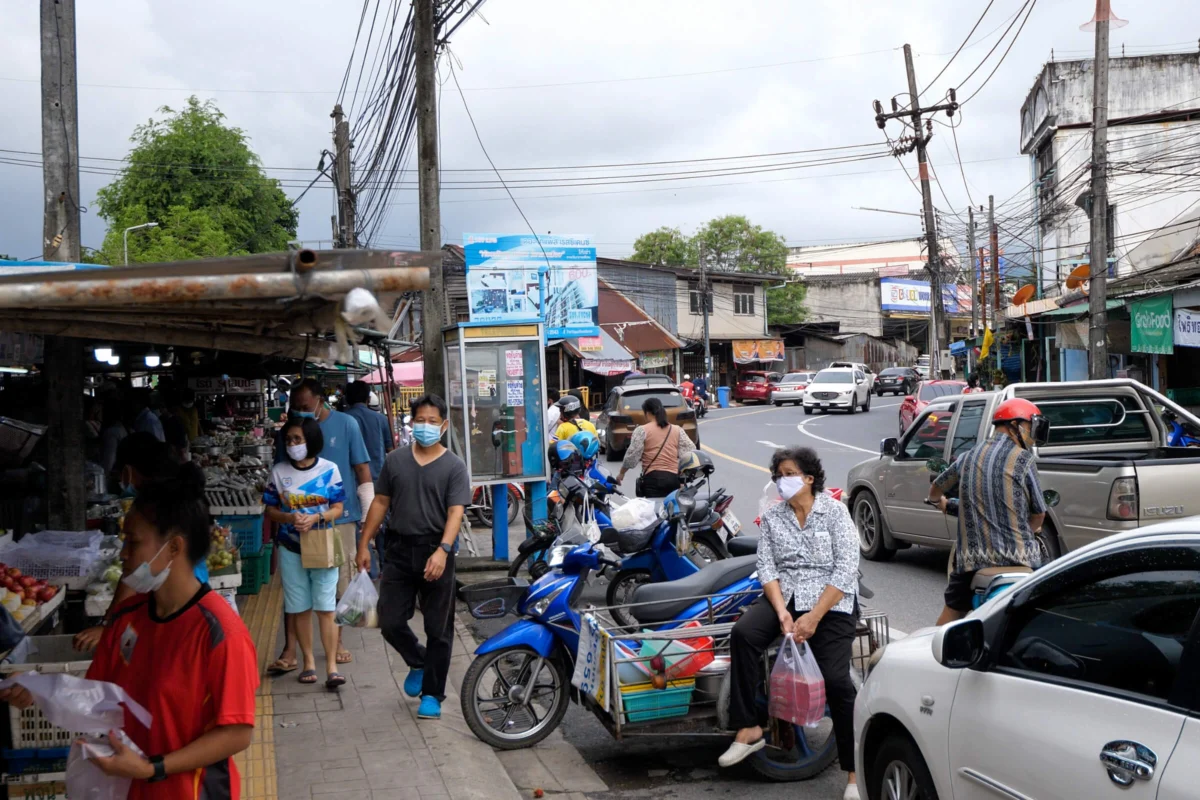
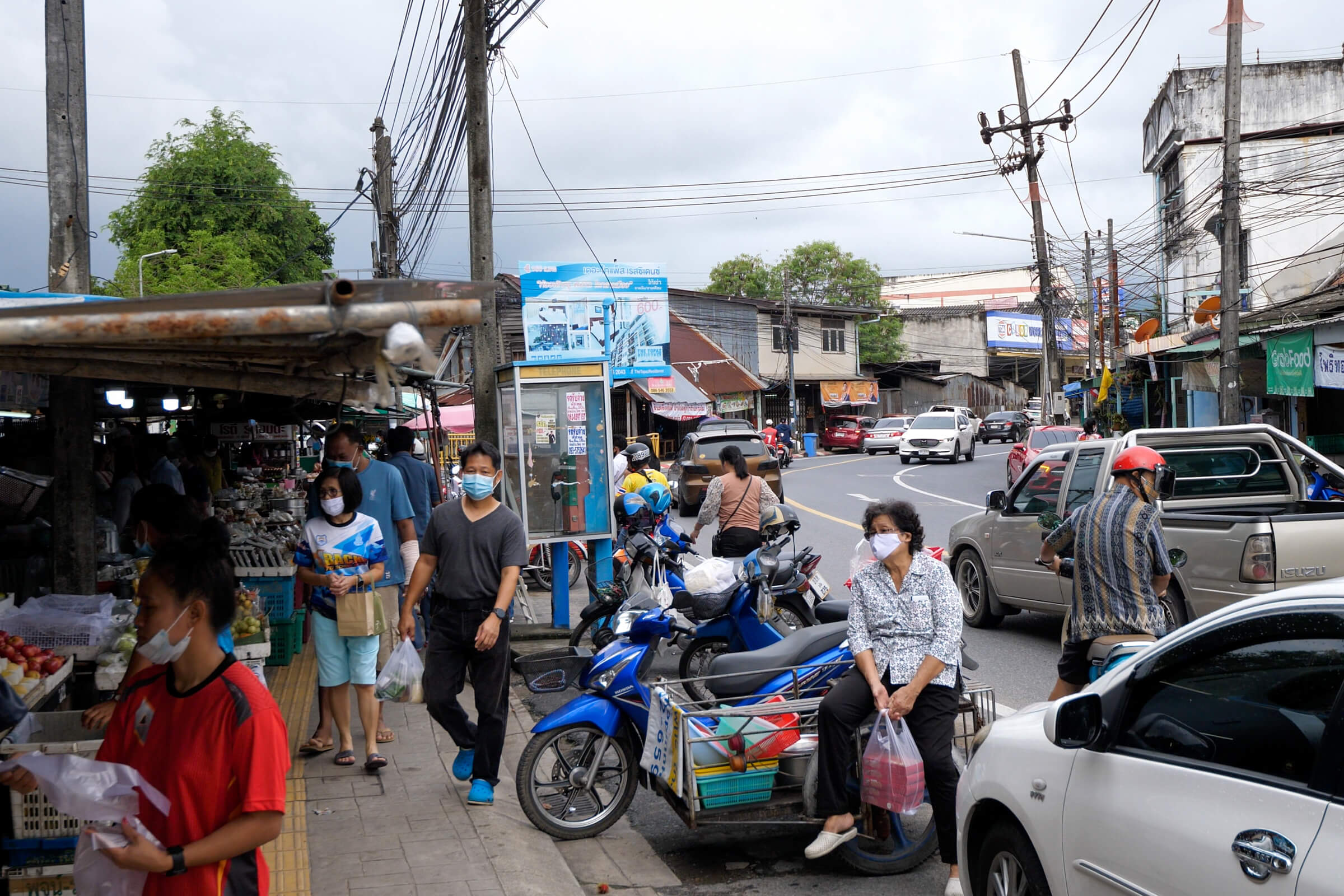
Nestled within the vibrant streets of Phuket Town, the Cham Cha Market serves as a bustling cultural and gastronomic anchor for the local community. While visitors navigating the market will encounter traditional stalls brimming with fresh tropical fruits, raw produce, and essential cooking supplies, the true heartbeat of Cham Cha lies in its dynamic, unpretentious food court. This communal space offers a welcoming, deeply local environment where patrons can immerse themselves in the rich heritage of Thai-Chinese cuisine, with a particular emphasis on unique regional specialties native to Phuket.
For culinary enthusiasts and travelers looking to experience the authentic flavors of the island beyond the standard tourist itineraries, Cham Cha Market presents an ideal destination. The market encapsulates generations of culinary tradition, blending Southern Thai influences with Teochew Chinese heritage. To fully appreciate the depth of flavors available within this local hub, a closer examination of five standout food offerings highlights the craftsmanship, history, and distinct tastes that define Phuket’s street food culture.
1. Mee Hoon Pa Chang: Soy Sauce Vermicelli and Pork Bone Soup
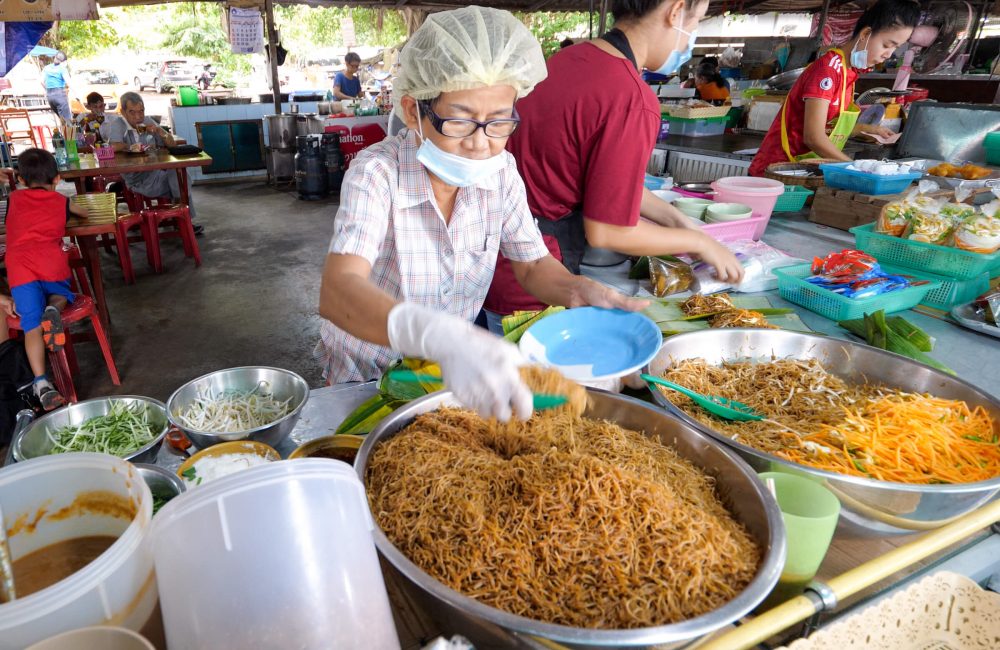
Among the most celebrated fixtures within the Thai-Chinese food court at Cham Cha Market is the stall operated by Mee Hoon Pa Chang. This vendor specializes in a comforting, time-tested combination: a steaming plate of soy sauce-fried thin rice vermicelli paired with a deeply savory pork bone soup.
Upon approaching the stall, visitors are immediately greeted by large, well-seasoned pans of noodles positioned prominently at the front. The preparation is swift and theatrical; as soon as an order is placed, the vendor portions the noodles directly into a bowl, generously finishing the dish with a handful of freshly chopped chives and aromatic crispy shallots. Diners are encouraged to customize the flavor profile to their personal preference using the condiments provided at the table, typically featuring vinegar and dried chili flakes.
For those wishing to partake in a traditional local dining ritual, veterans of the market recommend pairing the signature soy sauce vermicelli—locally known as mee hoon—with a couple of fresh Teochew spring rolls. Concluding the meal with a cooling dessert rounds out the experience, capturing the essence of everyday comfort food in Phuket Town.
2. Laa Rong Fresh Spring Rolls: Traditional Teochew Popiah
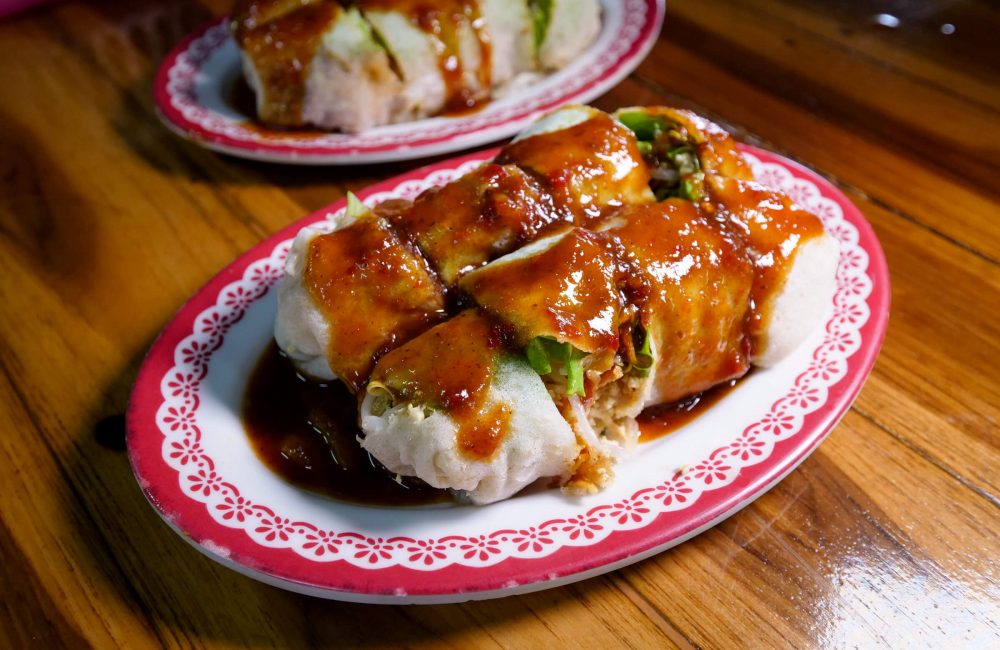
Just steps away, Laa Rong Fresh Spring Rolls stands as one of the most popular and frequented food stalls within the market. Specializing in traditional Chinese Teochew fresh spring rolls, locally referred to as popiah, the stall draws a steady stream of patrons eager to sample its meticulously crafted rolls.
The appeal of the dish lies in its balance of textures and flavors. Each roll is carefully packed with a wholesome filling consisting of finely shredded jicama, crisp bean sprouts, fresh lettuce, and savory barbecue pork. The entire assembly is then generously coated in a rich, flavorful sauce that shares flavor profiles with hoisin, adding a sweet and savory depth to every bite. For diners who prefer a touch of heat, the stall operators readily accommodate requests for extra spice by providing an additional house-made chili sauce. Beyond the food itself, the welcoming demeanor and genuine hospitality of the owners contribute significantly to the stall’s enduring popularity among both regular residents and curious visitors.
3. Lo Bah Jee Kuy: A Tradition of Braised and Deep-Fried Meats
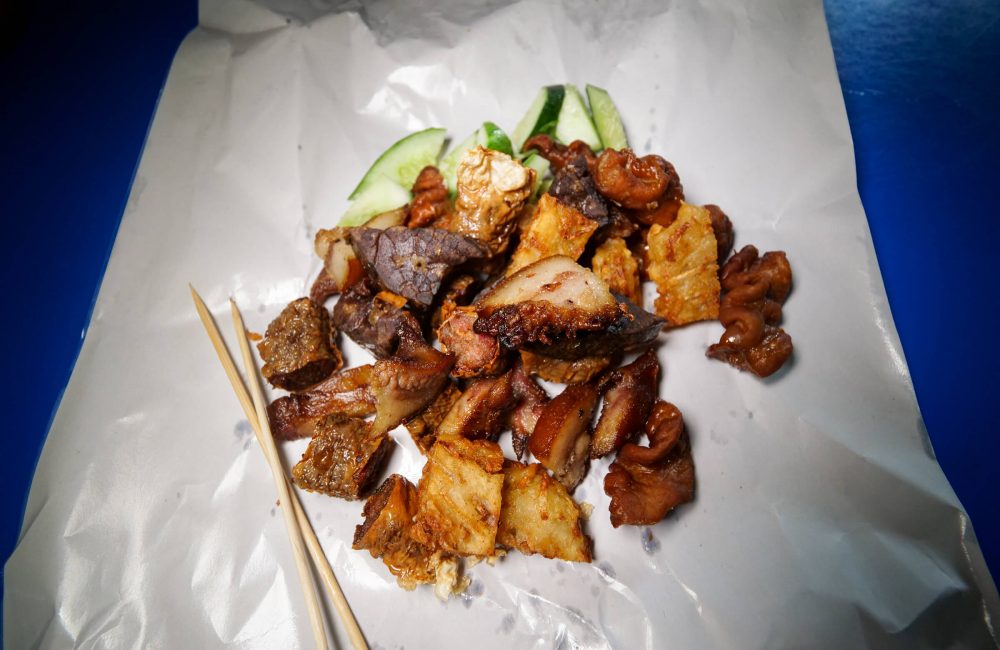
For those with a penchant for savory, meat-forward dishes, Lo Bah Jee Kuy offers an authentic taste of a traditional Thai-Chinese snack that holds a beloved place in Phuket’s culinary landscape. Lo Bah consists of an assortment of marinated and braised pork organs and specialized sausages.
The preparation method is both intricate and dynamic. The selection of ingredients typically includes a variety of cuts such as intestines, lungs, and heart, alongside select specialty sausages and occasionally tofu. Once braised to absorb the complex spices and marinades, the ingredients are chopped into convenient, bite-sized pieces and deep-fried to order, ensuring a crisp exterior while retaining the rich flavors within.
The dish is traditionally served with a sweet dipping sauce designed to complement the robust flavor of the pork, accompanied by fresh slices of cucumber to provide a refreshing, crisp contrast. Diners use a small wooden skewer to sample the assortment, navigating the diverse textures and flavors that make this stall a definitive destination for adventurous eaters visiting Cham Cha Market.
4. O-aew Chamcha Market: Phuket’s Signature Shaved Ice Dessert
After partaking in savory noodles, fresh spring rolls, and seasoned meats, patrons at Cham Cha Market often seek a sweet and cooling reprieve. The market provides just that through its dedicated O-aew stall, offering a dessert that is uniquely indigenous to Phuket.
O-aew is a traditional shaved ice specialty that features a foundation of soft, gelatinous herbal jelly sitting at the bottom of the bowl. This is piled high with finely crushed ice and finished with a generous drizzle of sweet syrup. The resulting dessert is remarkably refreshing, making it an essential conclusion to a heavy meal in the tropical climate of Southern Thailand. True to the atmosphere of the market, the service at the O-aew stall is characterized by friendly, community-oriented hospitality.
5. Cham Cha Market Fried Bananas: A Crispy Local Phenomenon
While deep-fried bananas are a ubiquitous street food staple found throughout the entirety of Thailand, the small stall situated just opposite the main grounds of Cham Cha Market has earned a reputation for producing one of the finest iterations in the entire country.
The distinction lies primarily in the batter, which features a carefully calibrated blend of coconut and sesame seeds. This specialized mixture achieves an ideal structural ratio, yielding a remarkably crispy exterior shell while maintaining the natural sweetness and tender texture of the banana inside.
Furthermore, the stall’s offerings extend beyond standard bananas depending on the agricultural calendar. During peak harvest seasons, their deep-fried cempedak, locally known as jambada tod, is regarded by local connoisseurs as an exceptional seasonal delicacy. The quality of the preparation is such that it routinely attracts dedicated lines of local residents waiting to secure their share of the freshly fried treats.