
According to a comprehensive industry study released by Impact, artificial intelligence has achieved near-universal integration among digital creators, with 96 percent incorporating AI-powered tools into their daily workflows. While the same research indicates that many modern marketers feel a sense of professional pressure driven by this widespread adoption, industry experts emphasize that the technological shift also unlocks unprecedented opportunities for workflow optimization, revenue scaling, and audience engagement.

The rapid maturation of artificial intelligence has moved far beyond basic text generation, reshaping nearly every vertical of digital commerce. For professionals navigating the competitive landscape of affiliate marketing, modern AI applications span across a broad spectrum of specialized tasks, including search engine optimization, conversational messaging automation, customer relationship management, digital design, and automated revenue monetization.
Industry analysts point out that while general-purpose chatbots remain foundational for daily brainstorming and content drafting, specialized software solutions have emerged as critical infrastructure for serious digital enterprises. Platforms such as Surfer SEO provide data-driven insights for search visibility, while automation tools like Manychat bridge the gap between social media platforms and direct consumer communication channels. Similarly, specialized ecosystem tools like Travelpayouts Drive enable automated content monetization, allowing digital publishers to seamlessly scale their revenue generation without adding manual friction to the user experience.
The Evolving Landscape of AI Applications
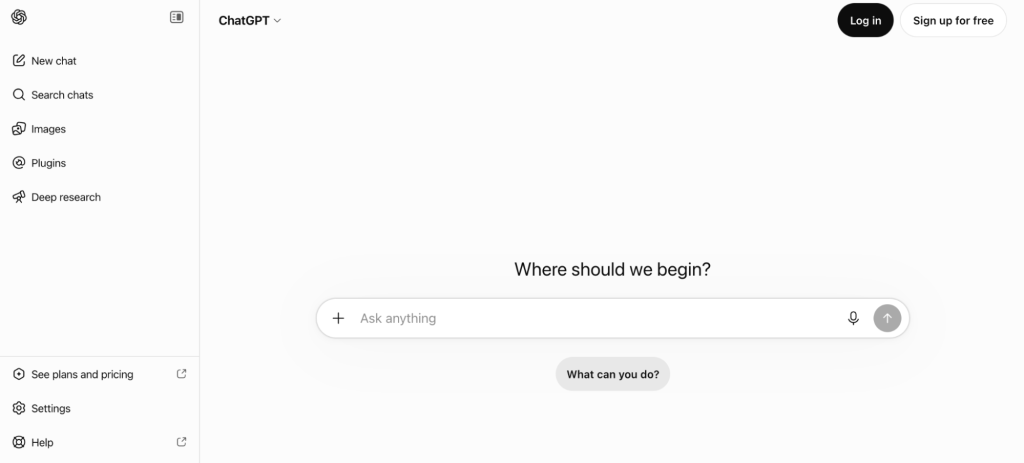
Among the leading solutions utilized by digital professionals, ChatGPT remains one of the most widely adopted general-purpose utilities. Developed by OpenAI, the platform serves as a versatile assistant for keyword exploration, content outlining, and market research synthesis. Marketers frequently leverage its robust web search, image generation, and multi-tool integration capabilities to streamline their operational output. Although its accessibility and free tier make it a primary entry point for beginners, advanced users often transition to paid tiers to unlock extended memory, custom models, and specialized workflows.
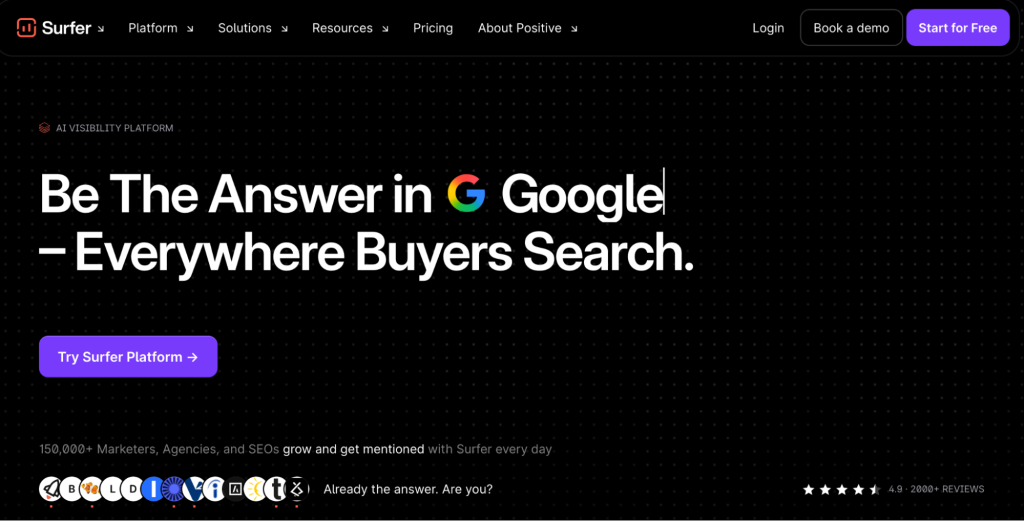
In the realm of search engine optimization, specialized platforms like Surfer SEO have redefined how publishers approach digital visibility. By offering granular SEO audits, competitive monitoring, and data-backed content optimization suggestions, these tools help creators ensure their material ranks effectively across traditional search engines and emerging AI-driven discovery platforms. While typically operating on subscription models without permanent free tiers, their targeted focus on organic traffic acquisition makes them indispensable for content-driven businesses.

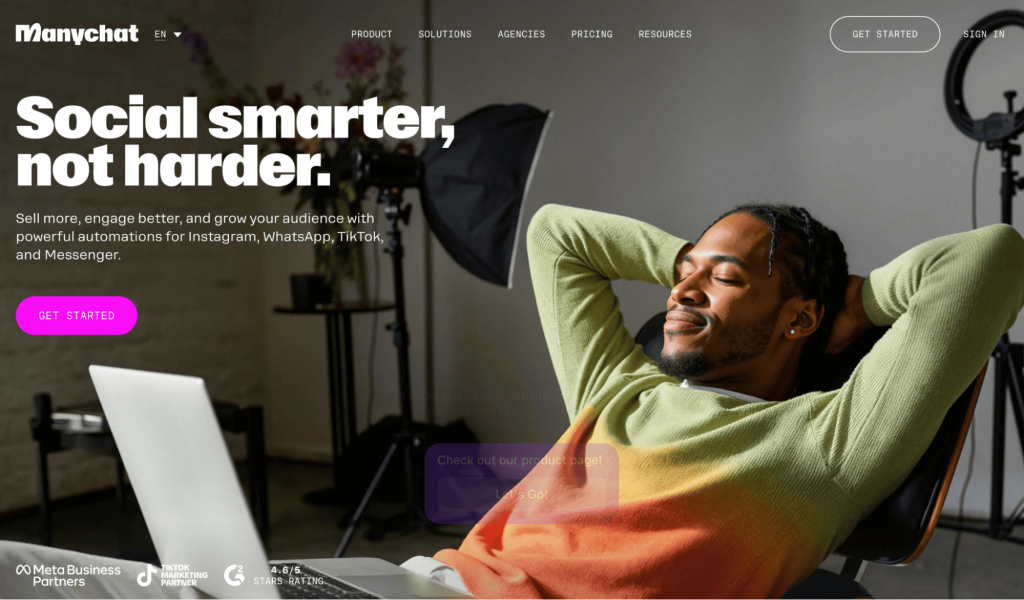
Conversational marketing has likewise undergone a major transformation through automation platforms like Manychat. By facilitating direct message and comment automation across major social networks such as Instagram and TikTok, creators can nurture audiences and drive traffic to external conversion points, such as email newsletters, with minimal manual intervention. Industry practitioners note that such automation plays a critical role in bridging social media engagement with long-term audience retention strategies.
Creators often highlight the tangible impact of these integrations on their daily operations. Digital publisher Jessie, who utilizes automated messaging bridges between social channels and subscriber lists, emphasizes that strategic automation consistently drives subscriber growth through recurring promotional campaigns. However, creators also stress that while automation handles repetitive administrative tasks, the core relationship between publisher and audience relies heavily on authenticity and personal expertise.

Balancing Automation with Human Authenticity
As AI adoption reaches maturity, industry leaders frequently debate the boundary between operational efficiency and audience trust. While automated systems can rapidly process general information, format data, and generate initial drafts, seasoned marketers argue that artificial intelligence cannot replicate genuine personal experience. Authentic recommendations, built through consistent interaction and verified personal use, remain the cornerstone of successful audience relationships, particularly within highly competitive niches.
Consequently, modern affiliate marketing strategies increasingly favor a hybrid approach. Rather than outsourcing entire content creation pipelines to automated tools, successful professionals utilize technology for targeted, lower-stakes tasks. These include initial keyword ideation, structuring content outlines, performing competitor analysis, and accelerating routine administrative workflows. This division of labor allows creators to dedicate more time to high-value endeavors, such as firsthand product testing, community interaction, and specialized content production.
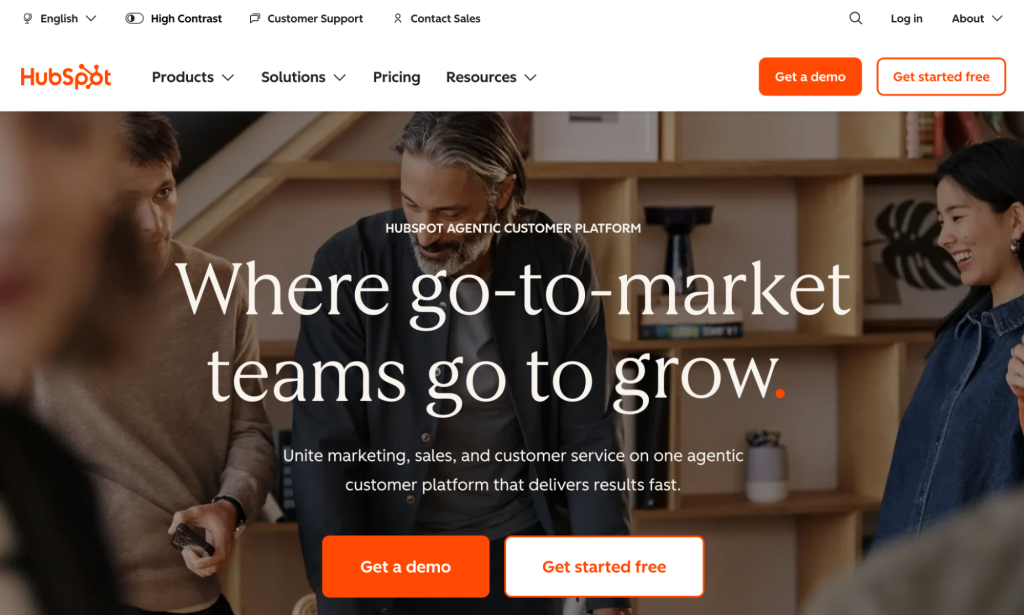
Furthermore, specialized tools continue to address specific monetization and outreach challenges. Enterprise platforms like HubSpot integrate customer relationship management with email marketing and campaign automation, enabling businesses to manage client bases and advertising campaigns within unified environments. Meanwhile, content monetization systems designed specifically for travel creators, such as Travelpayouts Drive, automate contextual linking and targeted offer placement, allowing publishers to maximize earnings from existing traffic without disrupting the user experience.
Navigating the Future of Digital Commerce
The continuous expansion of artificial intelligence in affiliate marketing underscores a broader evolution in digital business operations. As the market matures, the differentiation between successful campaigns and generic output increasingly depends on strategic implementation rather than tool adoption alone. Professionals who successfully balance technological efficiency with human insight are better positioned to navigate industry pressures, optimize their promotional strategies, and sustain long-term growth in an increasingly competitive digital economy.