As Southwest Airlines continues its multi-year business transformation into a hybrid carrier that increasingly mirrors legacy network airlines rather than traditional low-cost operators, the carrier’s upcoming launch of its first-ever branded airport lounges is among the most closely watched developments in the commercial aviation sector. For more than half a century, Southwest maintained a strict "no lounges" policy, a foundational pillar of its low-cost model designed to keep overhead low and airfares affordable for everyday travelers. By sitting on the sidelines of the premium airport club ecosystem, the airline allowed its passengers to rely on independent spaces or credit card-driven rewards networks. However, that era is coming to a close.
Yet, as executives map out the rollout of the inaugural "Southwest Icon" lounges slated to open their doors in late 2027, aviation analysts and loyal customers alike have quickly noted a glaring omission. Despite moving an astonishing 17.2 million passengers through Phoenix Sky Harbor International Airport (PHX) in 2025 alone—representing a significant portion of the airport’s total traffic—Phoenix did not make the cut for the first wave of cities. Instead, Southwest has chosen Austin, Baltimore/Washington, Honolulu, and Nashville to cut the ribbons on its inaugural airport lounge network.
The decision to bypass Phoenix, one of the most vital hubs in the carrier’s domestic route map, comes down to existing infrastructure constraints, terminal real estate limitations, and a clever pre-existing partnership with JPMorgan Chase. Rather than a lack of demand or passenger volume, the complex web of terminal space at Sky Harbor explains why Southwest is taking a different approach in the Grand Canyon State.

Chase Got There First
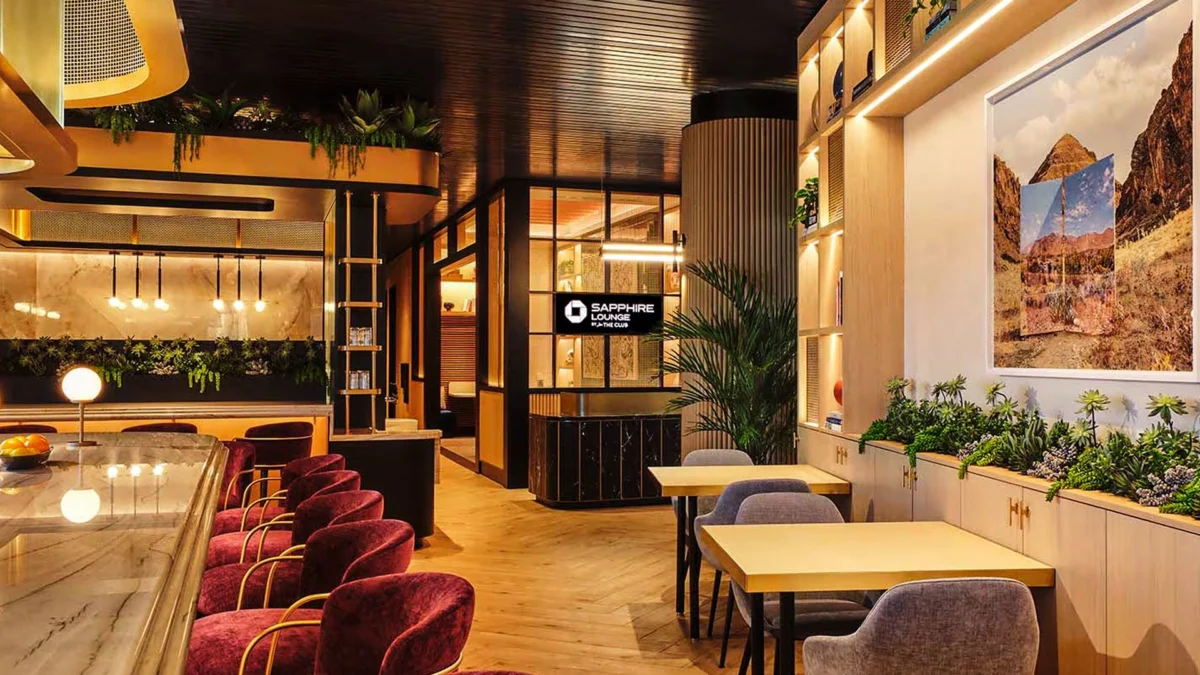
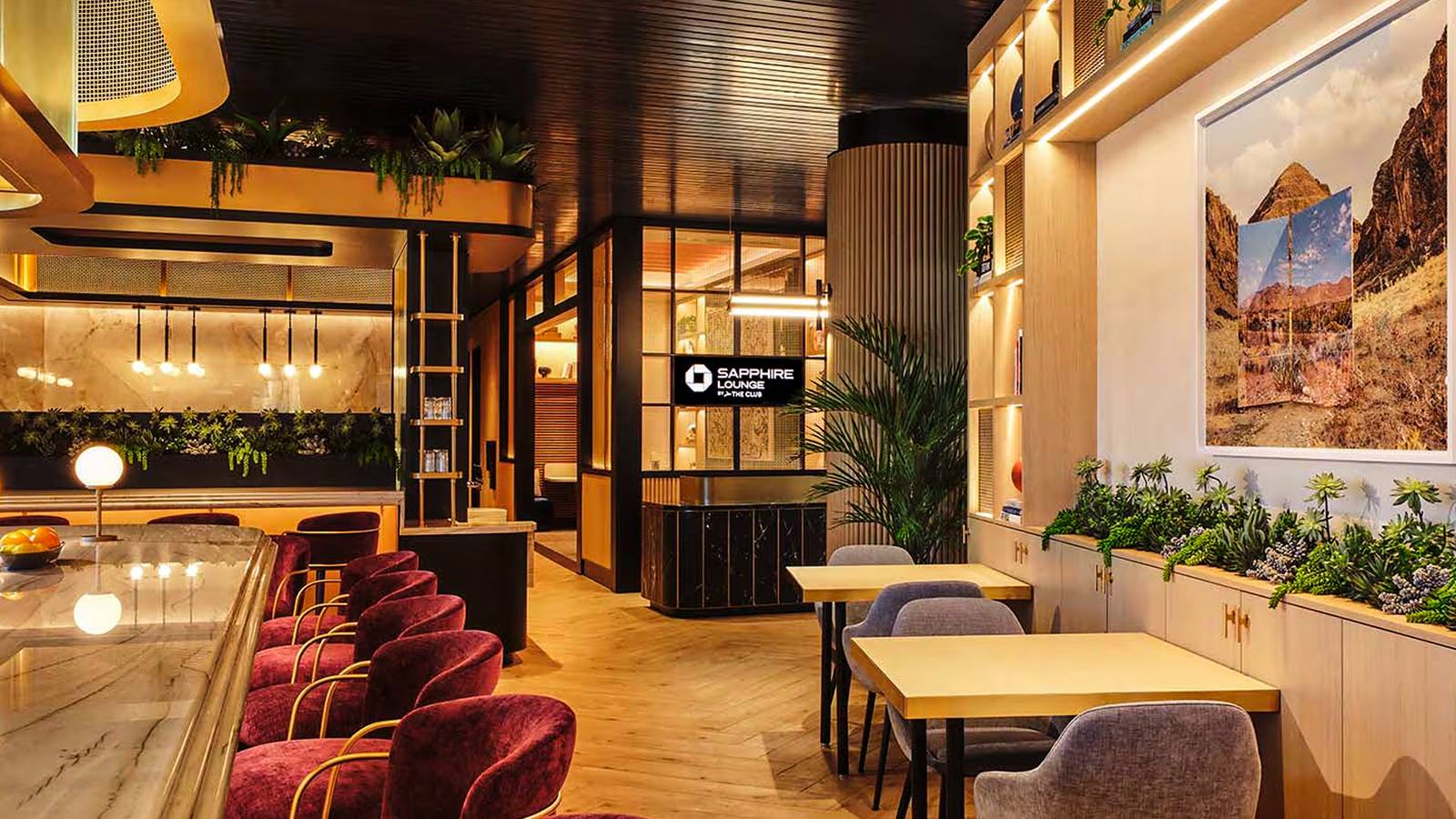
The foundational piece of the puzzle in Phoenix is the JPMorgan Chase Sapphire Lounge by The Club, which opened its doors in late 2024 and immediately established a working relationship that aligns closely with Southwest’s broader strategic goals. Located in Terminal 4’s South 1 Concourse, the lounge sits within an eight-gate wing of Sky Harbor that Southwest heavily utilizes as an operational base. Because the concourse is also within a short, manageable walk for passengers flying out of adjacent spaces, the lounge conveniently serves not only Southwest flyers but also travelers flying on American Airlines, which shares dominance at the airport.

Measuring just over 3,500 square feet with a modest seating capacity of 78 people upon its debut, the Phoenix location was designed by architecture and design firm Corgan to reflect regional aesthetics while incorporating a striking, highly unusual centerpiece: a fully restored 1963 Airstream trailer. Built off-site within Arizona, the vintage trailer had to be carefully lifted into the terminal by a crane during the narrow window between the last flight of the evening and the first departure of the morning. Because crews rolled the trailer into place overnight, passengers were never greeted by construction disruption. Today, the trailer serves as a standout feature on a patio facing the bustling concourse.
This existing real estate serves as an immediate proof of concept for how Southwest and Chase can collaborate. Rather than breaking ground on an entirely new, standalone facility from scratch, the pre-existing Chase location provides a high-end aviation hub for cardholders. Furthermore, Southwest’s upcoming lounges are being developed explicitly in partnership with Chase, drawing heavy design and operational inspiration from the Sapphire Lounge network. With Southwest confirming in recent corporate earnings reports that it plans to expand the Icon lounge network to at least 11 total locations over the coming years, industry observers widely speculate that Phoenix remains a prime candidate for a subsequent wave of development.

Phoenix Is Big For Southwest
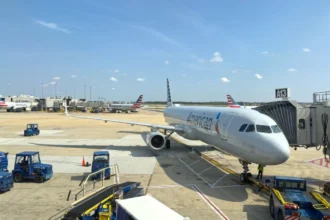
Phoenix Sky Harbor International Airport operates largely as a two-tenant powerhouse, dominated primarily by American Airlines and Southwest Airlines. Traffic data compiled by aviation observers highlights the sheer scale of operations at the airport, which handled more than 51.6 million total passengers in 2025. American Airlines led the market with roughly 20.89 million passengers, giving the carrier a 40.5% market share, while Southwest closely followed with 17.2 million passengers, capturing a 33.3% share. Together, the two major carriers account for nearly three-quarters of all passenger movements through Sky Harbor.
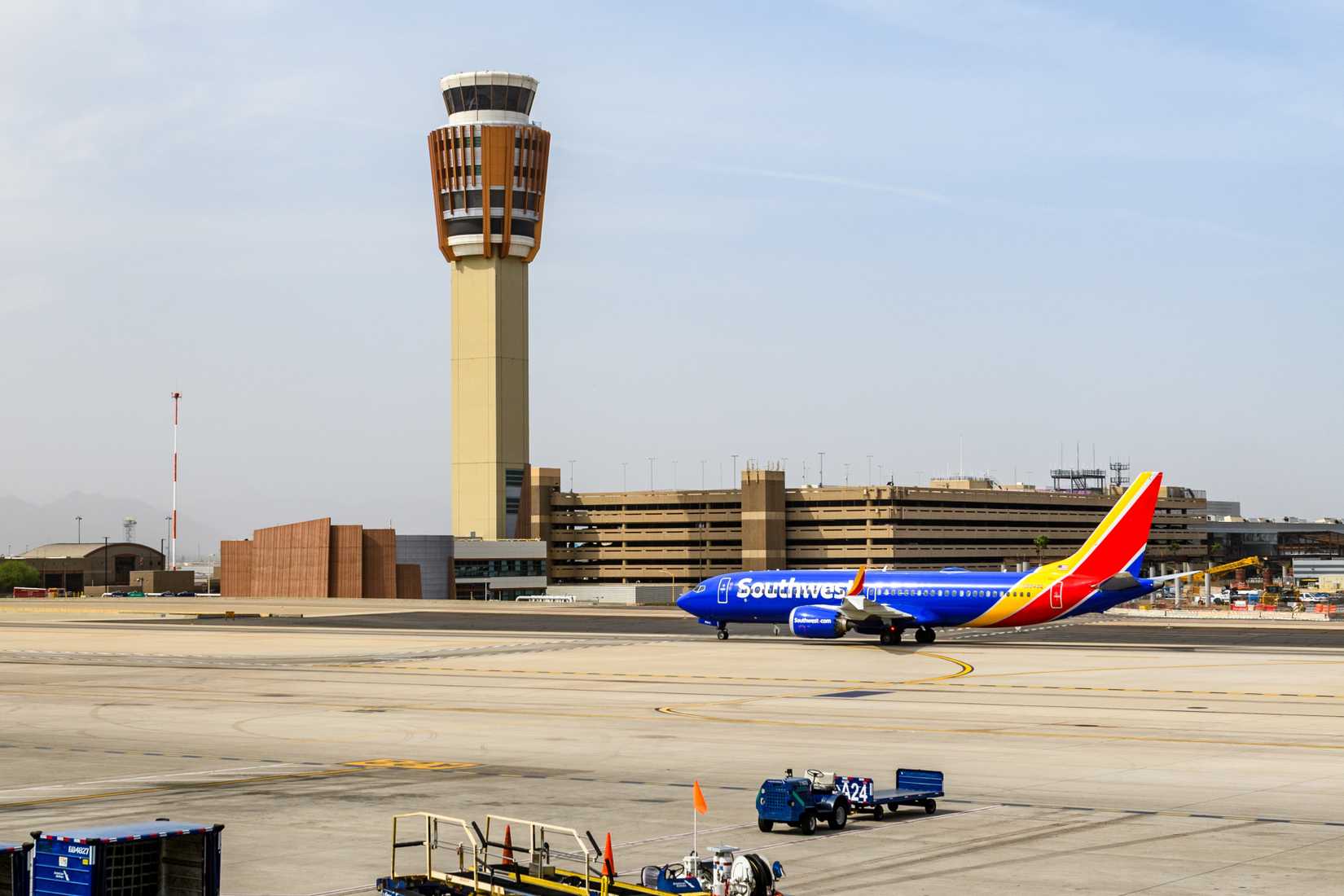
When broken down further across other carriers operating at PHX, Delta Air Lines held 7.1% of the market with 3.66 million passengers, followed by United Airlines with 6.2% and 3.22 million passengers. Frontier Airlines captured 4.5% of the market, Alaska Airlines accounted for 3.4%, and international carrier WestJet held 0.9%. Smaller market shares were divided among JetBlue Airways, Air Canada, and Sun Country, rounding out a heavily consolidated airport ecosystem.
With millions of passengers passing through the airport every year—many of them connecting passengers with layovers lasting an hour or more—the demographic conditions for an airport lounge are exceptionally strong. Southwest ferries a massive volume of connecting traffic through Phoenix daily, making the lack of an in-house lounge a notable gap in the customer experience. Executives have acknowledged that the upcoming lounges represent a strategic investment in the Rapid Rewards loyalty program, designed to deepen a three-decade partnership with Chase by giving frequent flyers a physical touchpoint that embodies the Southwest brand of hospitality.
The Lounge Filled Up Fast
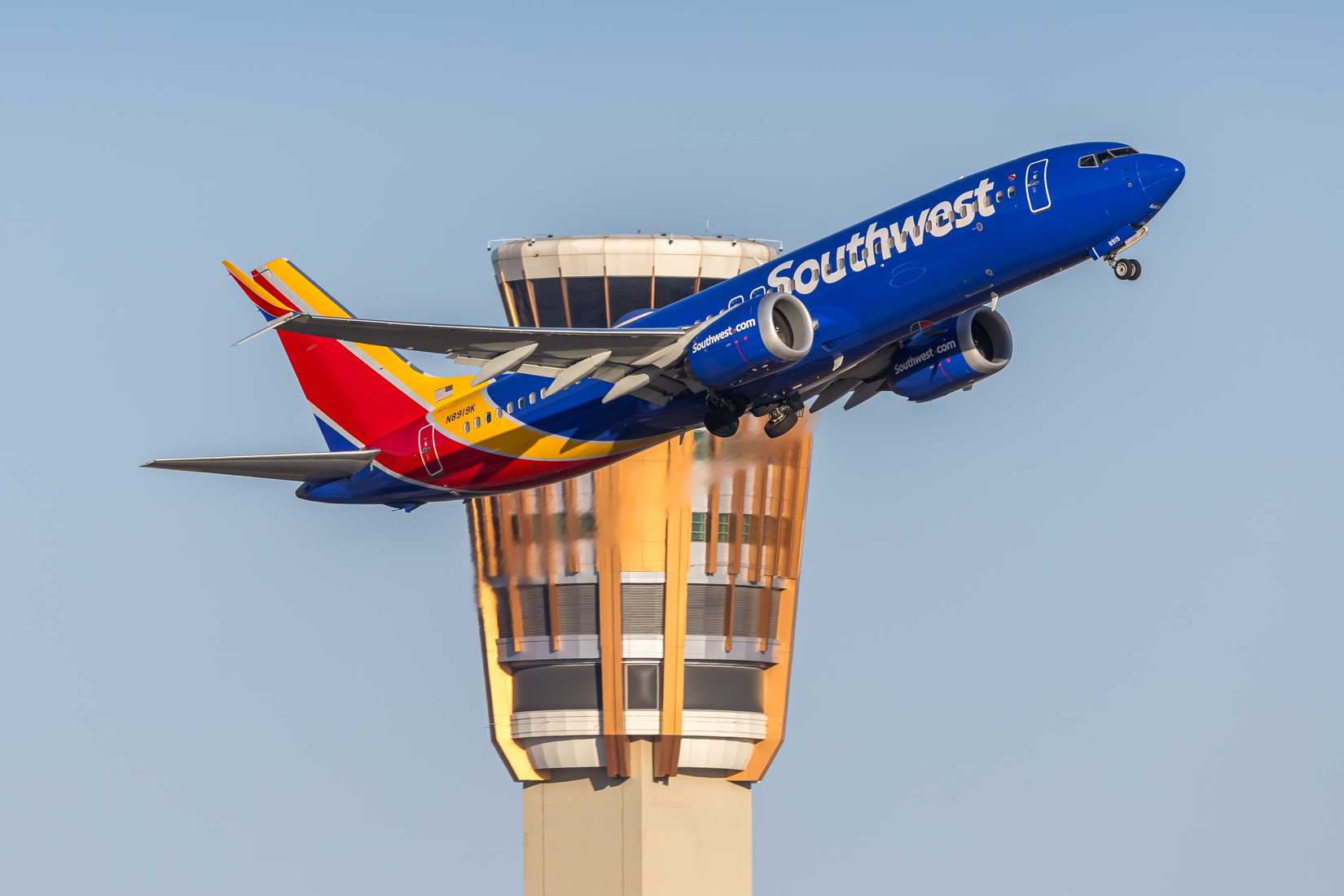
When Chase initially introduced the Sapphire Lounge in Terminal 4 in November 2024, its compact 3,500-square-foot footprint meant it was visually striking but quickly overwhelmed by overwhelming demand. The space was met with heavy crowding, long waitlists, and high traveler interest, prompting Chase to implement an advance reservation system by June 2025—a unique feature not offered at any other Sapphire Lounge across the broader national network.

To cope with the unrelenting traffic, Chase undertook a major physical expansion project that concluded in September, absorbing neighboring terminal real estate to dramatically increase seating capacity and flood the interior with more natural light. Alongside the physical expansion, Chase moved to restrict access in a strategic shift that foreshadows how entry rules will evolve when Southwest’s updated Rapid Rewards premium credit card launches. General Priority Pass members were phased out of the lounge, and the advance reservation system was retired. By turning away general airport travelers and expanding the physical footprint, Chase spent the past year optimizing the facility specifically for high-tier cardholders, paving the way for a more integrated partnership experience.
Chase Is A Partner, Not A Rival

Bank-operated lounges were once viewed by major airlines as competitive threats that siphoned off premium travelers and lucrative credit card business from proprietary airline clubs. Today, however, third-party and co-branded bank lounges are increasingly seen as assets that enhance the overall appeal of an airline hub without requiring the carrier to shoulder the capital expenditure of building and operating the facility directly. In Phoenix, this dynamic benefits both American Airlines and Southwest Airlines, as their respective travelers can access the premium space without either airline taking on direct real estate responsibilities.
A traveler sitting in the lounge while holding a premium Chase card is, first and foremost, a high-value customer for the bank, while Southwest’s upcoming co-branded premium credit card is designed to place the airline at the center of that spending behavior. While Southwest’s upcoming Icon Lounges are modeled on Chase Sapphire network standards, industry analysts note that airlines typically avoid positioning their proprietary branded lounges directly adjacent to or competing within the exact same terminal space as an established bank lounge of the same lineage.

Such traffic deconfliction strategies help explain why certain high-traffic hubs like LaGuardia, Las Vegas, and Phoenix require careful planning. Among these, Phoenix is viewed as having fewer conflicts due to the sprawling nature of Southwest’s gates and the relatively contained size of the existing Chase space. Consequently, the primary barrier to a Southwest-branded lounge in Phoenix is not the presence of Chase, but rather the practical challenge of identifying available terminal real estate capable of supporting a brand-new club.
Where A Southwest Lounge Could Go
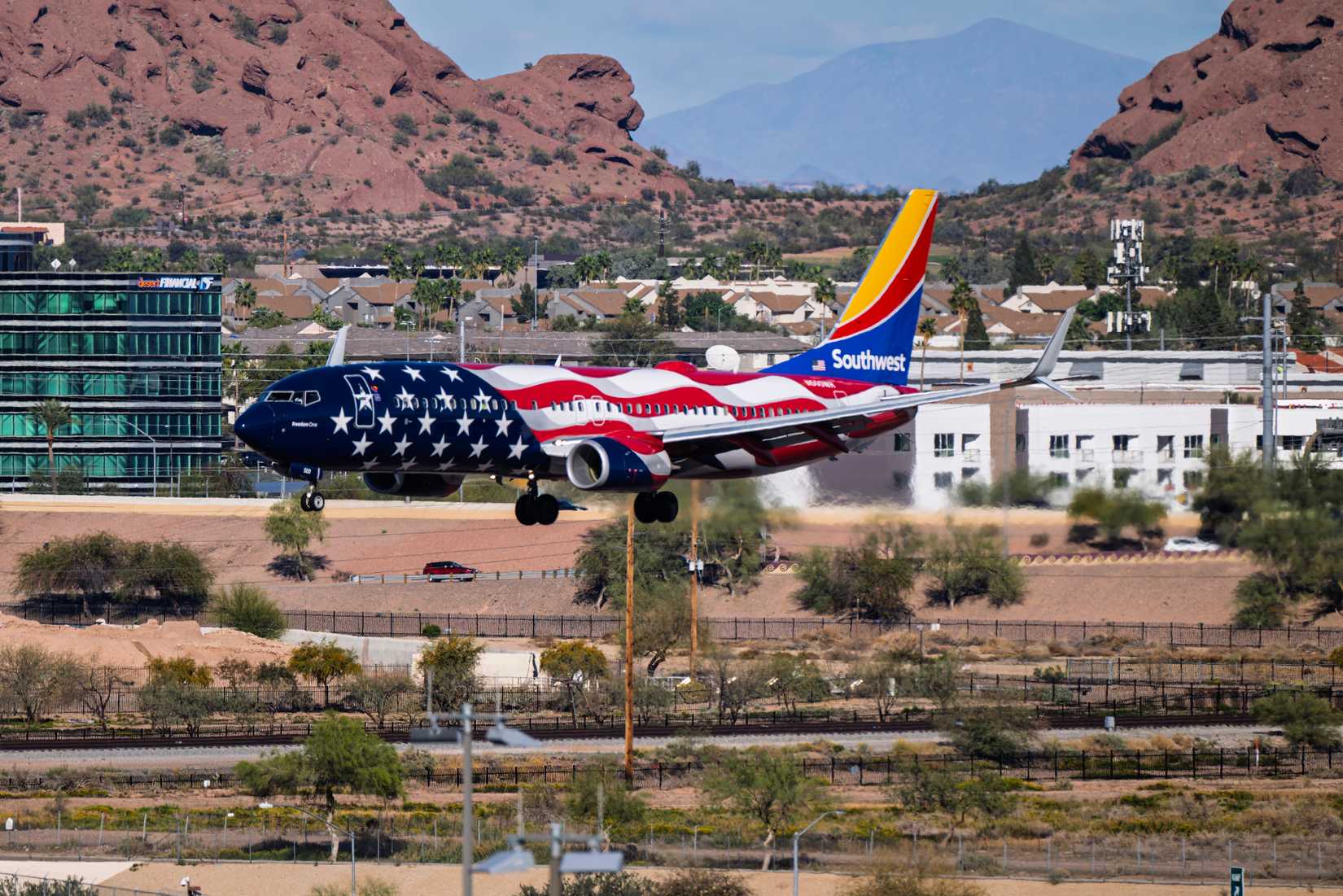
Finding viable real estate within Southwest’s core operating bases remains a persistent challenge for the airline’s real estate development teams. Major hubs such as Houston Hobby, Chicago Midway, Las Vegas, and Phoenix all boast heavy passenger volumes that easily justify lounge investments, but securing available square footage near the carrier’s boarding gates is a complicated endeavor. Chicago Midway functions almost entirely as a Southwest stronghold, yet it offers very little obvious physical space for a large-scale club facility. Similarly, while Las Vegas and Phoenix handle massive passenger numbers, integrating a new lounge into the existing architectural layouts requires extensive coordination with airport authorities.
In Phoenix, ongoing airport development projects have created new spaces, though not always in locations that directly serve Southwest’s operational footprint. The Terminal 3 North concourse project is adding six new gates, 173,000 square feet of terminal space, and a 10,000-square-foot mezzanine-level lounge space, with basic functions expected to come online by 2027. However, Terminal 3 is entirely separate from Terminal 4, and because Sky Harbor’s terminals lack airside post-security connections, a Southwest passenger arriving or departing out of Terminal 4 would be forced to exit security and re-clear checkpoints to access the facility.
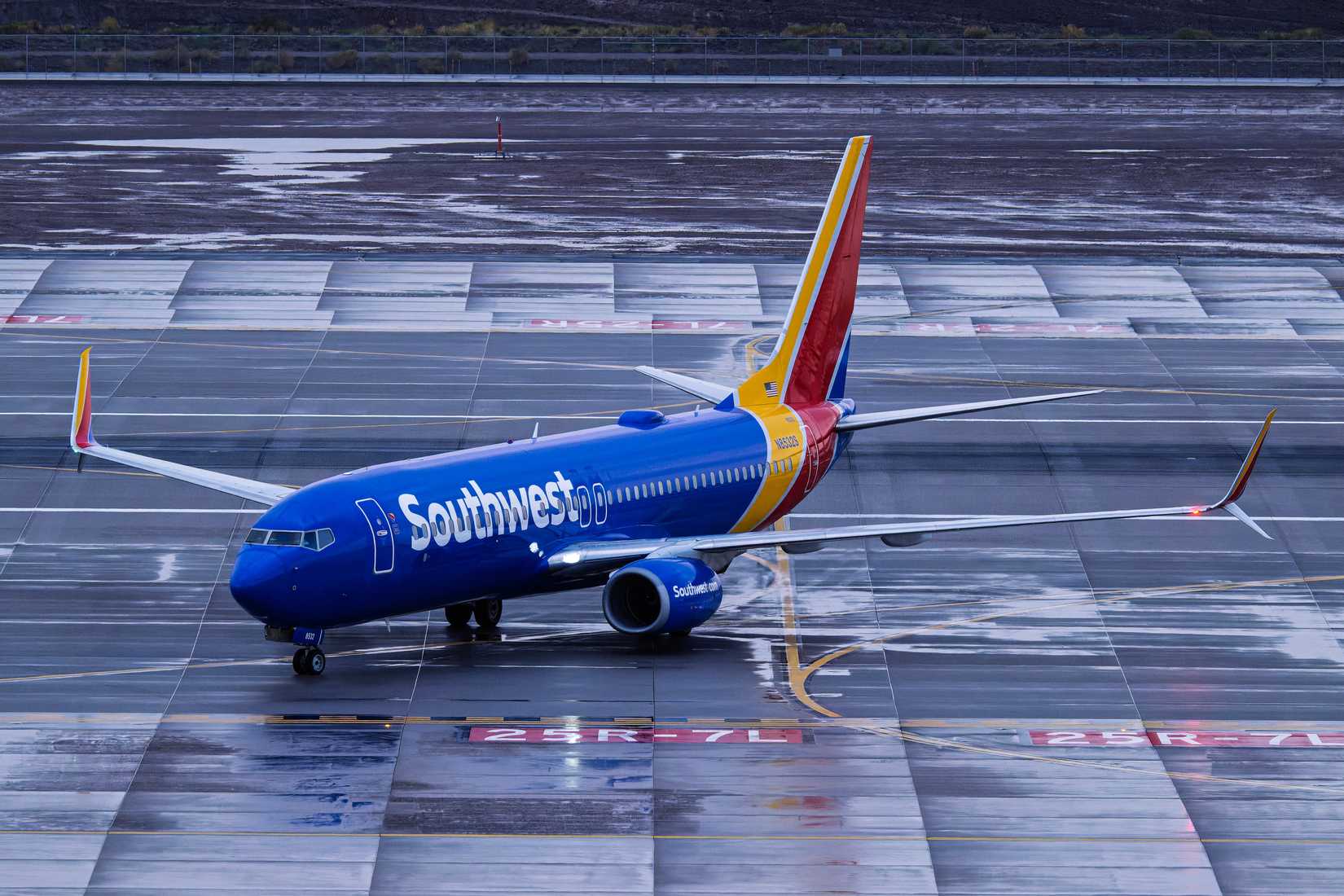
Furthermore, Phoenix Sky Harbor designated American Airlines as the primary tenant for a planned $4.5 billion terminal development slated for future vacant land, though the airport authority has not yet finalized gate allocations or secondary carrier placements. If Southwest ultimately decides to wait for new terminal expansions to accommodate its flagship club design, the arrival of a dedicated Southwest lounge in Phoenix may prove to be a development milestone for the next decade rather than the initial 2027 rollout.