Preparing for a first-time backpacking adventure through Southeast Asia can often feel like an overwhelming exercise in logistics. With countless options to consider and a myriad of climates, terrains, and cultural norms to navigate, deciding what to bring requires a careful balance of preparation and restraint. Drawing upon more than a decade of collective travel experience, the South East Asia Backpacker team, alongside contributions from a vast community of seasoned travelers, has outlined the essential strategies needed to master the art of traveling light in the region.
The consensus from veterans of the Southeast Asian trail is clear: less is genuinely more. Travelers frequently make the mistake of overloading their luggage before embarking, only to realize almost immediately upon arrival at their first destination that hauling unnecessary weight severely dampens the sense of freedom that backpacking is meant to provide. To avoid struggling under the sheer weight of an overpacked bag, experts recommend a minimalist approach to clothing, toiletries, and gear.

When planning a wardrobe, travelers are advised to bring significantly fewer clothes than they initially think necessary. A popular travel maxim advises individuals to lay out all the clothes and money they plan to take, then pack half the clothes and bring twice the money. While increasing the budget may not always be practical for every backpacker, slashing the clothing volume certainly is. Because much of Southeast Asia enjoys a warm, tropical climate, garments are generally lightweight, compact, and easy to manage. Furthermore, laundry services are widely available, inexpensive, and efficient across the entire region, meaning there is rarely any need to pack more than a week’s worth of clothing at most.
Travelers are also encouraged to resist the urge to pack months’ worth of toiletries. Basic personal care items such as shampoo, shower gel, and moisturizer do not need to be hauled halfway across the world. Major international brands like Pantene, Dove, and Nivea, alongside local alternatives, are readily available in convenience stores and supermarkets in virtually every town and city in Southeast Asia. Packing industrial-sized bottles only adds dead weight and occupies valuable space that could be better utilized for items that are genuinely difficult to source on the road.
Choosing multi-use items is another cornerstone of efficient packing. By selecting gear that serves more than one purpose, travelers can drastically streamline their inventory. At the same time, prioritizing items that are not readily available locally remains a crucial strategy. While clothes, basic medicines, and everyday toiletries can be purchased anywhere from Bangkok to Bali, certain specialized gear items are harder to find or may lack the quality required for rigorous travel, making it wise to source them prior to departure.
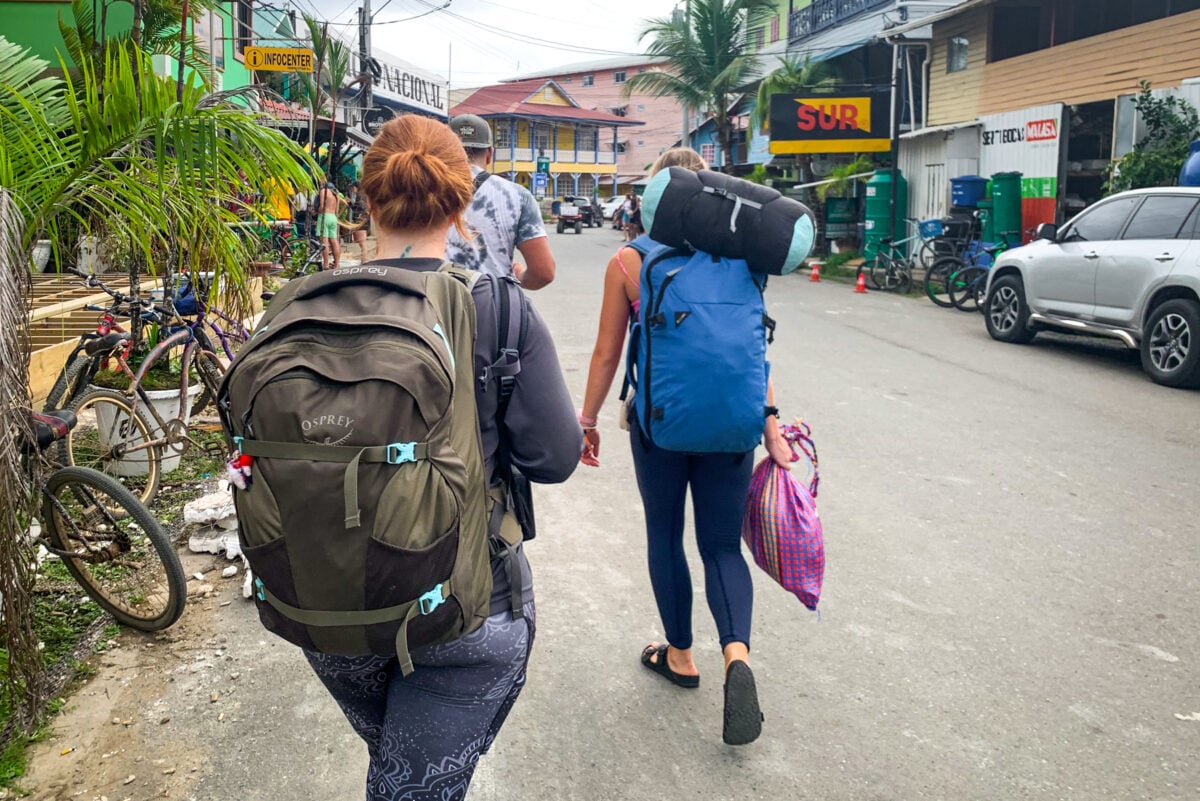
Selecting the right luggage forms the foundation of any successful trip. Experienced backpackers typically advocate for a dual-bag setup consisting of a medium or large backpack to hold the bulk of the luggage, paired with a small daypack to secure valuables and essentials. The larger pack is designed for the luggage hold on buses, trains, and flights, while the daypack remains safely with the traveler at all times.

A tried-and-tested method for carrying this dual setup involves the front-and-back approach. By wearing the small daypack on the chest before donning the main backpack on the back, the straps of the larger pack naturally secure the daypack in place. This prevents the smaller bag from slipping off the shoulders, keeps valuables securely within sight, and leaves the hands completely free to navigate busy transit hubs and crowded streets.
When it comes to clothing, the emphasis remains on lightweight, crease-resistant fabrics that can withstand tropical humidity and frequent washing. Travelers are strongly advised to leave their favorite, delicate, or sentimentally valuable garments at home, as continuous exposure to sunscreen, intense sunlight, rigorous packing, and local laundry cycles will inevitably take a toll. Nightlife and social gatherings throughout Southeast Asia are remarkably casual, meaning elaborate going-out outfits are entirely unnecessary. A simple casual dress for women, along with standard shorts and t-shirts for men, easily suffices for social evenings, usually paired with comfortable flip-flops.
Footwear should be kept to an absolute minimum, with three pairs widely regarded as the optimal maximum. Versatile options that can handle light hiking, urban exploration, and casual strolls will easily cover all travel scenarios, allowing many backpackers to get by with even fewer pairs by relying on comfortable travel sandals.
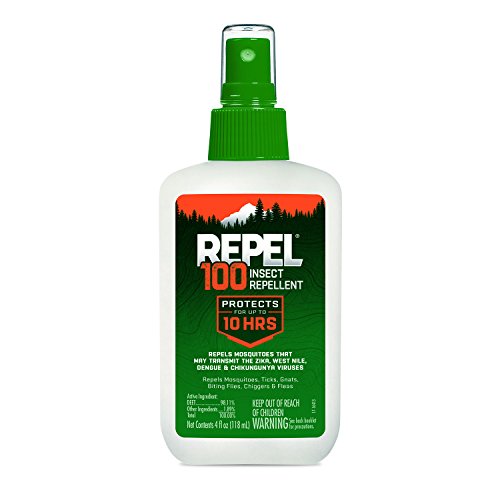
Navigating health, medical supplies, and toiletries requires a pragmatic approach. While travel experts emphasize that they are not medical professionals and recommend consulting a healthcare provider for up-to-date vaccinations and medical advice before departure, the general rule for packing mirrors the rest of the journey. Most everyday medical and toiletry products can be easily replenished at local convenience stores such as 7-Eleven. However, specific specialized medications, reliable insect repellents with high concentrations of active ingredients, and certain personal care items are best purchased at home to ensure quality and availability.

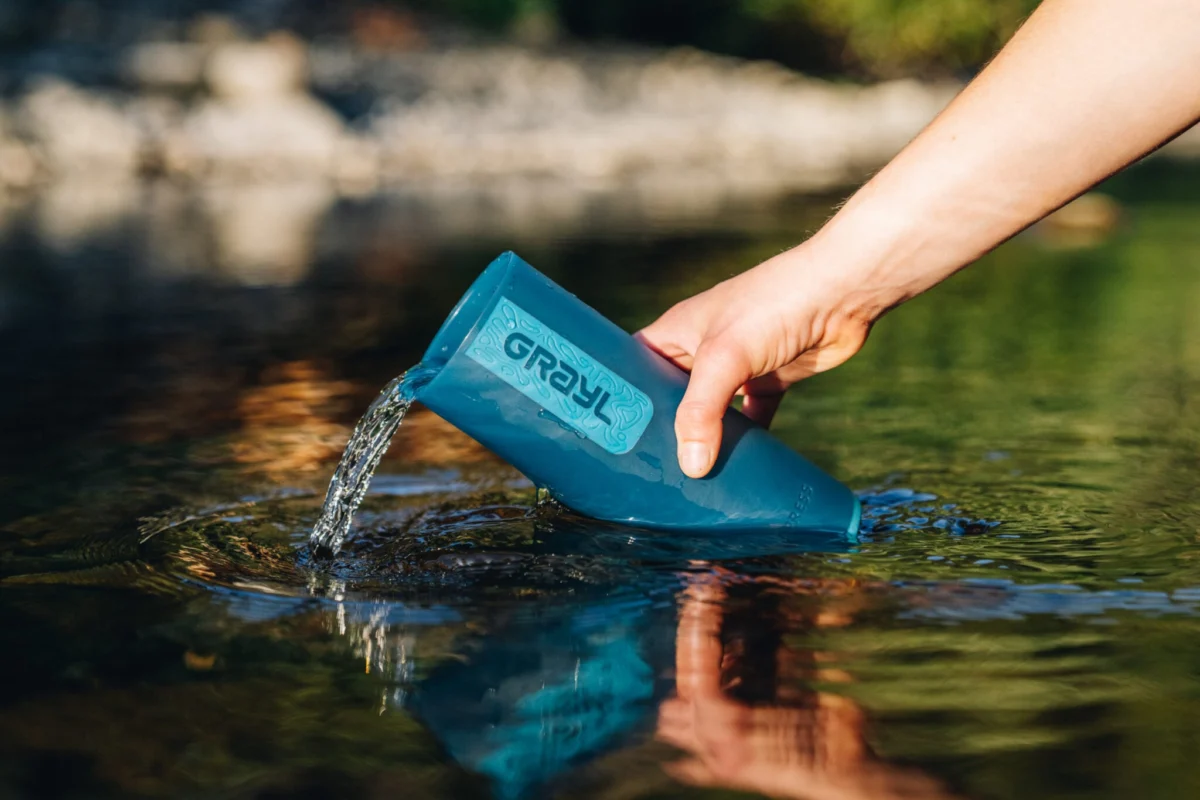
Technological advancements have largely replaced paper maps and bulky guidebooks, making tech gear an integral part of the modern travel experience. Essential electronics, reliable power banks, universal adapters, and e-readers have become standard inclusions for those navigating foreign transit networks and booking accommodations on the go. Similarly, practical accessories such as quick-drying microfiber towels, sleeping bag liners, and advanced water purification systems like the Grayl UltraPress provide an added layer of comfort and self-sufficiency, enabling travelers to secure safe drinking water from virtually any source, whether a mountain stream or a hostel tap.
Beyond pure utility, creature comforts that enhance the travel experience—such as personal journals, compact books, or specialized comfort items—are worth considering if travelers are willing to allocate the necessary space in their packs. Ultimately, securing essential paperwork, including valid passports, visas, travel insurance documentation, and digital backups of all critical records, remains the absolute priority before setting off on the journey.