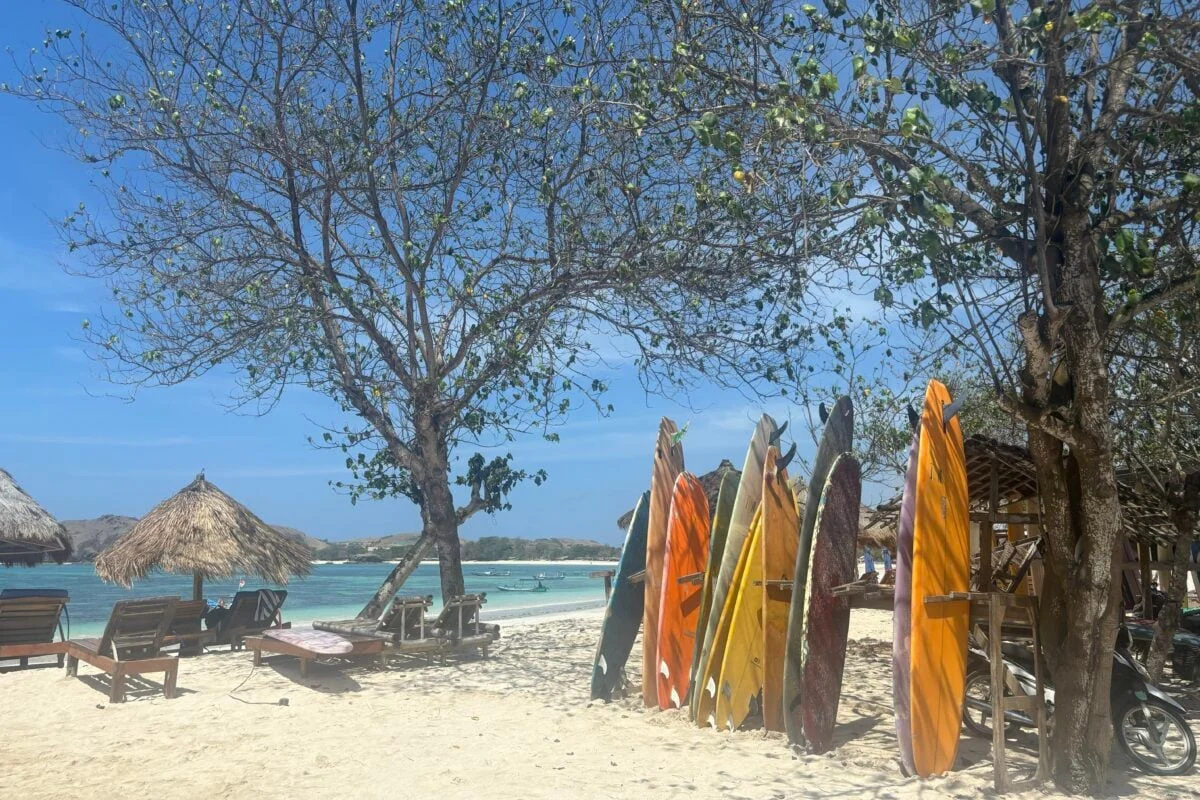
While Bali has long reigned as Indonesia’s undisputed surfing heartland, a quieter transformation has been taking place just across the water on the island of Lombok. Increasingly, travelers and wave-riders are setting their sights on Lombok’s southern coast, where a combination of consistent swells, forgiving reef breaks, and a burgeoning infrastructure of all-inclusive surf camps is quickly establishing the island as the premier beginner surf mecca of Southeast Asia.
Yet, Lombok is far from a one-note destination. The island offers a diverse array of breaks capable of catering to intermediate and advanced surfers alike, all set against a backdrop of dramatic scenery and a welcoming local surf culture.
For those looking to plan a trip to the island, understanding the nuances of the local breaks, seasonal weather patterns, logistical requirements, and safety protocols can make the difference between a frustrating holiday and an unforgettable ocean adventure.

Understanding the Seasons: When to Surf in Lombok
Surfing is possible year-round in Lombok, making it a reliable destination regardless of when travelers can manage their time off. However, distinct seasonal shifts dictate the character of the waves and the demographics of the lineup.
The dry season, running from May through September, is widely regarded as the optimal window for beginners. During these months, swells are remarkably reliable, winds blow favorably from the southeast, and conditions are generally clean.
Conversely, seasoned surfers can find working spots across both the wet and dry seasons, ensuring that a lack of swell is rarely an issue. An added bonus of visiting during the wet season, which spans from October to March, is the noticeably smaller crowds. As Lombok’s breaks grow increasingly popular, avoiding peak tourist density has become a higher priority for many looking to catch unhindered waves.

The island’s appeal to learners lies in a specific geographic and meteorological alignment. The combination of consistent swell and beginner-friendly surf spots creates an ideal training ground. Mellow and forgiving reef breaks still possess enough power to allow novices to develop their skills rapidly. Coupled with a plethora of affordable surf camps and a supportive community, Lombok’s rise as a premier learning destination feels organic and well-earned.
Jessie Innis, a contributor to South East Asia Backpacker who is accustomed to the Australian coastline, noted that the island easily surpassed her expectations.
“Living on the Australian coastline, I’m spoilt for choice when it comes to quality surf breaks. However, the beginner-friendly spots are a little harder to come by,” Innis observed. “Lombok, on the other hand, is a beginner surfer’s dream. On small swells, the waves are mellow and forgiving. They are mostly reef breaks with channels allowing you to paddle safely back to the line-up. A far less demanding experience than some of the dumpy, beach breaks back home.”

Navigating Lombok’s Diverse Surf Breaks
Lombok’s coastline features a wide variety of breaks, each offering unique characteristics suited to different skill levels and seasonal preferences.
Selong Belanak stands out as a sweeping crescent bay that serves as an ideal sanctuary for first-timers. Unlike the majority of Lombok’s breaks, which are reef-based, Selong Belanak features a soft, safe beach break where small, manageable waves allow learners to catch their initial rides with confidence. This spot performs best during the dry season.
Further east from the primary surf hub of Kuta lies Gerupuk Bay, located about 15 minutes away. The bay functions as a collective home for several distinct waves, drawing substantial attention from local surf schools.

“Gerupuk Bay has largely become dominated by surf schools,” Innis noted. “And whilst that’s annoying for more experienced surfers trying to get waves, it’s a friendly atmosphere for anyone starting out. It’s far less intimidating when the surfers around you are on a similar playing field. Plus, you all appreciate the tiny increments in progress and can share the stoke with each other!”
Tanjung Aan offers another dreamy sandy bay featuring an offshore reef break well-suited for longboarding. Its long, mellow waves allow learners and intermediates to build confidence on larger boards. However, its popularity with surf camps means the water can become heavily congested.
Lisa Barham, a writer for South East Asia Backpacker, highlighted the evolving landscape around the area. “Tanjung Aan is one of my favourite places to surf. It’s a great break for progressing, and the rides can be really long too! The only downside is that paddling back to the line-up feels even longer!” Barham said. “The entire bay is now being developed into a luxury resort area. Wiping out the natural beauty here is a huge loss to the island, and who knows how it will impact the surf culture in future. Surfers, enjoy this great spot while you can!”

Additional locations along the southern coast include Ekas, situated further east and offering both beginner-friendly inside breaks and intermediate outside breaks ideal for day trips from Kuta. Seger Reef, located close to Kuta, offers a versatile setup where faster right-hand breaks challenge experienced surfers while left-handers welcome novices, all against the backdrop of vibrant sunsets.
For intermediate and advanced surfers, Mawi offers challenging left and right peaks that can form barrels under optimal conditions, though access requires navigating a rugged dirt track on a scooter. Are Guling presents fast rides and heavy barrels during large swells alongside strong currents, while Desert Point, situated on the far western tip of the island, remains a legendary test for expert surfers due to its long, exceptionally fast barrels.
The Rise of Surf Camps and Independent Travel
For confident surfers, visiting Lombok can be an independent affair involving rented accommodation in Kuta or Gerupuk, a rented board, and direct trips to the water. However, for beginners and those looking to accelerate their progress, surf camps have emerged as a comprehensive alternative.

These camps typically bundle accommodation, meals, surfboard rentals, and transport to the breaks, occasionally incorporating services like board waxing, yoga classes, surf theory sessions, and in-house massages. They also foster a communal environment for travelers navigating similar stages of their surfing journeys.
For intermediate and advanced surfers, specialized surf camps offer guiding packages aimed at refining specific technical skills. Travelers who prefer to manage their own lodging can alternatively utilize standalone surf schools for group or private lessons, such as Happiness Lombok, avoiding the full residential commitment of a traditional camp.
Choosing the right camp requires careful consideration as the island’s surf tourism sector expands. Factors such as instructor-to-student ratios, accommodation comfort, proximity to breaks, and package inclusions remain critical when evaluating options.

Jessie Innis reflected positively on her decision to book a structured package at the Drop In surf camp during her maiden visit to the island. “As a relative beginner, and a first-time visitor to Lombok, it was such a relief to have all of the surf planning taken care of for me. I didn’t have to worry about checking the surf reports, planning my sessions, or getting out to the surf breaks,” she said. “Plus, I got to relish in the luxury of a dreamy little villa and incredible home-cooked, post-surf feasts.”
Practical Considerations for Surfers on the Ground
A successful surf trip to Lombok requires attention to local logistics, from transportation to crowd management.
Reaching specific breaks often involves maritime travel. In Gerupuk and Tanjung Aan, surfers typically hire local boats to reach the outer reefs, with costs ranging between 100,000 and 200,000 IDR per boat, expenses that are frequently shared among groups to minimize costs.

Managing crowds is another essential skill. While Lombok’s villages retain a largely undeveloped charm, popular lineups like Gerupuk Insides can see upwards of 50 surfers in the water during small swells, creating chaotic and potentially hazardous conditions when inexperienced learners are pushed into waves without regard for traditional etiquette. Savvy travelers often target midday sessions to avoid the peak morning and late-afternoon rushes scheduled by commercial surf camps.
Transporting equipment also presents logistical choices. Given that airlines frequently levy high fees for board transport—sometimes reaching 1,000,000 IDR—and carry risks of transit damage, renting equipment locally in Kuta or Gerupuk via establishments like Rama Surf or Banyu Surfboards is often the preferred route for most visitors.
Safety remains a paramount concern, particularly given the presence of sharp coral reef breaks, strong rip currents, and crowded lineups. Adhering to fundamental surf etiquette, wearing appropriate reef-safe sun protection, utilizing surf booties where necessary, and remaining aware of changing tide conditions help mitigate risks in the water.

Ultimately, Lombok continues to deliver a classic tropical surfing experience defined by warm waters, accessible progression waves, challenging expert barrels, and a relaxed post-surf culture. As the island navigates the balance between rapid tourism development and the preservation of its natural allure, it remains a compelling destination for anyone looking to connect with the ocean.