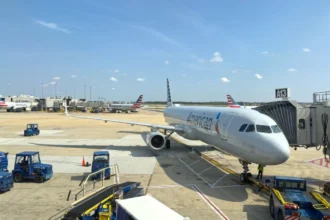
When a catering truck collided with a 25-year-old Airbus A320 at Washington Ronald Reagan National Airport (DCA) on May 16, 2026, the resulting structural damage ultimately sealed the aircraft’s fate. Registered as N470UA and operated by United Airlines, the narrowbody sustained severe impacts to its rear fuselage. Because the estimated cost of repairs far exceeded the economic value of a quarter-century-old frame, the carrier decided against a rebuild.
Despite having recently been refurbished with the modern United Signature Interior, N470UA was deemed too old to justify the substantial financial investment required to restore it to airworthiness. Consequently, the aircraft has remained grounded at DCA ever since the accident, where technicians have systematically dismantled it for spare parts and scrap.
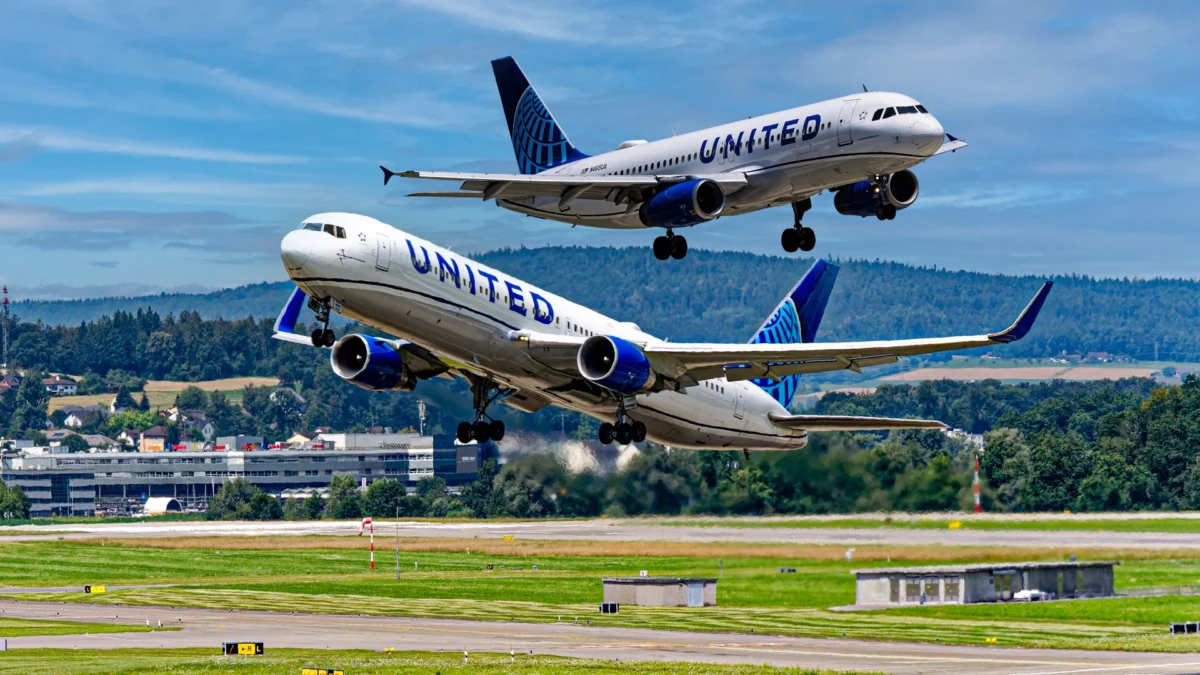
While retiring an airliner of this age following severe ramp accidents is standard industry practice, the decision carries a striking contradiction when placed side-by-side with a previous fleet management choice. In 2023, United faced a remarkably similar scenario involving a much older widebody aircraft. Registered as N641UA, a Boeing 767-300ER suffered severe structural damage to its fuselage following a hard landing. Despite being 32 years old at the time of the incident, United chose a different path, investing heavily in structural repairs. The widebody successfully returned to commercial service ahead of the 2024 summer travel season, highlighting a stark divergence in how the Chicago-based airline evaluates the operational value of narrowbodies versus widebodies.
United’s Current Fleet Make-Up
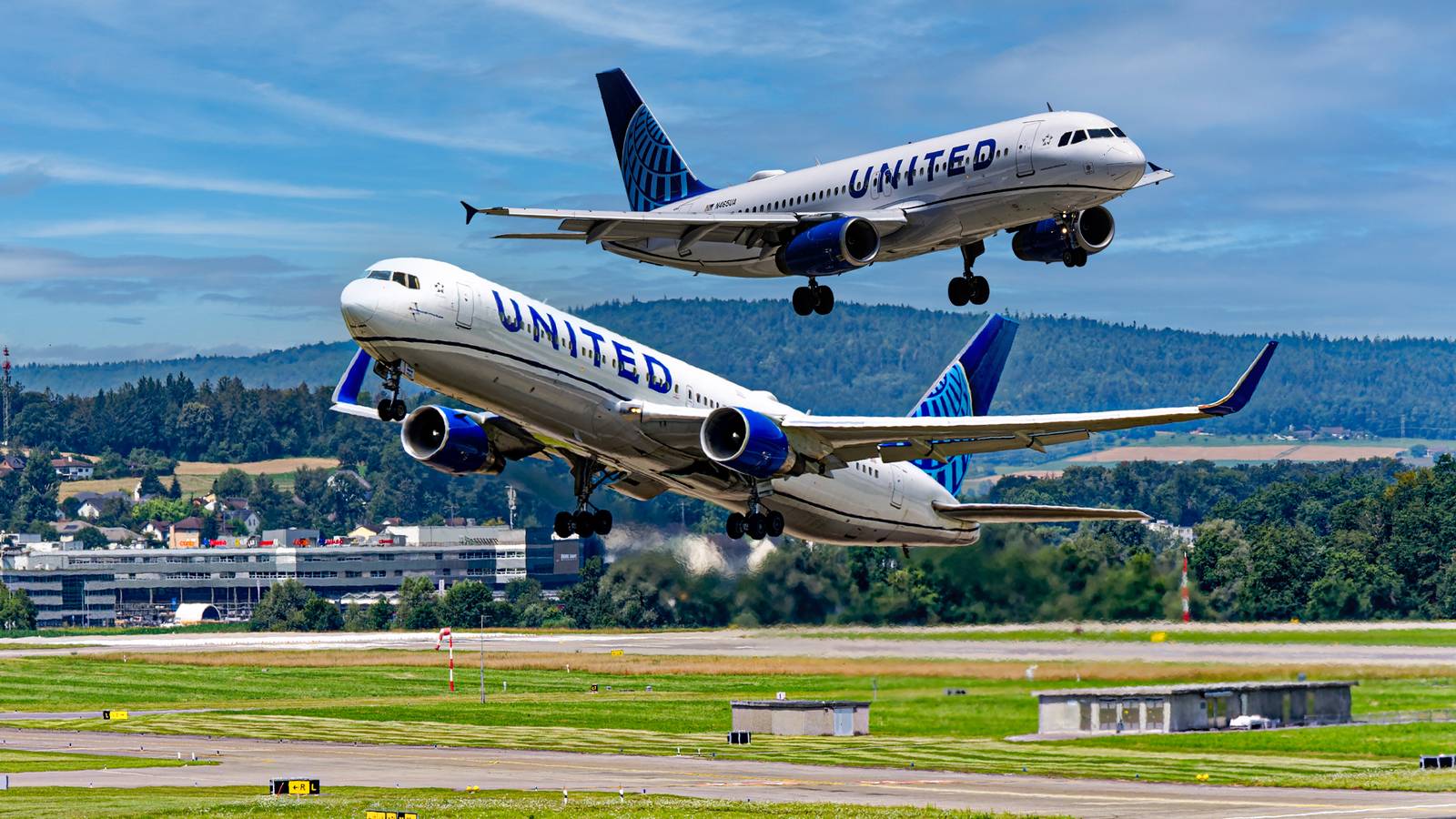
Data from Planespotters.net illustrates the vast scale of United Airlines, which currently commands a massive fleet of 1,157 aircraft. This diverse inventory includes 68 Airbus A319-100s, 64 Airbus A320-200s, 78 Airbus A321neos, 40 Boeing 737-700s, 141 Boeing 737-800s, 12 Boeing 737-900s, 136 Boeing 737-900ERs, 123 Boeing 737 MAX 8s, 188 Boeing 737 MAX 9s, 40 Boeing 757-200s, 21 Boeing 757-300s, 37 Boeing 767-300ERs, 16 Boeing 767-400ERs, 19 Boeing 777-200s, 55 Boeing 777-200ERs, 22 Boeing 777-300ERs, 12 Boeing 787-8s, 64 Boeing 787-9s, and 21 Boeing 787-10s. Categorized broadly, the airline operates 210 aircraft from the Airbus A320 family, 640 Boeing 737s, 61 Boeing 757s, 53 Boeing 767s, 96 Boeing 777s, and 97 Boeing 787s.
An examination of fleet averages reveals that the Boeing 767-300ERs stand as the oldest aircraft type in the inventory, averaging over 30 years of age. They are closely followed by the carrier’s Boeing 757-200s, which average more than 29 years old. Further down the age spectrum are the Boeing 737-700s at 27.6 years, the Boeing 777-200 and 200ER models at 27.2 years, the Airbus A320-200s at 26.7 years, the Boeing 737-900s at 25.2 years, the Boeing 767-400ERs at 25.1 years, and the Airbus A319-100s at 24.7 years.
Although the Airbus narrowbodies do not hold the title of oldest overall equipment, the A319 and A320 types represent the primary narrowbody categories that United has consistently targeted for retirement in recent years. Coming out of the pandemic, the airline’s ‘United NEXT’ strategy has placed a heavy emphasis on domestic network growth and fleet modernization. To achieve these goals, United has committed to massive order books for Boeing 737 MAX aircraft—totaling 514 commitments overall—alongside 210 Airbus A321neo family jets. These incoming modern narrowbodies are systematically replacing the airline’s aging smaller Airbuses, while widebody acquisition schedules remain more measured despite ambitious international expansion plans.

The Value Of The 767 Versus The A320
Repair costs relative to hull value naturally play a critical role in any airline’s insurance and maintenance calculations. However, opportunity cost remains an equally powerful driver in major fleet decisions. When evaluating the damaged Airbus A320 against the previously repaired Boeing 767, United had to weigh the utility of retaining a single narrowbody against the strategic importance of its 37 remaining Boeing 767-300ERs.
The loss of N470UA ultimately proved manageable because United did not face a capacity deficit in its domestic narrowbody sector. With massive delivery streams bringing in over 100 new narrowbodies through 2026, the airline possessed ample flexibility to cover the sudden loss of a single A320 by adjusting schedules across its domestic network. Furthermore, the A320 ranks as the third-smallest mainline narrowbody in the fleet—surpassing only the A319 and 737-700—while executive strategy heavily favors upgauging toward higher-capacity assets like the Boeing 737 MAX 9 and Airbus A321neo.
By contrast, the widebody segment operates on a much tighter margin. The long-haul fleet is significantly smaller than the narrowbody division, meaning the sudden permanent removal of a Boeing 767 would have dealt a noticeable blow to intercontinental scheduling. Furthermore, widebody production lines and delivery slots move at a much slower pace than narrowbody assembly lines. Although United anticipated taking delivery of 20 Boeing 787 Dreamliners in 2026—a record yearly milestone for the carrier—the delivery rates during 2023 and 2024 were vastly different. While technicians were working to restore the wrinkled fuselage of N641UA, the airline received just five Boeing 787s across those two years combined.

United’s International Growth
United has long maintained a distinct structural advantage over its domestic competitors through its expansive long-haul international network. Yet, even with accelerated Dreamliner deliveries on the horizon, widebodies remain a precious commodity. During 2023 and 2024, retiring a damaged Boeing 767 instead of repairing it would have directly forced the airline to curtail its international growth ambitions.
During the 2024 peak summer season, United added only a single new transatlantic destination to its route map, focusing instead on modest frequency increases across existing transatlantic and transpacific corridors. This constrained international growth footprint was a direct reflection of constrained widebody supply, as the airline took only two Dreamliners in early 2023 and three more toward the end of 2024, all arriving after the summer rush had peaked. Scrapping N641UA would have choked off schedules further at a time when transatlantic demand and financial yields were climbing rapidly.
Long-term projections indicate that United intends to completely phase out its Boeing 767-300ER fleet by 2030, with the Boeing 787 serving as the ultimate designated replacement. For the present period, however, fleet renewal takes a backseat to capacity expansion and capturing as many widebody delivery slots as possible. While the 767 generation is older and less fuel-efficient than newer aircraft, United’s active examples feature thoroughly modernized passenger cabins. These fully depreciated assets continue to perform effectively on transatlantic routes, particularly during off-peak seasons when overall demand softens.
The Declining Relevance Of The A320 In United’s Fleet
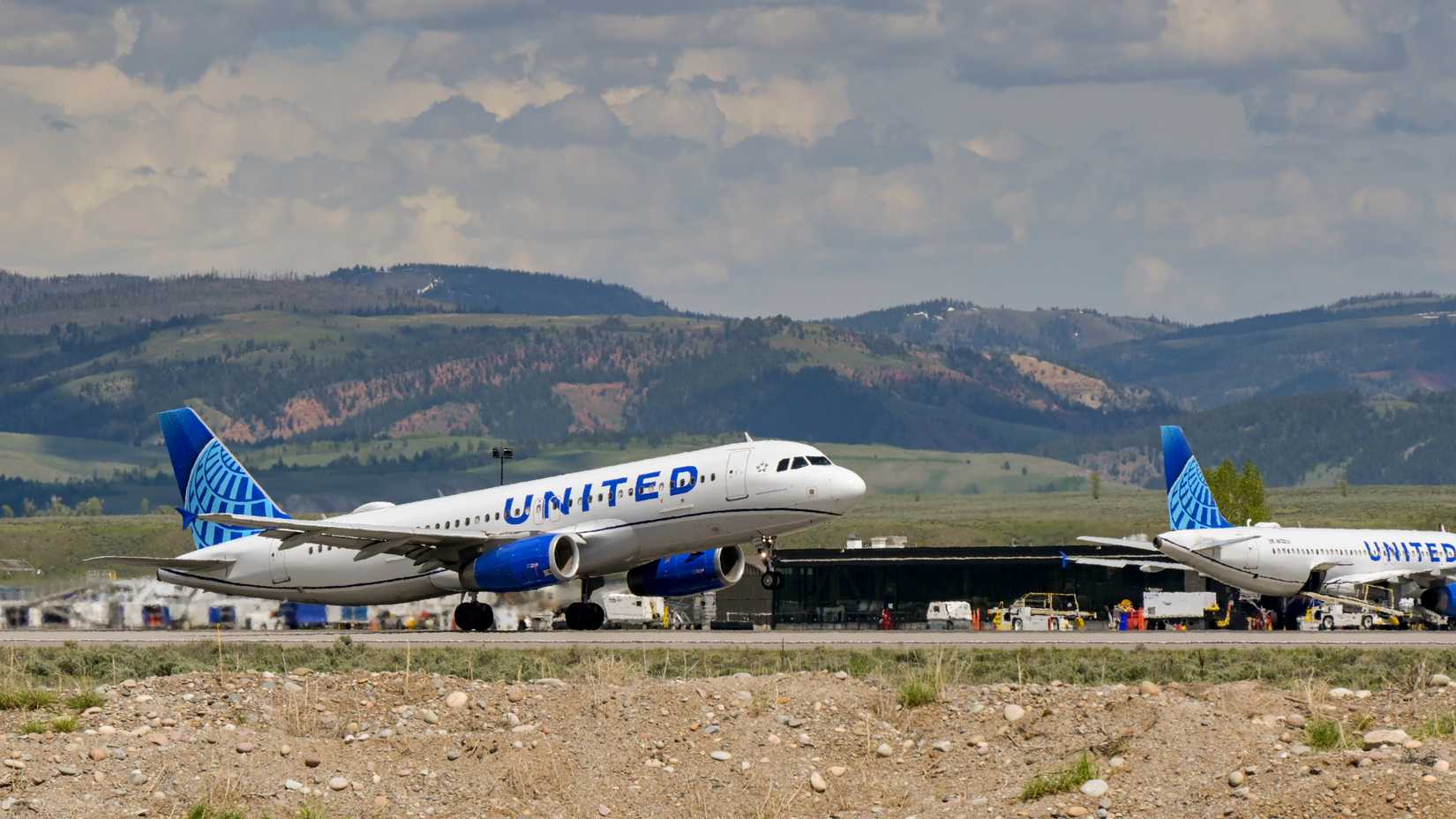
Though the Airbus A320 remains a fixture of global aviation, the specific variant is aging rapidly within the domestic landscape. Inside United’s operations, the A320-200 stands as the third-oldest narrowbody type, trailing only the Boeing 757-200 and the Boeing 737-700. However, the airline has already retired substantial portions of its initial A320 inventory. Meanwhile, the Boeing 757-200 occupies a specialized, highly protected niche as a premium narrowbody capable of handling high-demand transcontinental business routes and thin transatlantic legs, pending a full transition to incoming Airbus A321XLR and A321neo Coastliner variants.
Beyond their advancing age, the seating configuration of the A320-200 no longer aligns cleanly with United’s modern commercial strategy. Standard A320s in the fleet feature 12 domestic first-class seats alongside 150 total seats. In contrast, the carrier’s incoming mainline workhorses—such as the 179-seat Boeing 737 MAX 9 and the 200-seat Airbus A321neo—provide 20 first-class seats alongside significantly expanded Economy Plus cabins. Because United’s current domestic strategy revolves around high-density upgauging, the A320-200 functions primarily as an operational placeholder rather than a core pillar of future planning.
To maintain passenger experience consistency across the network, United has retrofitted a large portion of its active Airbus A320 fleet with the Signature Interior, introducing seatback entertainment screens, dynamic mood lighting, and oversized overhead bins. Yet this cabin refresh program represents an effort to standardize the onboard product rather than a long-term commitment to the airframe. Within the domestic sector, the A320-200 and A319-100 series represent the equipment types furthest removed from the airline’s ultimate fleet vision.
How The United Airlines Fleet Is Evolving
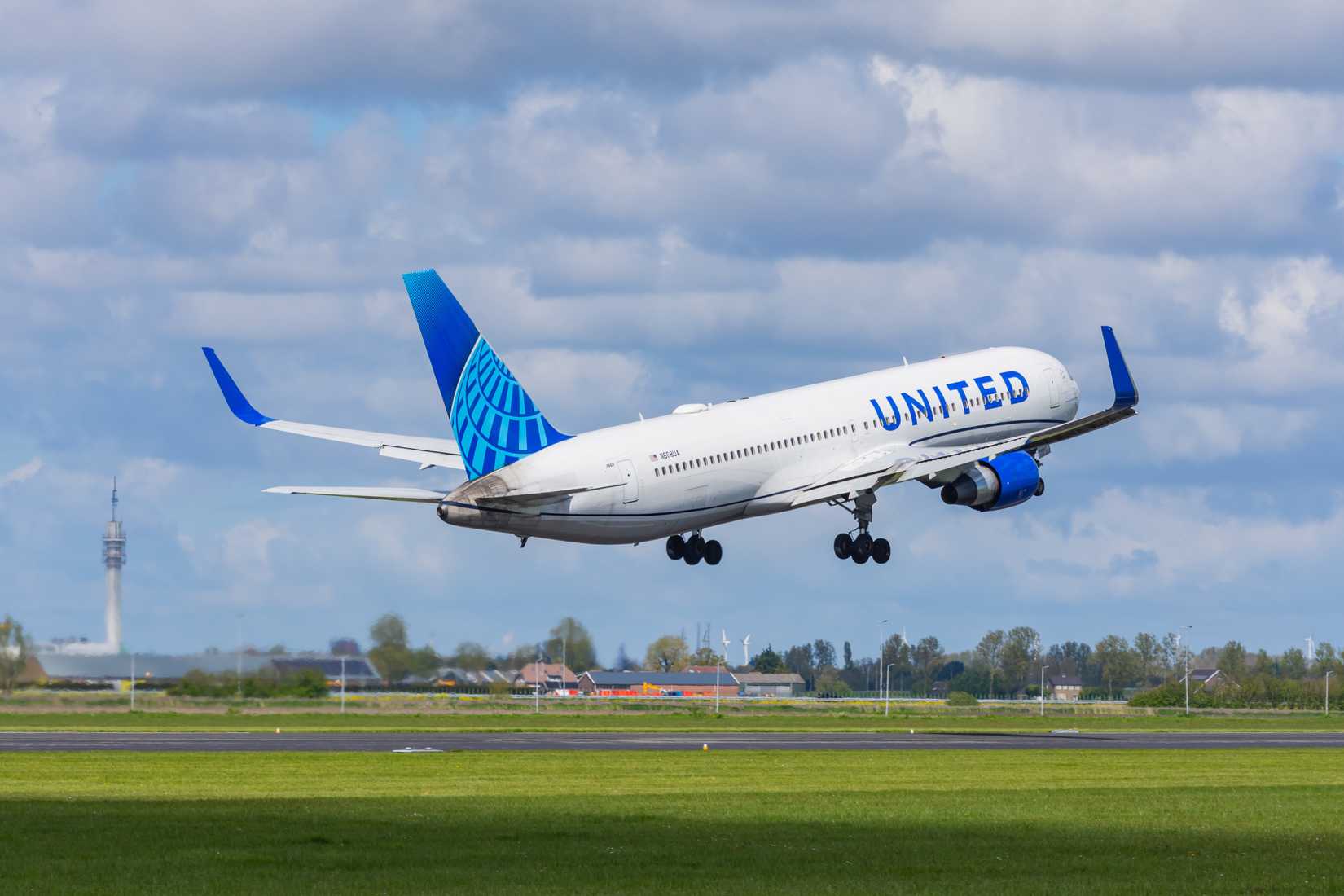
The remaining Airbus A320-200 and A319-100 fleets are scheduled to fully exit United’s operations by 2030, making way for additional Boeing 737 MAX 9, MAX 10, and Airbus A321neo deliveries. Rather than pursuing an aggressive early phase-out, the carrier is content to let the oldest airframes age out naturally, prioritizing domestic capacity growth and upgauging above accelerated retirements. A definitive long-term plan for the similarly aged Boeing 737-700 fleet has not been finalized, though larger Next-Generation models like the 737-800 and 737-900 offer superior economics, and the 737-900ER subfleet remains relatively young.
Within the widebody sector, the strategic focus remains centered entirely on expansion. While incoming Boeing 787s arrive at an accelerated pace, these modern jets fulfill distinct network requirements compared to the retiring 767s. Recent deliveries of Boeing 787-9s feature specialized premium-heavy configurations centered around expansive Polaris business-class cabins, deployed primarily to capture high-yield traffic on premier routes, while displaced aircraft facilitate broader network growth. The eventual retirement of the remaining widebody subfleets will proceed gradually over the coming decade as additional Dreamliners arrive.
On the narrowbody transcontinental and premium front, United has yet to begin retiring its Boeing 737 Next-Generation models, but the 40-strong Boeing 757-200 fleet faces imminent retirement within the next few years. To ensure a seamless transition, United has placed firm orders for 50 Airbus A321neo Coastliners earmarked for transcontinental sectors and 50 Airbus A321XLRs dedicated to European services. These arrivals will facilitate the eventual retirement of the 757 fleet. Additionally, future Boeing 787-10 deliveries will absorb the eventual phase-out of the airline’s Boeing 777-200 and select 777-200ER airframes, though a definitive replacement strategy for the remainder of the 777-200ER fleet remains undetermined as the carrier continues to evaluate its long-term widebody requirements.