For the millions of enthusiasts who have earned their initial scuba certification, the card in their wallet is far more than just a credential—it is a passport to a global frontier. Achieving that first level of competency is undoubtedly the most critical milestone in a diver’s journey, marking the transition from a surface observer to an underwater explorer. Yet, as many veteran divers discover, the true beauty of the sport lies in the realization that learning never truly ends. Once the basics of buoyancy, clearing, and safety are mastered, the evolution of a diver’s skillset becomes a lifelong pursuit, often requiring a deliberate shift in perspective and a willingness to step outside one’s comfort zone.
For those whose logbooks are predominantly characterized by warm, clear water with minimal currents and perfect visibility, the path to becoming a more proficient and confident diver may lie in embracing environments that push the boundaries of their current experience. While core courses provided by organizations like PADI offer a structured framework for advancement, the most significant growth often occurs when a diver intentionally seeks out different conditions, challenging their physical capabilities, mental focus, and equipment management.
The Value of Challenging Your Diving Environment
The act of changing one’s diving environment—whether that means exploring a new geographical region, encountering different water temperatures, or navigating unique underwater topographies—serves as a catalyst for growth. Each environment demands a slightly different approach to dive preparation, gear configuration, and problem-solving. By facing these novel challenges, divers not only keep their fundamental skills sharp but also acquire the versatility necessary to handle a wide range of underwater scenarios with composure and safety.

Growth as a diver is rarely linear; it is often found in the moments where a diver must adapt to something they have not encountered before. Whether it is learning to manage a surge, adjusting for heavy exposure gear, or developing the situational awareness required for overhead environments, every new challenge contributes to a more robust and capable diver.
Mastering the Dynamic Nature of Currents
For many, navigating currents represents one of the quintessential "rites of passage" in the diving community. The ability to manage, work with, and safely enjoy current-heavy sites is often treated as a badge of honor among enthusiasts. Conversations on dive boats frequently turn to the strength of the currents faced at various locations, reflecting the deep respect divers have for this powerful underwater force.
The challenge of current is multifaceted. It influences every stage of the dive, from the initial entry into the water and the efficiency of the descent to the physical exertion required for swimming and the precision needed for navigation. Furthermore, maintaining a neutral, stable position while being pushed by a moving water mass requires refined buoyancy control and a heightened level of situational awareness. By actively seeking out sites known for their flow, divers learn to read the water, anticipate changes in the environment, and plan their dives more effectively. This confidence not only improves the individual diver’s comfort but also ensures that they remain safe and relaxed, even when the water is in motion.
The Complex Allure of Wreck Diving
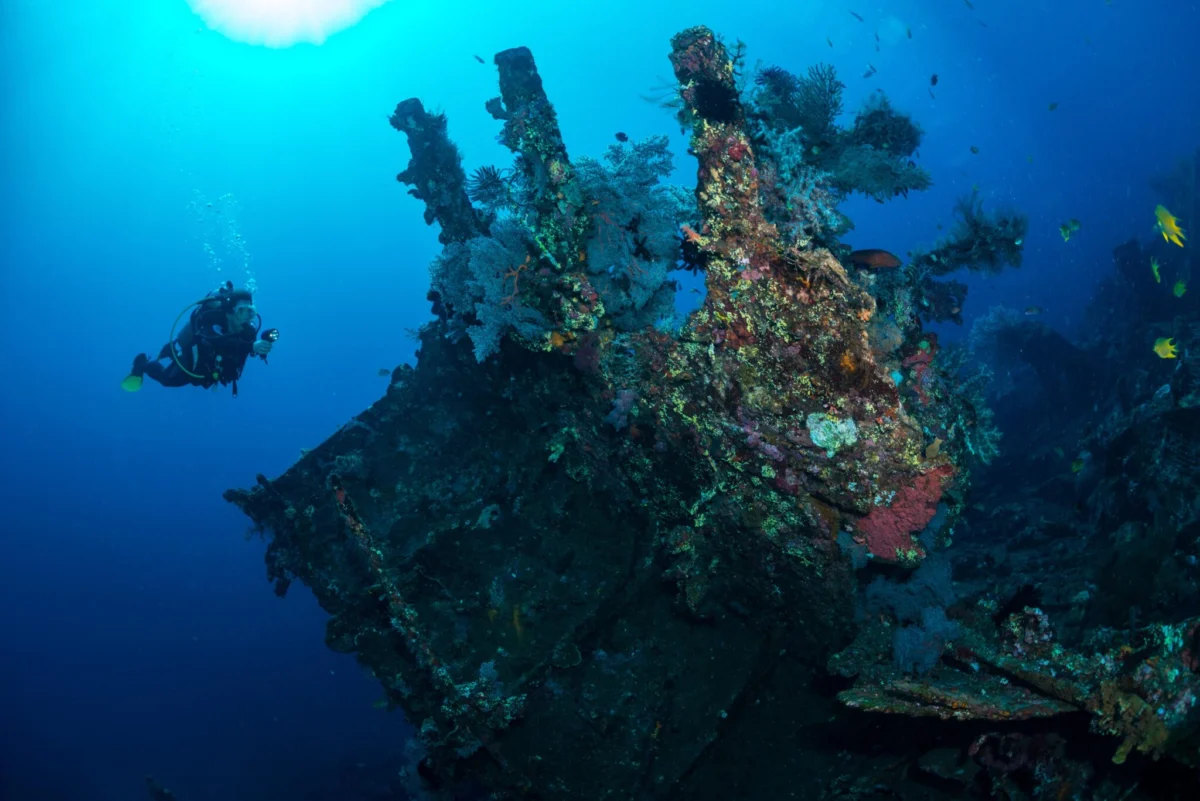
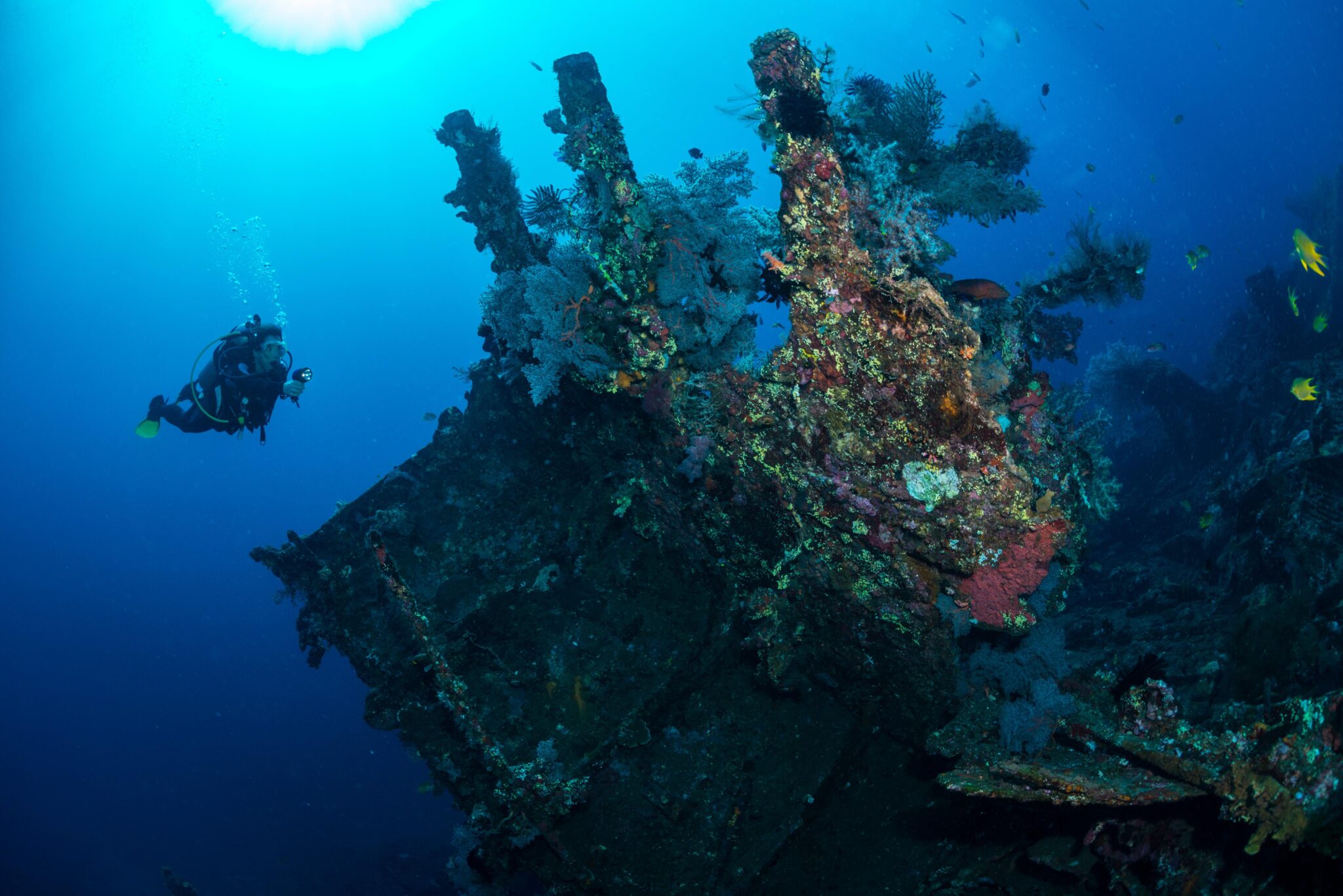
Transitioning from the open expanse of a coral reef to the complex, static environment of a shipwreck offers a profound shift in experience. Wrecks are not merely historical relics; they are technical landscapes that demand a higher level of precision. Navigating the interior of a vessel—complete with swim-throughs, confined spaces, and unfamiliar structural layouts—introduces new variables that are rarely present on a standard reef dive.
In these environments, the darkness and the overhead nature of the structure require an acute sense of spatial awareness. Divers must carefully manage their buoyancy and trim to avoid stirring up silt or damaging the site, all while maintaining constant awareness of their path back to open water. This type of diving pushes a diver to refine their navigation skills and their ability to remain calm in environments that may feel restrictive. It is an exercise in focus, turning a standard exploration into a mentally engaging task that tests one’s comfort and control.
Adapting to the Cold-Water Frontier
Diving in cold water is often perceived as a significant barrier by many, yet it serves as one of the most effective ways to become a truly adaptable diver. The transition from a thin wetsuit to a dry suit is more than just a change in clothing; it is a fundamental shift in how a diver manages their buoyancy and thermal protection. Cold-water diving opens up vast, often untapped underwater regions, from temperate kelp forests to glacial lakes, providing access to marine life and geological formations that simply do not exist in the tropics.
The technical requirements of dry suit diving—including mastering the use of an inflator valve for buoyancy and managing the air bubble within the suit—force a diver to develop a higher level of equipment familiarity. Furthermore, there is a distinct sense of accomplishment that comes with surfacing from a freezing, challenging dive and remaining warm and dry. This level of preparation and the discipline required to dive in such conditions naturally foster a more methodical and cautious approach to all aspects of the sport.
The Intricacies of Cavern Diving
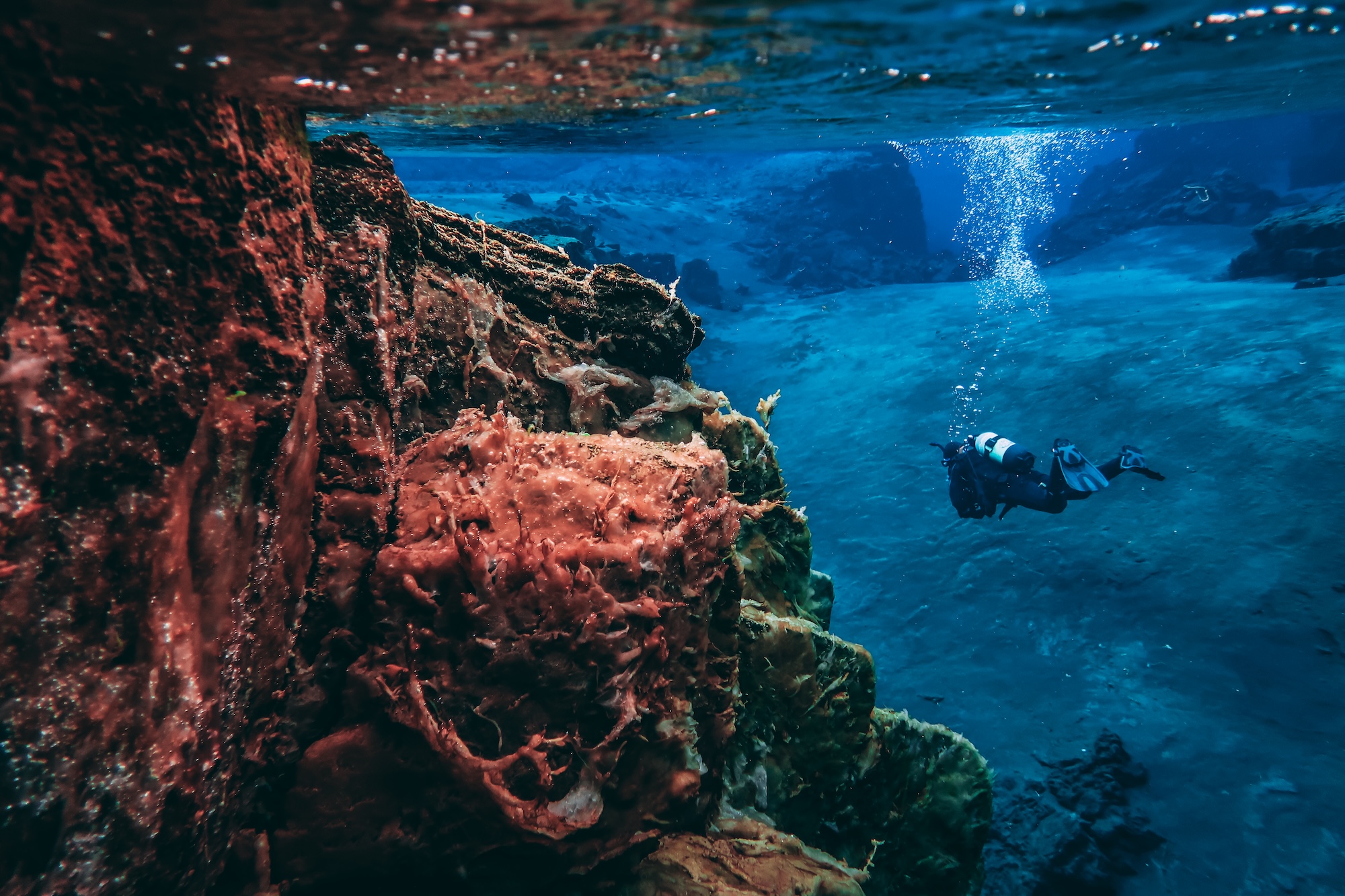
Cavern diving offers a unique bridge between the open-water experience and the highly specialized world of cave diving. By operating within the "natural-light zone" of an overhead environment, divers gain exposure to the logistical and psychological demands of cave systems without the extreme risks associated with deep penetration.
These environments require a rigorous standard of buoyancy, trim, and propulsion techniques. Because the ceiling is made of rock, the margin for error is significantly reduced, necessitating a high degree of control over one’s body position. Navigating these spaces enhances a diver’s situational awareness and their ability to maintain a clear line of travel. The visual rewards—dramatic rock formations, light filtering through cracks, and crystalline water—are entirely different from the biological focus of reef diving, providing a fresh and demanding aesthetic experience.
Exploring the Depths
While recreational diving limits are designed to provide a safe and expansive range of exploration, descending into deeper waters—those beyond 18 meters (60 feet)—requires a more disciplined approach. As depth increases, the margin for error narrows. Careful planning becomes the primary tool for safety, as divers must account for accelerated air consumption and the strict boundaries of no-decompression limits.
Diving deeper is not merely about reaching a specific depth; it is about the enhanced awareness and planning that such an endeavor requires. It necessitates a deeper understanding of gas management and a commitment to meticulous dive planning. For those who enjoy the process of preparation and the discipline of execution, deep diving offers access to a different layer of the ocean, often characterized by different species, larger structures, and a serene, quiet atmosphere that is rarely found in the shallows.
Conservation and the Mindful Diver
Ultimately, the goal of improving as a diver is not limited to physical skill. True growth involves developing a deeper connection to the environment we explore. As divers, we are witnesses to the health of our oceans, and this proximity grants us a unique responsibility. Engaging in conservation efforts, such as participating in citizen science projects, advocating for protected areas, or taking formal pledges to support ocean health, transforms the act of diving from a personal hobby into a proactive contribution to marine preservation.

Becoming an "Ocean Torchbearer" or simply a more mindful observer of marine life helps a diver understand the fragility of the ecosystems they visit. This knowledge often leads to better in-water behavior, such as improved buoyancy to avoid damaging coral and a more respectful distance from marine animals. When a diver understands the impact of their presence, they naturally become more careful and considerate, ensuring that the underwater world remains as vibrant for future generations as it is today.
As a certified scuba diver, the horizon of your potential is as vast as the ocean itself. Whether you are seeking the thrill of a powerful current, the historical intrigue of a wreck, or the quiet discipline of a deep or cold-water dive, there is always a new layer of expertise to develop. The journey of a diver is defined by the willingness to look at the next horizon and decide that, regardless of how much you have already seen, there is always more to discover.