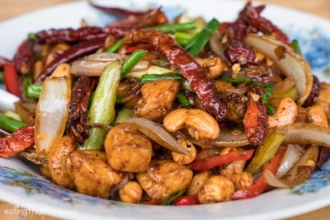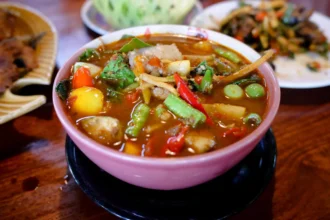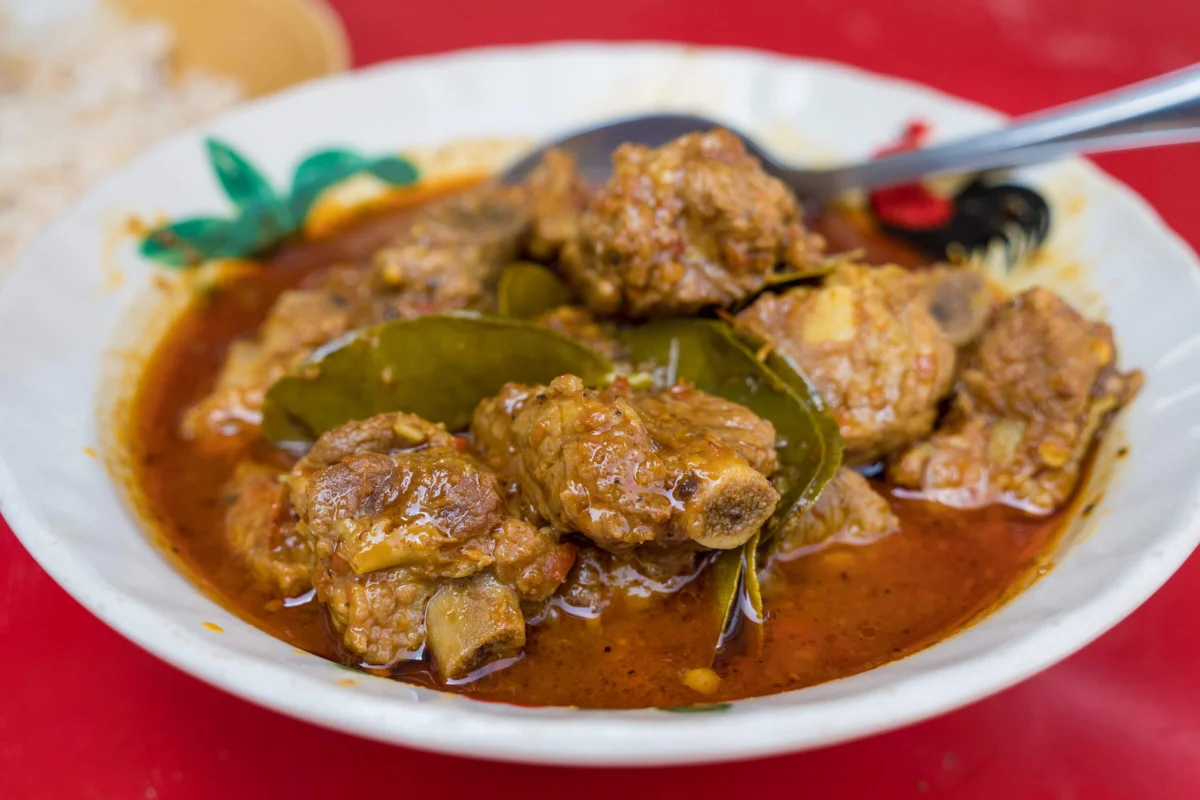
When it comes to exploring the rich culinary landscape of Thailand, few regional cuisines command as much respect and culinary curiosity as that of the country’s deep south. Known for an assertive heat, complex aromatic profiles, and a fearless approach to spice, Southern Thai cooking stands apart from the sweeter, milder profiles often found in central Thailand or international restaurants. For food enthusiasts eager to experience this authentic regional flavor at home, a traditional family recipe offers a rare window into a culture where cooking is both an art and a daily devotion.
Mark Wiens, a prominent voice in Thai culinary documentation, recently shared a deeply personal family recipe passed down through his mother-in-law, whose family originally hails from Southern Thailand. This particular dish, known in Thai as gaeng khua prik (แกงคั่วพริก), is prepared with pork ribs—referred to locally as seekong moo—though the foundation is versatile enough to accommodate alternative proteins like chicken or beef. Unlike many of the world-famous Thai curries that rely heavily on coconut milk to smooth out their rough edges, this dry chili curry takes a completely different path. By omitting coconut milk entirely, the dish allows the unmitigated power of toasted spices and dry chilies to take center stage, resulting in a flavor explosion that is as fiery as it is aromatic.
Understanding the Anatomy of Southern Thai Curries
To appreciate the significance of gaeng khua prik, one must first understand the foundational philosophy of Southern Thai cuisine. Many popular Thai curries, such as the ubiquitous green curry, incorporate generous amounts of coconut milk. While delicious, the rich, fatty nature of coconut milk tends to mellow out the aggressive heat and sharp edges of fresh and dried spices.
In contrast, dry chili curries operate without this dairy-adjacent buffer. Without coconut milk to soften the blow, every single component of the curry paste must be meticulously balanced and harmonized. The use of dry bird’s eye chilies is mandatory, bringing not just intense heat, but a deep, smoky, and complex fragrance that fresh chilies simply cannot replicate. When simmered with tender pieces of pork ribs over an extended period, the paste melds with the meat’s natural juices, creating a thick, intensely flavorful sauce that clings to every morsel.

The Art of Crafting the Curry Paste from Scratch
At the heart of any authentic Thai curry lies the curry paste, a labor-intensive concoction where herbs, roots, and spices are pounded into a unified paste. According to culinary traditions passed down through generations, the secret to achieving the ultimate flavor profile rests entirely within this preparation phase.
The process begins with the dry chilies. Before any pounding can take place, the Thai dry bird’s eye chilies are soaked in water for five to ten minutes. This crucial step softens the dried pods, making them significantly easier to break down during the grinding process. Meanwhile, whole spices such as cumin seeds and coriander seeds undergo a quick dry-frying process in a pan or wok for approximately thirty seconds. This brief exposure to heat awakens the natural oils locked inside the seeds, dramatically amplifying their fragrance.

Once the spices are toasted and the fresh herbs and aromatics are finely sliced and diced to ease the physical labor, the actual grinding begins. While modern conveniences like blenders and food processors exist—and serve as an acceptable fallback for home cooks pressed for time—traditionalists maintain that a stone mortar and pestle is irreplaceable.
Pounding a curry paste by hand is a slow, meditative process that typically takes anywhere from forty-five minutes to an hour and a half. This gradual pulverization breaks down cell walls slowly, allowing the essential oils of the galangal, lemongrass, garlic, shallots, and spices to fully mingle and reach their maximum flavor potential without overheating or oxidizing. A visual indicator that the paste is nearing completion is the virtual disappearance of chili seeds, which should be almost entirely pulverized into the mixture. Only at the very end is a measured amount of shrimp paste incorporated, mashed in for a final minute to integrate its rich umami depth into the aromatic base.

Selecting and Preparing the Pork Ribs
While the curry paste provides the soul of the dish, the protein provides its substance. While pork ribs are the traditional choice for gaeng khua prik, the recipe is wonderfully adaptable. The author notes that his mother-in-law frequently prepares the same curry using free-range chicken, which absorbs the heavy spices brilliantly, while beef or other meats can also be substituted depending on personal preference.
In traditional Thai wet markets, ribs destined for curries are typically chopped down the center into long, thin strands, allowing them to be easily segmented into single-bone, bite-sized pieces during cooking. For home cooks operating outside of Southeast Asia, standard bone-in ribs work exceptionally well as long as they are neatly cut down into manageable, single-bone portions. This bite-sized approach ensures that the meat can absorb the surrounding flavors evenly while remaining easy to eat alongside a steaming bowl of rice.

The Simmering Process and Bringing the Dish Together
Once the arduous task of preparing the curry paste is complete, the actual cooking phase moves with relative ease and speed. The process demonstrates that the true labor of authentic Thai cooking happens well before the pot ever touches the heat.
To begin cooking, a modest quantity of water—typically two to three cups—is brought to a medium pot. Approximately six tablespoons of the freshly prepared curry paste are then whisked directly into the water until completely dissolved. For those sensitive to heat, the amount of paste can be adjusted downward initially, with the option to incorporate more later in the cooking process if a stronger kick is desired.

As the liquid approaches a boil, the prepared pork ribs are introduced to the pot alongside roughly ten kaffir lime leaves, which are roughly torn by hand to release their citrusy, floral oils. The mixture is brought to a boil over medium-high heat before being reduced to a steady simmer.
The boiling process serves a dual purpose. First, it cooks the raw curry paste, neutralizing any harshness from the fresh aromatics while marrying the spices together. Second, it acts as a braising medium for the pork. The mother-in-law’s traditional method involves simmering the curry for approximately one hour. This extended cooking time is not strictly rigid, but rather serves as a reliable benchmark to ensure the pork ribs become exceptionally tender, almost falling off the bone, while the surrounding liquid gradually reduces.

Throughout the simmering process, maintaining the correct consistency is paramount. As the water evaporates, additional liquid may be added as needed to keep the meat submerged and cooking evenly. The ultimate goal is to arrive at a rich, thick curry consistency where the potent sauce clings to the tender meat rather than sitting as a thin broth.
Seasoning is adjusted toward the end of the process, with careful attention paid to the salt levels. Because the curry paste already incorporates salt and umami-rich elements like shrimp paste, any additional salt must be added judiciously—typically no more than an extra teaspoon. Cooks are encouraged to taste and adjust at this stage, adding a bit more curry paste if the flavor profile requires a stronger punch.

Serving and Final Impressions
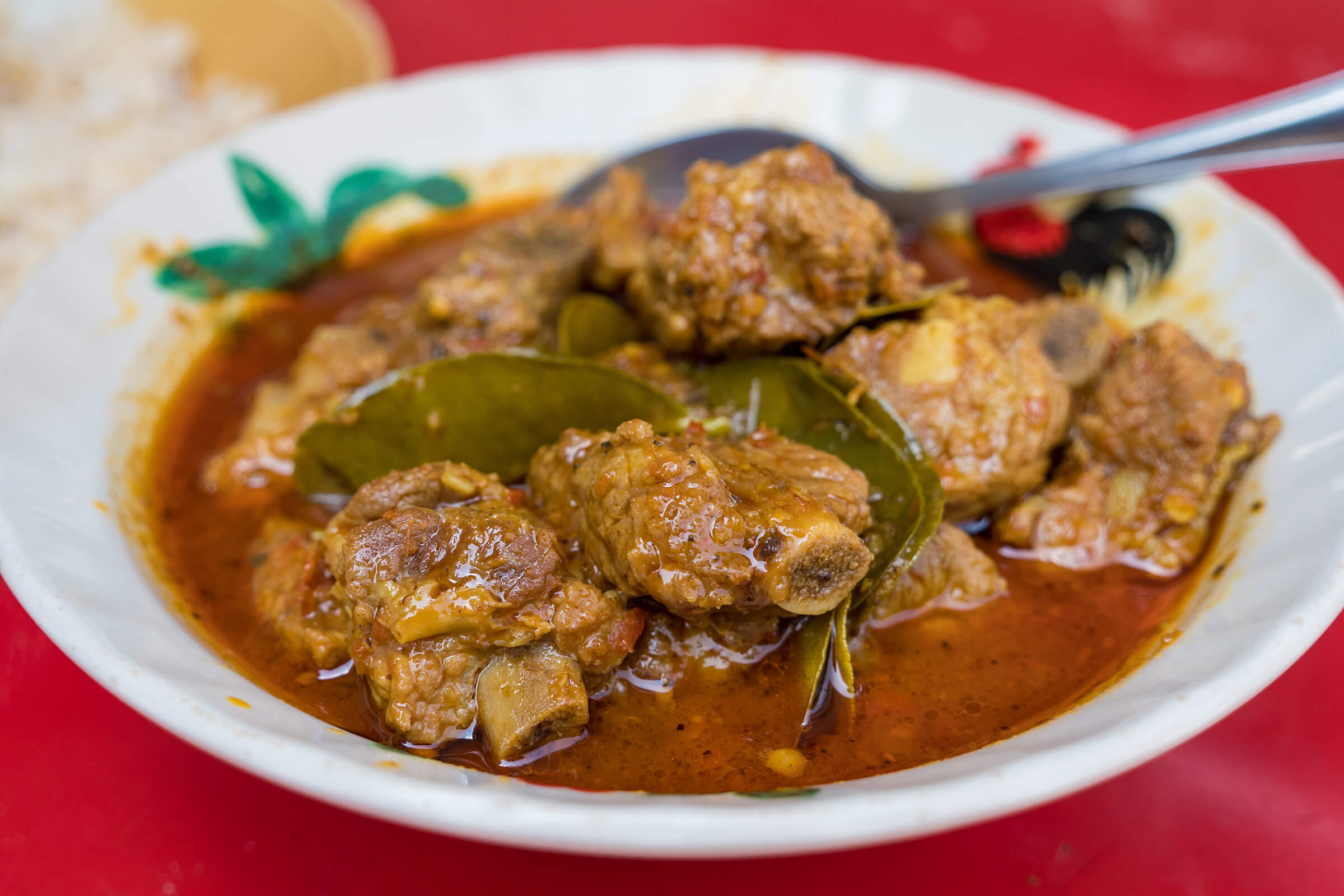
When the hour-long simmer is complete, the result is a deeply concentrated, highly aromatic Southern Thai dry chili curry. The sauce achieves a thick, clinging consistency, while the pork ribs attain a melt-in-your-mouth tenderness infused with layers of spice, galangal, lemongrass, and kaffir lime.
True to regional custom, the finished dish is transferred immediately to a serving bowl and brought to the table while piping hot. It is designed to be eaten alongside generous portions of fresh, steamed white rice, which serves to temper the unyielding heat of the chilies without muting their complex flavors.

By stripping away the softening influence of coconut milk, this family recipe offers an unfiltered glimpse into the vibrant, uncompromising world of Southern Thai gastronomy. It stands as a testament to the fact that patience, traditional techniques, and respect for raw ingredients remain the ultimate keys to unlocking authentic international flavors in a home kitchen.