Sport is increasingly influencing travel decisions and reshaping global tourism, emerging as a powerful economic driver that extends far beyond the traditional boundaries of leisure and recreation. According to the World Economic Forum’s Sports for People and Planet Insight Report, sports tourism officially accounted for an impressive 10 per cent of global travel expenditure. This profound shift in consumer behavior underscores how athletic competitions, from grassroots community gatherings to massive international spectacles, are no longer just supplementary attractions for destinations, but rather primary catalysts driving millions of travellers across borders.
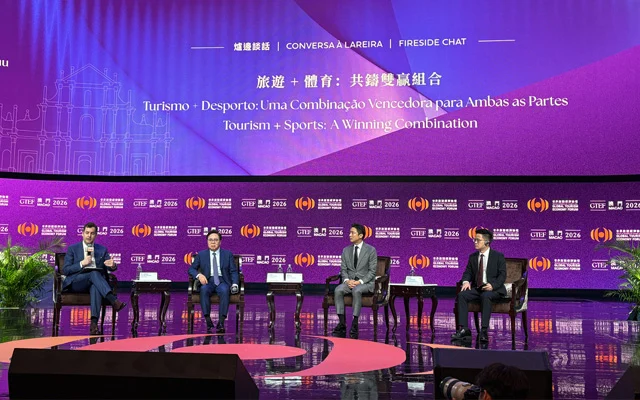
This dynamic intersection of athletics and economics took centre stage during a high-profile fireside chat at the 12th Global Tourism Economy Forum (GTEF) held in Macau. Industry leaders, government officials, and tourism experts gathered to discuss how sporting events successfully attract international and domestic visitors, stimulate localized spending, and deeply engage host communities. Rather than viewing sports merely as entertainment, the panellists explored the multifaceted ways in which mega-events and hyper-local tournaments alike can transform regional economies, test hospitality infrastructures, and foster civic pride.
The global dialogue at GTEF illuminated several distinct models of sports tourism, ranging from authentic rural traditions in mainland China to major commercial brand activations in Macau and international football festivals in Hong Kong. Each case study presented at the forum highlighted a unique approach to leveraging sports for tourism development, proving that whether an event is rooted in century-old community customs or backed by premier global sports brands, the ultimate success of sports tourism relies heavily on authenticity, accessibility, and community integration.
Highlighting the phenomenal rise of grassroots sports tourism, Wen Jiahong, deputy secretary of the Taijiang County Party Committee and county magistrate of the People’s Government of Taijiang County in Guizhou Province, China, shared insights into how localized tournaments have captured the public imagination. Events such as the Village BA, officially known as the Village Basketball Association, and the Village Super League have successfully drawn massive crowds of visitors, injecting substantial economic activity and generating vibrant local spending in a region previously less traveled by mainstream tourists.
Wen, who also serves as deputy secretary of the Party Working Committee and director of the Administrative Committee of the Guizhou Taijiang Economic Development Zone, attributed the staggering popularity of these rural sporting phenomena to their deeply rooted community foundations and uncommercialized spirit. Addressing the audience during the Macau forum, Wen emphasized that the core appeal of these tournaments is rooted in genuine cultural expression.
"I believe the key lies in one word: authenticity," Wen said, explaining to panellists and attendees that the players dribbling down the court, the spectators cheering from the sidelines, and the volunteers managing the grounds all come directly from the local villages. He noted that the region’s prominent Spring Festival basketball tournament traces its roots back nearly 90 years of continuous local participation and community involvement. Crucially, these events have maintained their grassroots ethos by offering free admission, avoiding corporate VIP facilities, and completely bypassing traditional commercial arrangements that often distance ordinary fans from the action.
While Guizhou’s rural tournaments draw power from cultural authenticity, other destinations are harnessing the immense pull of global sports brands to drive tourism and elevate their hospitality standards. In Macau, integrated resort operator Sands China has strategically utilized high-profile events such as the NBA China Games to engage both visiting tourists and the local community through immersive activities that extend far beyond the standard basketball match.
Wilfred Wong, executive vice chairman of Sands China, shared how these massive sporting properties provide exceptional value to the destination by creating an atmosphere of celebration. According to Wong, the events provided invaluable opportunities for aspiring local basketball players to meet former NBA stars face-to-face, alongside a robust schedule of community outreach activities organized in collaboration with local non-governmental organizations. The appeal of these activations was powerfully demonstrated by the NBA House, which successfully attracted an estimated 70,000 visitors over the course of just five days.
"The value in any strong global sports brand is its ability to create an opportunity for festivities and for the community to gather around it," Wong said. He further noted that hosting such complex international events serves as an ultimate stress test for Macau, evaluating the city’s operational readiness across a wide spectrum of areas, including public and private facilities, comprehensive hospitality infrastructure, and frontline service standards. By meeting the rigorous demands of global sports tourists, Macau continually enhances its reputation as a world-class tourism and leisure center.
A short journey away, Hong Kong is similarly leveraging the universal appeal of sport to draw international travellers and showcase its vibrant urban culture to the world. Through initiatives like the Hong Kong Football Festival, the city regularly brings legendary international football clubs to its shores. Recent iterations of the festival have featured premier teams such as Manchester City, Chelsea, Inter Milan, and Juventus, drawing legions of dedicated fans from across the region.
Eric Fok, chairman of the Football Association of Hong Kong, explained that the overarching vision of the football festival extends well beyond immediate tourism arrivals. While driving substantial visitor numbers is a primary objective, Fok stressed that the festival is equally designed to encourage grassroots sports participation, foster youth engagement, and introduce Hong Kong’s unique cultural landscape to wider international audiences.
"In addition to driving a lot of tourism, it is also how, through the event, people can actually participate, understand Hong Kong as a whole, and that is actually our objective," Fok said during the forum discussion. He highlighted the city’s ongoing, concerted efforts to secure and host international football tournaments, noting that such high-profile fixtures have a proven track record of strengthening community engagement, attracting passionate spectators from abroad, and projecting a dynamic image of Hong Kong onto the global stage.
Furthermore, Fok emphasized the critical importance of keeping these major sporting spectacles accessible to the local population. By maintaining affordable ticket prices and deliberately creating opportunities for local players and fans to interact with global stars before massive crowds, the organizers ensure that the economic and social benefits of tourism do not alienate the residents who call the city home.
Throughout the fireside chat at the Global Tourism Economy Forum, the consensus among the panellists was unequivocal. Sporting events of all scales—from the unpretentious village basketball courts of Guizhou to the polished global brand showcases in Macau and the high-octane international football festivals of Hong Kong—play an indispensable role in supporting modern tourism and sustained economic development. By promoting indigenous and local culture, attracting foreign and domestic investment, and unlocking new business opportunities across the hospitality and retail sectors, sports tourism continues to prove its worth. Above all, the leaders agreed that the long-term viability of any sports tourism strategy hinges on ensuring that the host communities remain the primary beneficiaries of the events unfolding in their own backyards.