For most people, the boundary between the land and the sea is a definitive line—a place where the earth ends and the ocean begins. However, for PADI AmbassaDiver™ and PADI Instructor Yumi Shirai, that boundary is merely a suggestion. As the founder and representative director of the Japan-based nonprofit organization MORE Planning, Shirai has spent years cultivating an environmental movement built on a singular, powerful premise: the mountains, the rivers, the oceans, and the communities that inhabit them are inextricably linked. In her view, a piece of discarded waste left deep in a forest today is not just a terrestrial eyesore; it is a future marine pollutant.
In recognition of her extraordinary efforts to bridge these environmental divides, Shirai has been named a recipient of the prestigious PADI Ocean Torchbearer Award. This honor is reserved for PADI Professionals who demonstrate exceptional leadership across the organization’s core Pillars of Change: Ocean Conservation, Dive Industry Sustainability, and People & Humanity. By mobilizing communities across the Izu Peninsula and beyond, Shirai is proving that effective conservation requires a holistic perspective that starts far inland.
The Philosophy of a Guest
Shirai’s journey into environmental advocacy began long before she founded her nonprofit. Her introduction to the ocean occurred as a high school student in Sydney, Australia, where she first experienced the profound silence and vibrant life of the underwater world. Like many who discover scuba diving, she was captivated by the sheer beauty of marine ecosystems. However, the experience left her with a philosophical shift that would define her career.
"I realized that the ocean is not a place where humans are naturally meant to live," Shirai explains. "Through scuba diving, we are given the rare privilege of visiting another world. That realization changed my perspective. Ever since then, I have considered myself not a resident of the ocean, but a guest."
This concept of being a "guest" serves as the ethical bedrock of her organization. In social etiquette, when one visits another person’s home, they do not leave trash, damage property, or take what does not belong to them. Shirai argues that the same standards of respect and gratitude should apply to the underwater environment. For her, conservation is not a chore or a specialized activity; it is a fundamental act of courtesy toward a world that grants us access to its wonders.
Connecting Mountain, Ocean, River, and Earth
The name "MORE" is an acronym standing for Mountain, Ocean, River, and Earth. This framework was born out of a stark realization Shirai had while witnessing the impact of human waste on the seafloor. During her dives, she frequently encountered debris that had no business being in the ocean—specifically, tools once used for wasabi farming in the high mountains. Seeing these items on the seabed, miles from where they were originally used, illustrated a grim reality: water acts as a conveyor belt for human negligence.
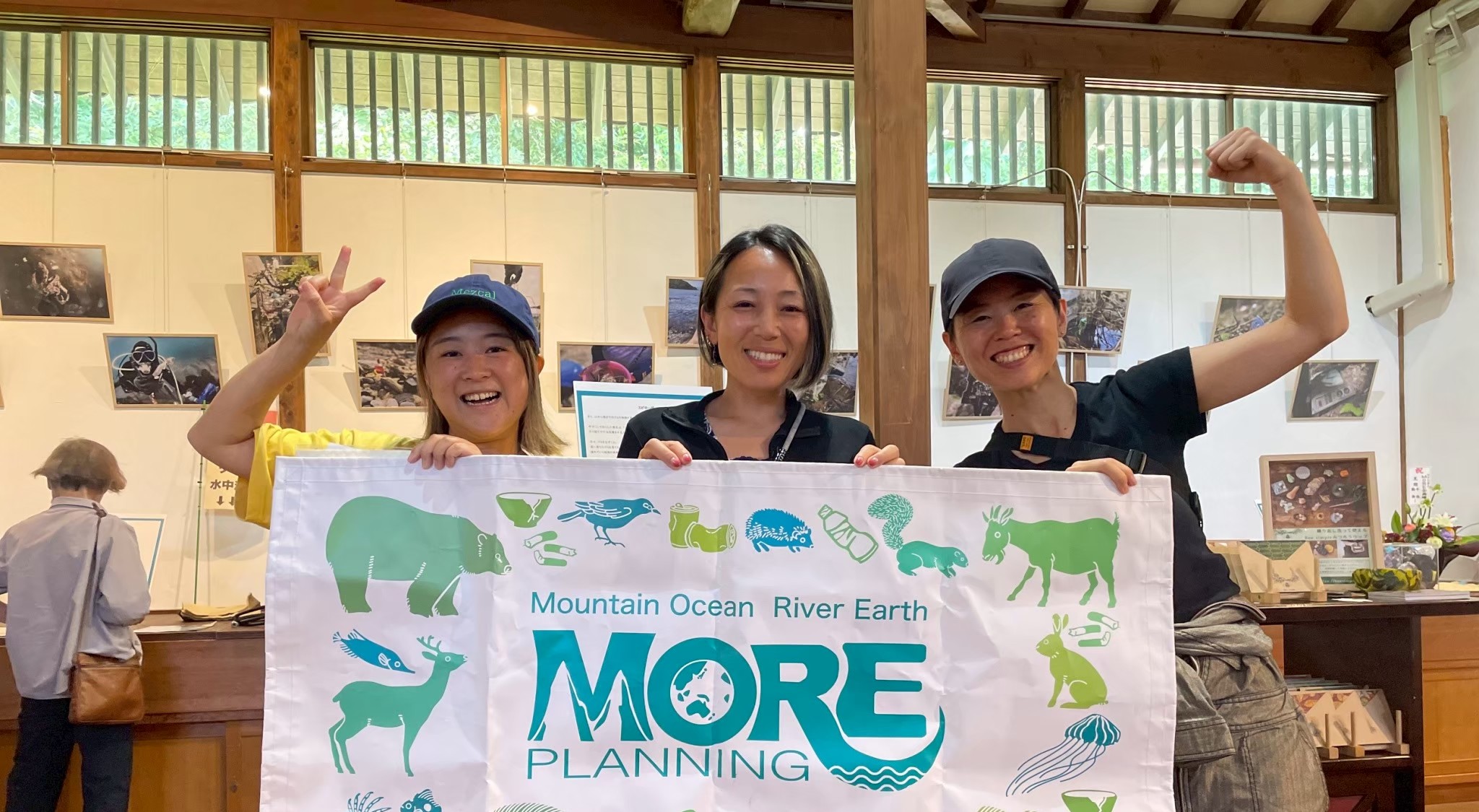
"At that moment, I realized nature does not recognize the boundaries we create," she says. "Water flows from the mountains to the rivers and then to the sea. What happens in one place inevitably affects another."
Through her cleanup operations, Shirai’s team has recovered an alarming array of items from mountain ecosystems and waterways, including bicycles, computers, rice cookers, and even abandoned vehicles. These findings have solidified her belief that focusing solely on beach cleanups is insufficient. While beaches are the final destination for debris, they are not the source. By targeting the entire path—from the mountain to the sea—MORE Planning aims to stop pollution at its origin rather than just addressing the symptoms once they reach the shoreline.
The Diver’s Unique Responsibility
As a leader in the diving community, Shirai is deeply invested in defining the role that divers play in global conservation efforts. She believes that because divers are among the few who witness the degradation of the ocean firsthand, they hold a unique position as both witnesses and storytellers.
"I want to share and work with divers on what only divers can do and what we must do because we are divers," she says. She notes that while many people can appreciate the beauty of a reef through documentaries, only a diver can see the discarded fishing gear or the bleached coral structures hidden beneath the surface. If those who see these realities remain silent, an essential part of the environmental story is never told.
However, Shirai is careful to emphasize that the role of the diver is not strictly to be an underwater janitor. While removing marine debris is a noble and necessary pursuit, she believes that the primary responsibility of the diver is to interact with the ocean in a way that is inherently respectful and non-destructive.
Empowering Through Education: MORE SCHOOL
To translate passion into action, Shirai established "MORE SCHOOL," an educational initiative designed to provide divers with the necessary training to conduct conservation work safely. She observed that many divers entered the sport with a genuine desire to help, but lacked the technical knowledge to remove heavy or hazardous debris without risking their own safety or damaging the surrounding marine habitat.
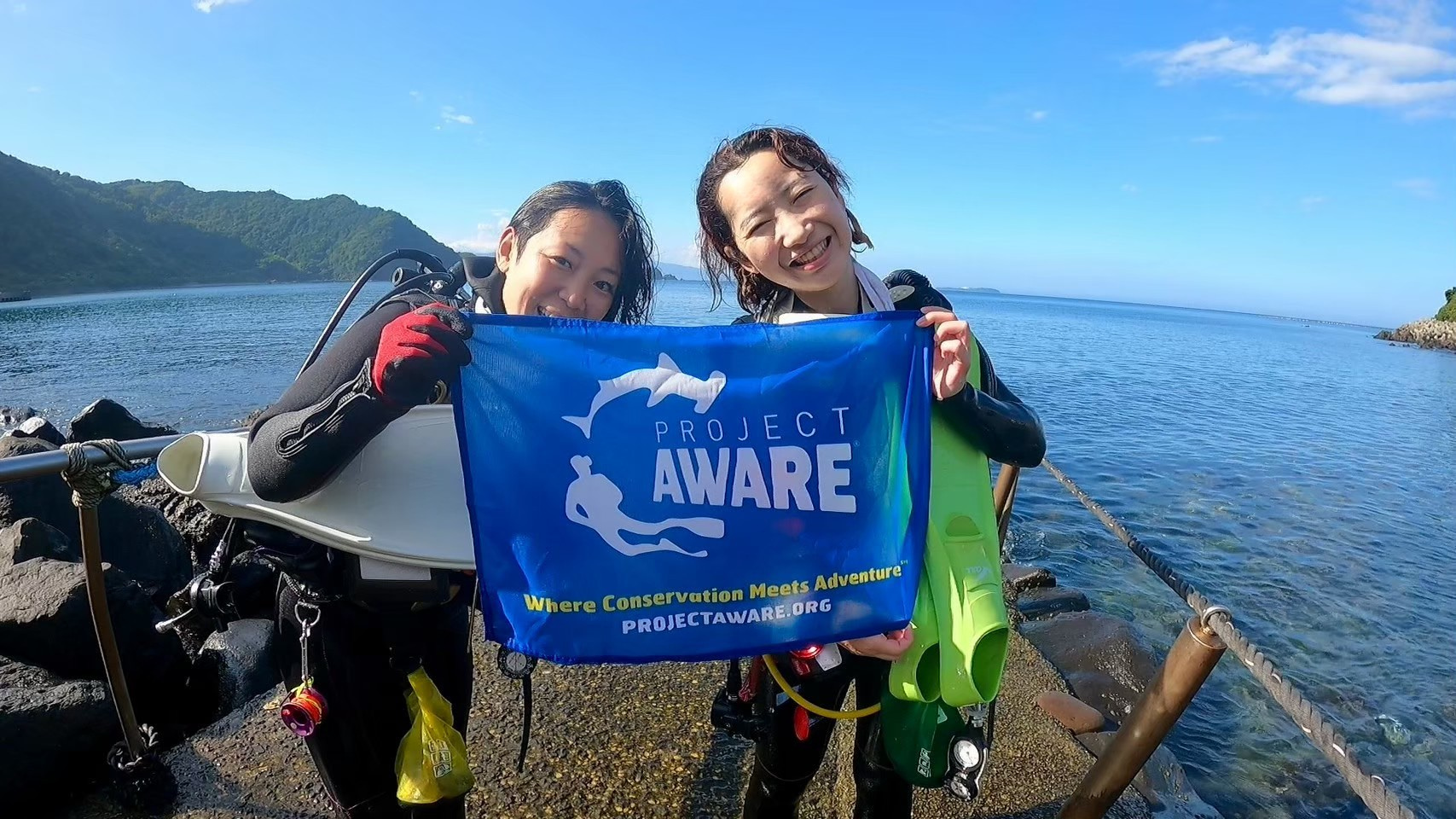
"Removing underwater debris requires more than good intentions," Shirai explains. "It requires knowledge, proper training, and a strong commitment to safety. No piece of trash is worth risking your own safety or your buddy’s."
MORE SCHOOL functions as a bridge, teaching environmental awareness alongside practical cleanup techniques. By professionalizing the process of underwater conservation, she is not only cleaning the ocean but also fostering a new generation of divers who view their hobby as an opportunity for stewardship. This integration of education and action is, in her view, vital for the long-term sustainability of the dive industry.
Building a Lasting Legacy
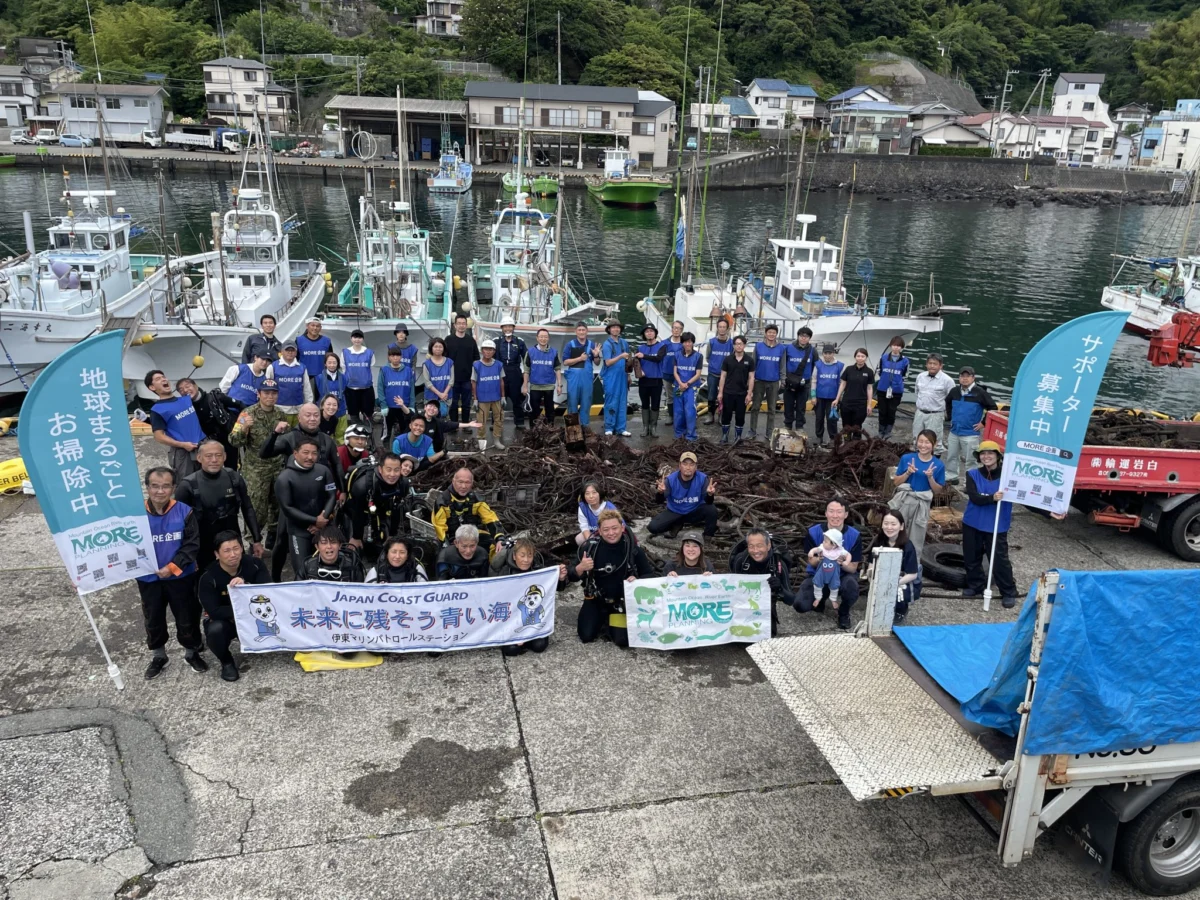
The impact of Shirai’s work is perhaps best exemplified by the Izu Peninsula Marine Debris Cleanup Project, which launched in 2024. In a remarkably short period, the project has mobilized over 500 volunteers across 13 ports and marinas. The numbers are impressive, with each event yielding between 500 kilograms and three tons of debris. Yet, for Shirai, the true success is not measured in weight, but in the attitude of the volunteers.
"What makes me proud is not simply the amount of debris we recover; it is watching participants spend an entire day lifting heavy, dirty, foul-smelling debris, only to finish with smiles on their faces," she shares. "Most people could live their lives without ever thinking about the trash resting beneath the surface. Yet hundreds of people choose to spend their time helping anyway. That gives me hope."
Looking toward the future, Shirai is focused on the long-term sustainability of her organization. She aims to see the MORE Planning model replicated in other regions across Japan, with the ultimate goal of ensuring that every port and marina on the Izu Peninsula is part of a permanent, sustainable cleanup network.
Ultimately, Shirai’s vision for the future is one where conservation is not an exceptional event, but a cultural norm. She emphasizes that people are more likely to protect the places they feel connected to, and by inviting others to engage with the natural world—and by extension, take responsibility for it—she is building a legacy of stewardship. Through her work, Yumi Shirai continues to remind us that we are all guests on this planet, and the health of our oceans is a reflection of the care we take in every environment, from the mountain peak to the deep blue sea.