When most travelers think of America’s protected natural wonders, iconic landscapes like Yellowstone National Park and the Grand Canyon immediately come to mind. These heavyweights of the National Park System pull in staggering crowds year after year, with Yellowstone drawing over four million visitors and the Grand Canyon welcoming more than six million in 2018 alone. While these celebrated destinations offer breathtaking vistas and world-class tourism infrastructure, they are rarely described as peaceful retreats or hidden gems.

For travel enthusiasts seeking a different kind of adventure—one defined by solitude, untouched coastlines, and pristine marine ecosystems—the broader landscape of federally protected land offers plenty of alternatives. Within the official roster of 61 designated National Parks in the United States, dozens of lesser-known locations fly completely under the radar of mainstream tourism. A recent compilation by Reservations.com highlighted 20 of the least-visited National Parks in the country, bringing much-needed attention to these overlooked sanctuaries. Among them, four unique coastal and island parks stand out, offering secluded beaches, dramatic landscapes, and a wealth of outdoor activities far from the bustling tour buses of the more famous reserves.
Channel Islands National Park, California
Despite being located in the heavily populated and widely visited state of California, Channel Islands National Park remains a remarkably quiet refuge. Encompassing a series of isolated islands off the Southern California coast, the park acts as a vital sanctuary for numerous native species while meticulously preserving a wide array of fragile natural resources.

Visitors to the islands are encouraged to craft their own itineraries, taking advantage of a diverse array of recreational opportunities. From boating and scuba diving in the chilly, nutrient-rich Pacific waters to rugged hiking and coastal camping, the park caters to travelers seeking an active, self-guided getaway. The surrounding marine environment is a major draw for wildlife enthusiasts. Dolphins, sea lions, harbor seals, and massive northern elephant seals thrive in the offshore waters, alongside migrating whales. For adventurers looking to step away from the mainland and immerse themselves in a rugged, marine-dominated ecosystem, the Channel Islands provide a striking and accessible escape.
Dry Tortugas National Park, Florida
Located nearly 70 miles west of Key West, Florida, Dry Tortugas National Park offers a distinct blend of remote island geography and military history. At the center of the park lies Fort Jefferson, a massive 19th-century coastal fortress featuring a hexagonal design and a surrounding saltwater moat. Originally constructed to protect the nation’s shipping lanes, the sprawling brick structure gives visitors the distinct impression of exploring a historical wonder straight out of an adventure novel, complete with fortifications originally engineered to defend against pirates.

Beyond the historical significance of Fort Jefferson, the park is celebrated for its brilliant, crystal-clear turquoise waters and vibrant marine life. True to its name—derived from the Spanish word for turtles—the park serves as a critical nesting habitat for several species of sea turtles. Snorkelers and divers exploring the shallow coral reefs and surrounding waters can frequently spot nurse sharks, American crocodiles, colorful schools of tropical fish, and a rich variety of native and migratory birds. Accessible only by boat or seaplane, the Dry Tortugas combine remote island tranquility with unique historical architecture.
Isle Royale National Park, Virginia and Michigan Context
Far to the north, nestled in the rugged waters of Lake Superior, lies Isle Royale National Park. Unlike the sun-drenched shores of Florida or the Pacific coast, Isle Royale offers a uniquely secluded island wilderness experience that redefines the traditional concept of a beach getaway. Reaching the park requires a journey by boat or seaplane, ensuring that only the most dedicated travelers make the trek.

Once there, visitors find themselves exploring an archipelago consisting of over 400 distinct islands. The park features rocky shorelines, quiet beaches, and vast expanses of deep-water habitats that draw anglers from across the country. For scuba diving aficionados, the cold freshwater of Lake Superior acts as an underwater museum, preserving more than 10 major shipwrecks that now serve as artificial reefs and attract fascinating aquatic life. The park’s remote character and sprawling island geography make it an ideal destination for multi-day backcountry expeditions and deep wilderness exploration.
Virgin Islands National Park, U.S. Virgin Islands
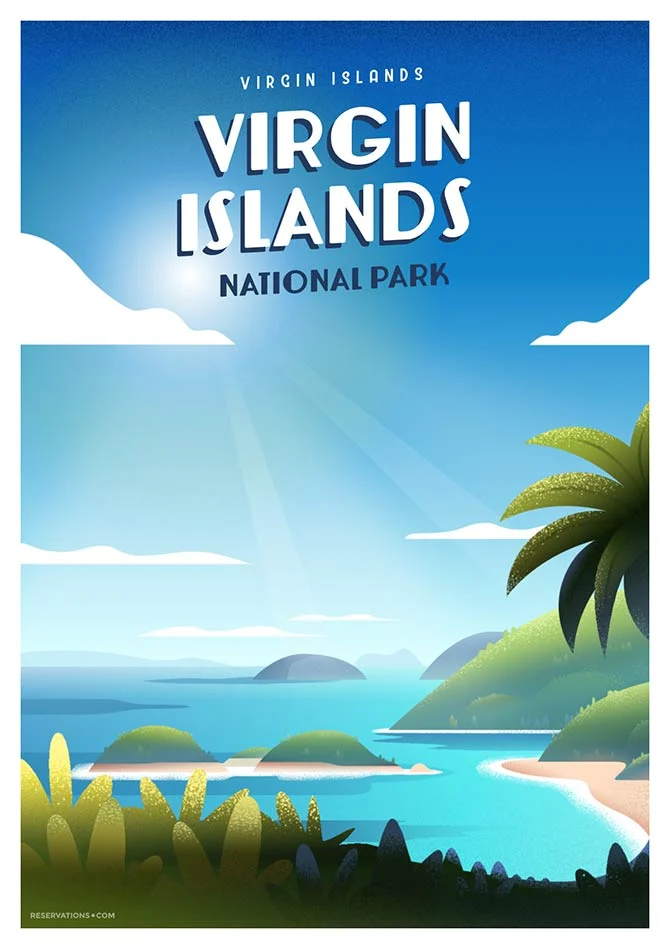
For travelers searching for a tropical Caribbean sanctuary without the logistical hurdles of international travel, Virgin Islands National Park provides an ideal balance. Situated within the U.S. territory in the Caribbean, the park protects a significant portion of the island of St. John, offering miles of silky white-sand beaches, lush tropical forests, and sweeping scenic overlooks.

The park is particularly well-suited for travelers who prefer an active vacation. With a network of well-maintained hiking trails winding through historical plantation ruins and elevated viewpoints, alongside protected bays ideal for snorkeling, visitors are encouraged to pack both their hiking boots and underwater gear. By combining the natural beauty of the Caribbean with the conservation framework of the National Park Service, the destination delivers a unique blend of ecological preservation and outdoor recreation under the American flag.