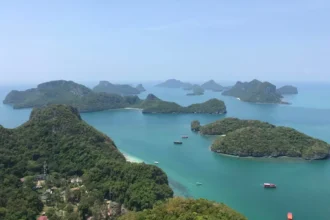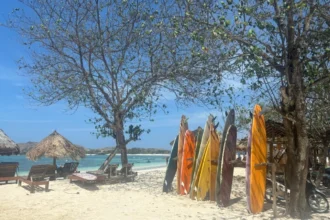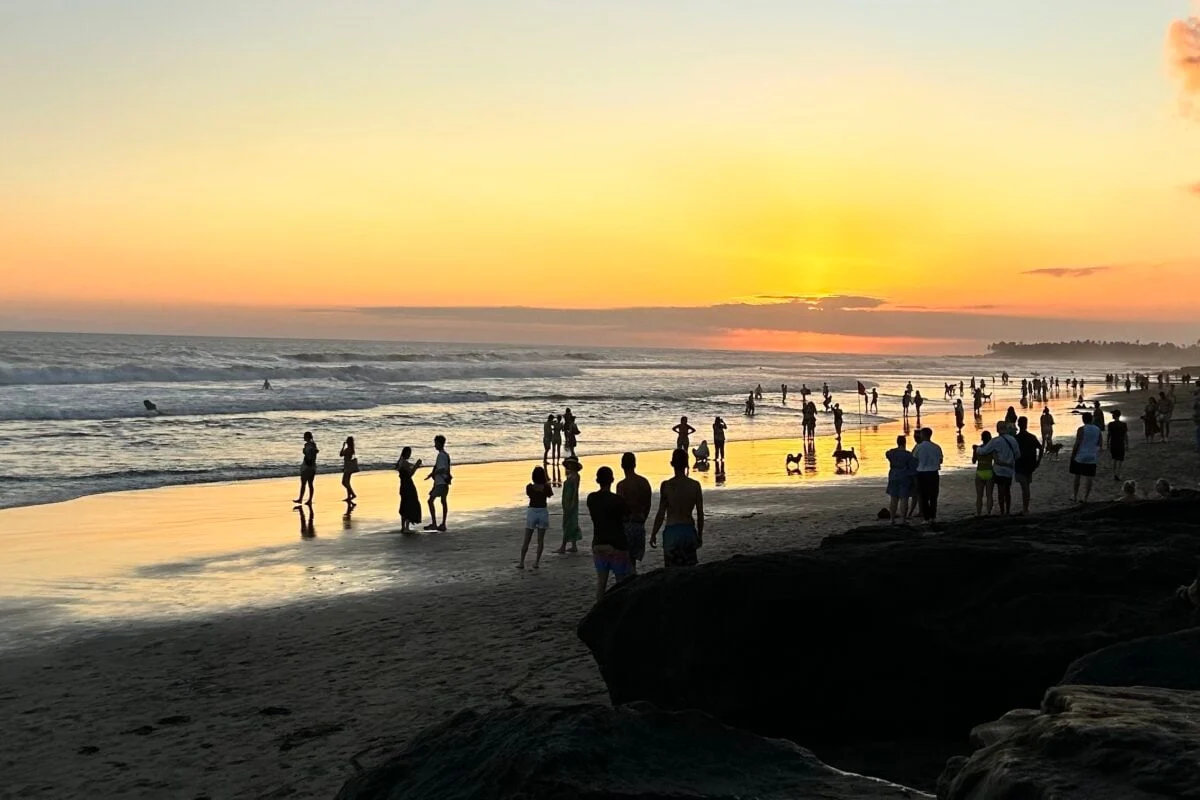
Indonesia is a nation as culturally and geographically diverse as it is vast. Spanning a sprawling archipelago of more than 17,000 islands, the country offers travelers an astonishing range of landscapes, from misty rainforests and rumbling volcanoes to deserted tropical shores and tumbling waterfalls. Beyond its striking scenery, Indonesia boasts unique wildlife, world-class diving sites, epic surf breaks, and fabulous hiking trails that could easily take a lifetime to fully explore.
For travelers trying to decide where to begin their journey, the sheer scale of the destination can feel somewhat daunting. To help visitors make the most of their time in the region—whether they have ten days, a month, or somewhere in between—travel experts have outlined three distinct itineraries focusing on the most popular islands and travel hubs, including Sumatra, Java, Bali, Lombok, and Flores.

The 10-Day Itinerary: The Ultimate Hit List
With a limited timeframe of ten days, travelers are best advised to focus on a few iconic destinations concentrated around Bali and its immediate surrounding islands.
The journey often begins in Canggu, situated roughly an hour from Bali’s international airport. While heavily frequented by travelers and digital nomads, Canggu offers a distinct alternative to the over-touristed streets of Kuta or the upscale commercialism of Seminyak. For those seeking a quieter base close to the action, the neighboring village of Pererenan provides a more tranquil atmosphere while keeping visitors within easy reach of the area’s popular beach clubs and cafes.

By days four through six, travelers typically transition inland to Ubud, widely regarded as Bali’s cultural heartland. Situated amidst a sea of lush rice fields, Ubud serves as a renowned regional center for spirituality, traditional arts, and wellness retreats.
The final stretch of the ten-day itinerary takes visitors just off Bali’s southeast coast to the rugged islands of Nusa Penida or the smaller, more laid-back Nusa Lembongan. Nusa Penida is celebrated for its dramatic, undeveloped landscapes and sweeping viewpoints, while Nusa Lembongan offers a relaxed island vibe, calm beaches, and accessible offshore surf breaks. Travelers must then factor in a full final day to return to mainland Bali in preparation for their onward or homebound flights.

The Two-Week Itinerary: Diving, Surfing, and Nightlife
For those with two weeks to spare, an expanded route allows visitors to combine Indonesia’s most accessible surf destinations with premier snorkeling spots and vibrant nightlife hubs.
The journey commences once again in the buzzing enclave of Canggu, where novice surfers frequently enroll in specialized surf camps to master the local waves. From there, travelers head south to the Bukit Peninsula to explore Uluwatu. Known for its dramatic limestone cliffs, Uluwatu balances world-class surf breaks during the day with an energetic social and party scene after dark.

Moving eastward across the water, the itinerary leads to the Gili Islands off the north coast of Lombok. Travelers seeking high-energy nightlife often gravitate toward Gili Trawangan, affectionately known as Gili T, while those desiring a more peaceful island retreat frequently choose the smaller, chilled-out shores of Gili Air.
The final leg of the two-week route brings visitors to Kuta, Lombok. As Bali’s neighboring sister island, Lombok retains much of the laid-back charm of yesteryear, featuring a jungled, waterfall-dotted interior and an active volcano. Kuta, Lombok—a former fishing village turned thriving surfer hotspot—serves as the ideal base for exploring the region’s diverse waves before travelers depart via Lombok’s international airport, located just twenty-five minutes away.

The One-Month Itinerary: Nature, Culture, and Wildlife
Travelers fortunate enough to have a full month can venture far beyond the standard tourist trail to experience Indonesia’s most spectacular natural landscapes, encounter endemic wildlife, and immerse themselves deeply in the nation’s rich cultural heritage.
The month-long journey typically begins in the North Sumatran city of Medan, serving as the main entry point to the island. From there, travelers journey directly to Bukit Lawang, the gateway to the sprawling Gunung Leuser National Park, where guided eco-treks offer opportunities to observe endangered orangutans in their natural rainforest habitat.

Continuing deeper into the Sumatran highlands, visitors pass through the rural agricultural town of Berastagi before arriving at Lake Toba. As the largest volcanic crater lake on Earth, Lake Toba is culturally significant as the historical homeland of the Batak people, offering serene vistas and deep historical roots.
From Sumatra, travelers catch a flight south to Java, landing in the capital of Jakarta to catch a glimpse of the historic Dutch quarter of Old Batavia. A scenic train ride then carries visitors onward to Bandung, historically celebrated as "The Paris of Java," before arriving in Yogyakarta, the island’s cultural and digital nomad capital. Yogyakarta serves as the primary base for exploring magnificent nearby heritage sites, including the world-famous ancient temples of Borobudur and Prambanan.

The Javanese leg of the journey concludes with an expedition across East Java to witness the dramatic volcanic landscapes of Mount Bromo and the blue flames of Kawah Ijen. Travelers then return to Bali for a brief period of relaxation in Ubud and the cooler northern highlands of Munduk, known for its tranquil countryside and mountain lakes.
The final days of the month-long adventure focus on the remote island of Flores and the adjacent Komodo National Park. Adventurous travelers often opt for a multi-day seafaring journey from Lombok to Flores, sailing through breathtaking Indonesian straits. Alternatively, visitors can take a short flight from Bali to Labuan Bajo, utilizing it as a base for speedboat excursions into the national park to view the legendary Komodo dragons before making the final return journey to Bali for international departure.