Today**
The mid-20th century marked a profound period of cultural awakening, intellectual experimentation, and artistic reinvention across the Arab world. At the epicenter of this creative transformation was the Baghdad Modern Art Group, a pioneering collective established in 1951 by two of Iraq’s most influential artists and theorists, Jewad Selim (1919–1961) and Shakir Hassan Al Said (1925–2004). What began as a collaborative vision between two visionary painters soon expanded into a vibrant nexus that engaged many of Iraq’s leading artists, architects, poets, and intellectuals. Together, they sought to forge a distinctive new art form—one that successfully negotiated a globally inflected modernism rooted directly in Baghdad, an ancient Abbasid city established in 762 CE that traces its rich historical lineage straight back to the foundational civilizations of ancient Mesopotamia.
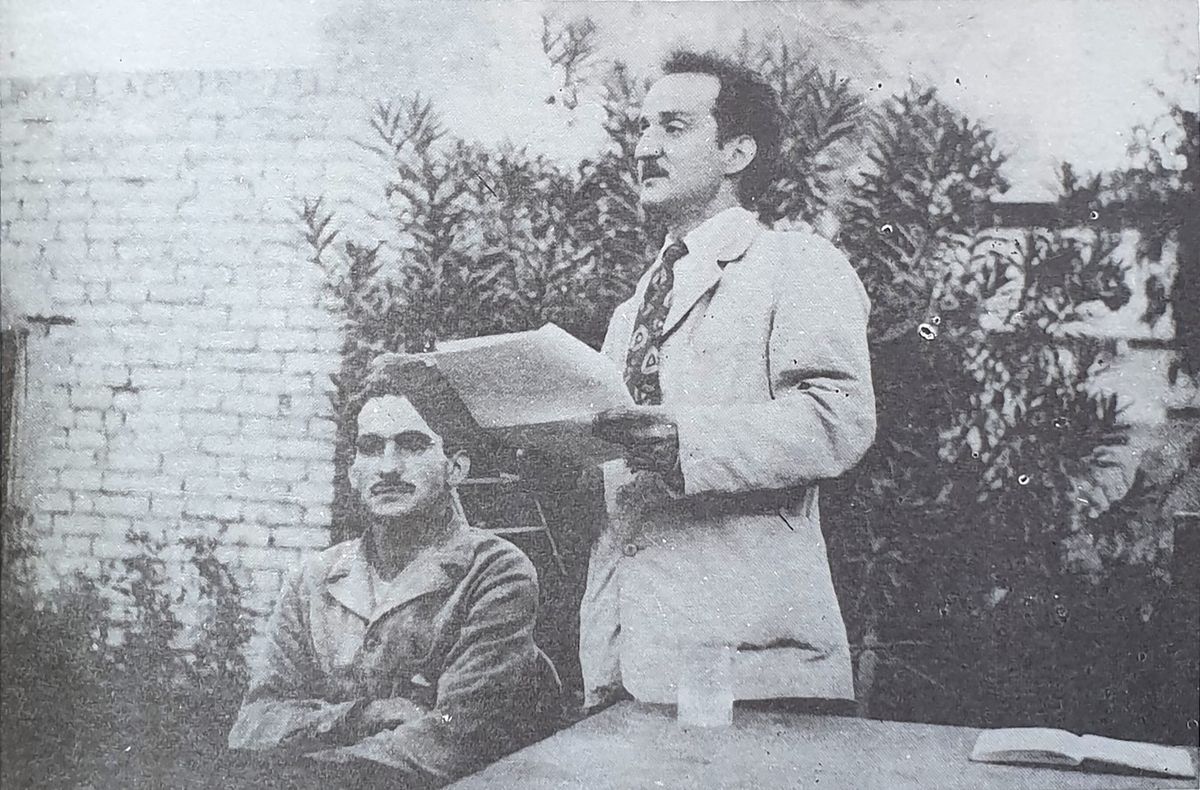
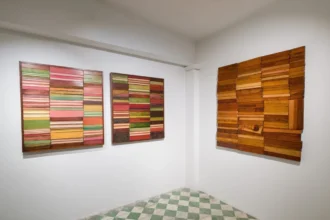
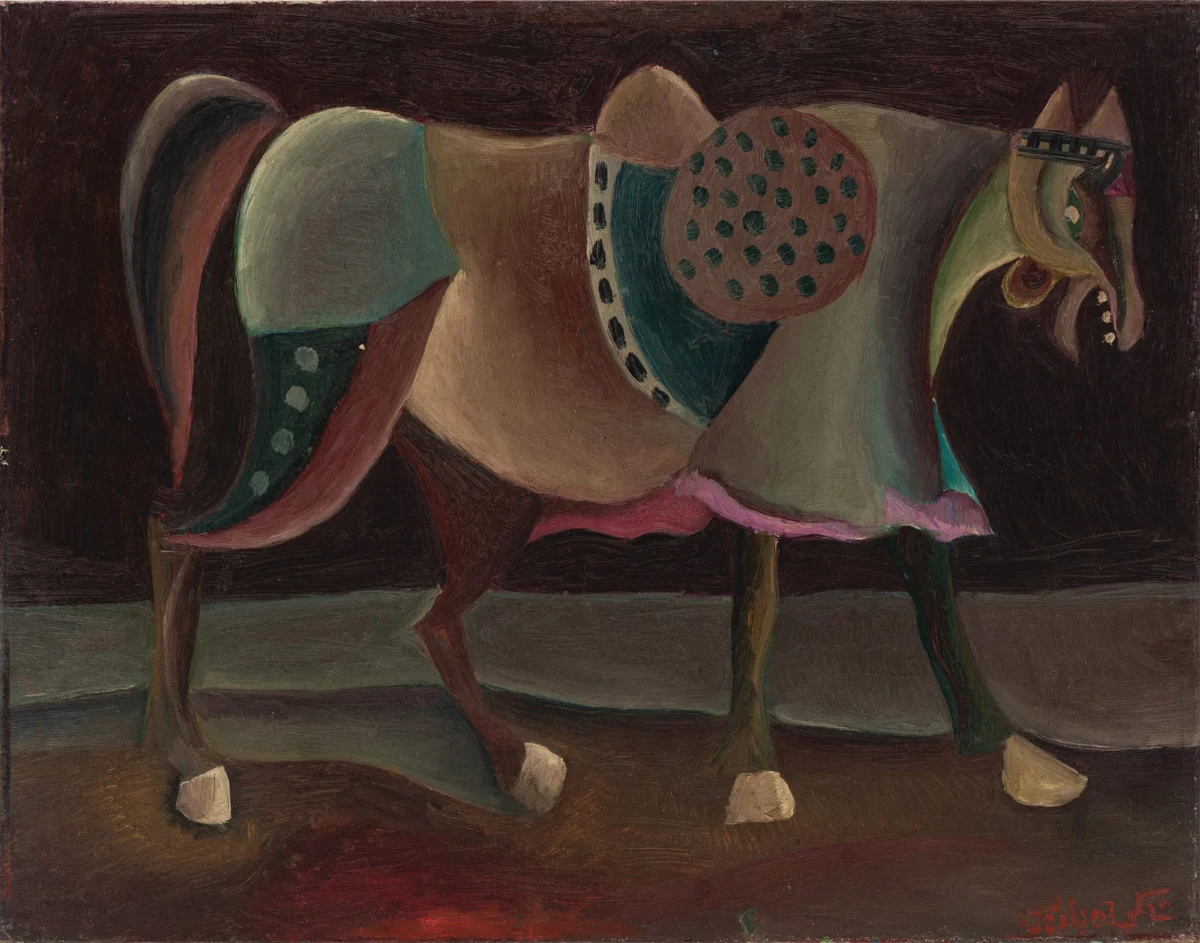
In a landmark exhibition curated by Dr. Nada Shabout, this pivotal artistic circle is brought back into sharp focus. The exhibition bridges generations by bringing together the original members of the Baghdad Modern Art Group alongside contemporary practitioners whom their work influenced, both during the height of the movement and across the decades up to the present day. This comprehensive exploration serves as a living archive, demonstrating how the experimental ethos and philosophical framework established in Baghdad decades ago continue to resonate dynamically across the region, particularly within the contemporary art landscape of the United Arab Emirates.
The historical backdrop of this artistic movement is deeply intertwined with shifting geopolitical realities. Following the formation of the Kingdom of Iraq in 1932 as an independent state, Iraqi artists found themselves navigating the uncharted parameters of a newly emerging, secularized society. This sociopolitical evolution came in the wake of British maneuvering to dismantle the Ottoman Empire, leaving local intellectuals to redefine their collective identity on their own terms. Within this transitional environment, artists began to critically question the capacity of traditional Islamic art practices to adequately express and represent their contemporary realities. They actively searched for a more dynamic and effective visual language that could speak to both their immediate environment and the broader world. In this context, modern art provided a vital conduit for exploration, serving as a global space of shared humanity where local heritage could converse with universal aesthetic currents.
Many of these Iraqi artists pursued their formal training at prominent art academies primarily located in Western Europe. During their time abroad, they encountered their own ancient heritage housed within European museums, prompting a deep-seated realization regarding modernism’s diverse roots in various non-Western cultures. Far from feeling alienated, these artists became eager to make their own distinct contributions to the ongoing development of global modernism. Simultaneously, they remained acutely conscious of their pivotal role in building a newly formed nation amidst broader international decolonization processes. Consequently, their artistic practices involved a rigorous unpacking of the nation’s deep history, driven by an urgent desire to identify and articulate a collective sense of "Iraqiness" that could unite the diverse factions of modern society.
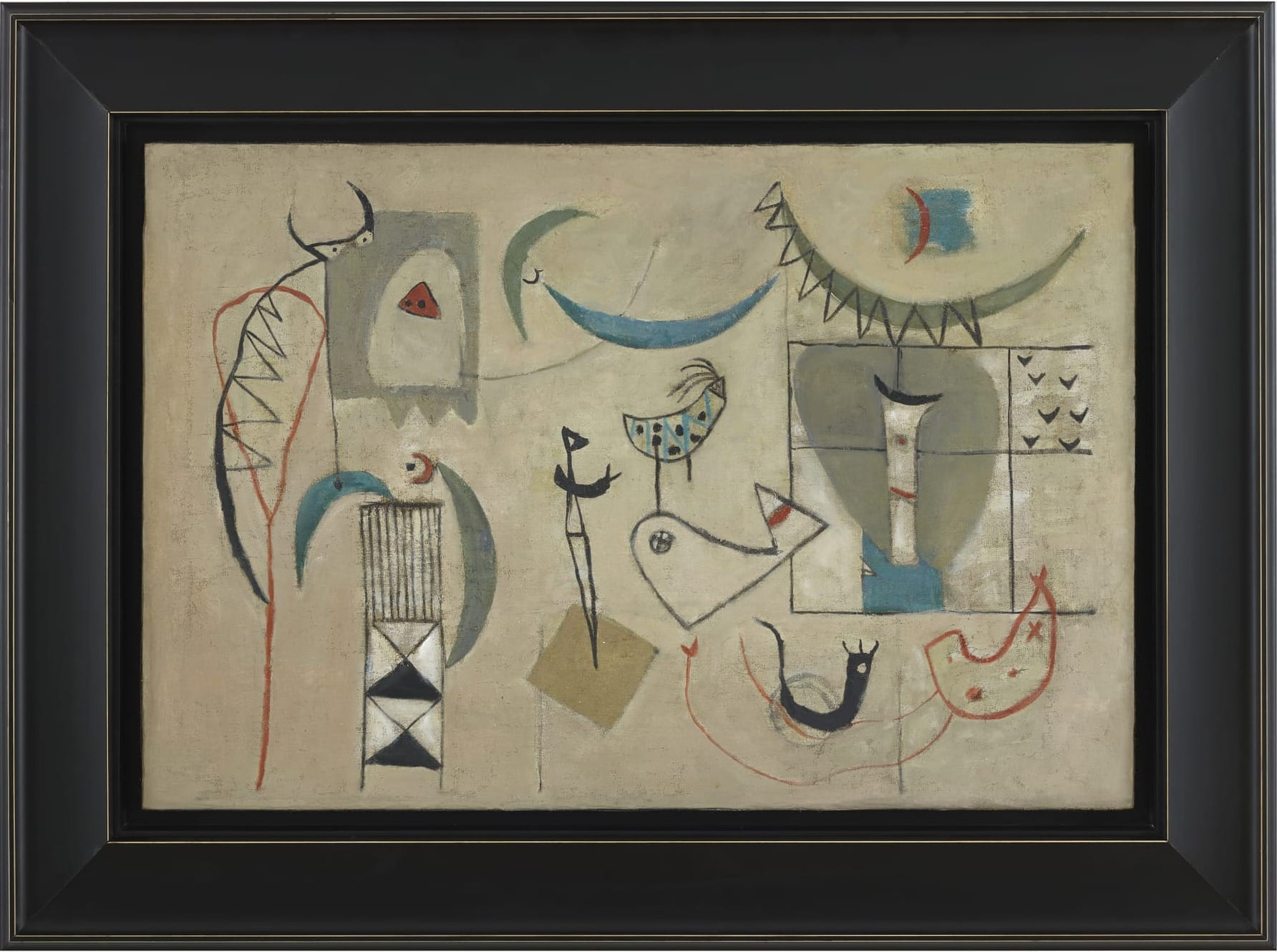
Various artist groups launched ambitious initiatives during this era to convey the vital importance of national representation through culture. These efforts included actively promoting the modern art movement throughout Iraq, fostering public engagement, and establishing foundational standards of art criticism and theory. This dynamic period effectively laid the groundwork for Iraq’s celebrated golden age of the 1950s—a time of artistic maturation for a generation of practitioners who were instrumental in setting rigorous professional standards. By doing so, they charted entirely new aesthetic possibilities for all the generations that would follow.
The experimental ethos pioneered by the Baghdad Modern Art Group continues to reverberate today, transcending geographic boundaries to connect contemporary Iraqi artists scattered around the world. This enduring connectivity is a central theme championed by scholars and curators dedicated to preserving and reinterpreting the region’s rich cultural heritage.
Dr. Nada Shabout, the creative and academic force behind this curatorial vision, has published widely on modern and contemporary Arab and Iraqi art, earning international recognition for her scholarship and numerous curated exhibitions. Expanding her academic footprint, Dr. Shabout has joined NYU Abu Dhabi as a Senior Investigator at the al Mawrid Arab Center for the Study of Art, as well as a visiting professor of Art History. Furthermore, her institutional leadership includes serving as the founding president of the Association for Modern and Contemporary Art from the Arab World, Iran, and Turkey (AMCA) and the founding director of the Modern Art Iraq Archive (MAIA). Her ongoing research and curatorial work ensure that the foundational contributions of 20th-century Iraqi masters remain an active, vital part of contemporary artistic discourse.
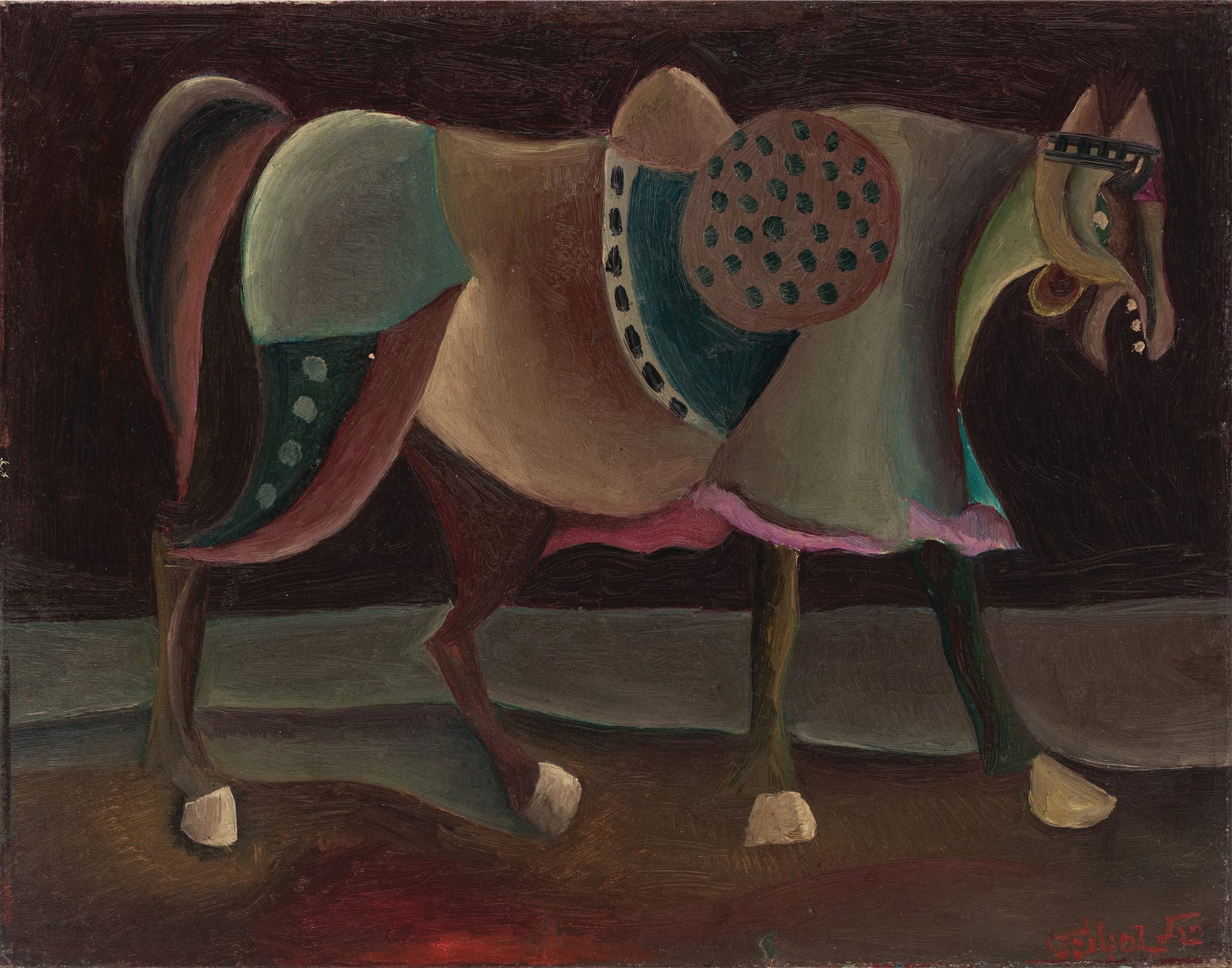
The exhibition features an extensive roster of influential artists whose practices reflect the enduring legacy of this modernist movement, including Faraj Abbo, Sadik Kwaish Alfraji, Himat Mohammad Ali, Rasoul Alwan, Suad al-Attar, Qahtan Awni, Dia al-Azzawi, Bogus Bablanian, Amar Dawod, Ghassan Ghaib, Faiq (Faeq) Hassan, Mohammed Ghani Hikmat, Jabra Ibrahim Jabra, Rand Abdul Jabbar, Fouad Jihad, Saadi Al Kaabi, Ardash Kakafian, Salma Khoury, Hanaa Malallah, Mahmoud Obaidi, Widad al-Orfali, Khalid al-Rahal, Kareem Risan, Miran al-Saadi, Mahmoud Sabri, Naziha Salim, Nizar (Nazar) Salim, Shakir Hassan Al Said, Delair Shaker, Jewad Selim, Lorna Selim, Walid Siti, Ismail Fattah (Al-Turk), Madiha Umar, Khalil al-Ward, and Nazar Yahya.