a Budget: How Backpackers Can Experience Japan’s Capital Without Breaking the Bank**
Japan has rapidly transformed into one of the most sought-after stops on the international backpacker circuit, with Tokyo sitting at the beating heart of this tourism surge. A metropolis defined by its striking juxtaposition of neon-lit skyscrapers, serene ancient temples, and a world-renowned culinary scene, Tokyo genuinely offers something for every type of traveler. Yet, the city carries a persistent reputation for being prohibitively expensive. According to recent travel insights and firsthand accounts from globetrotters like freelance writer and educator Alessa Hickman, navigating Tokyo’s endless highlights and hidden gems on a modest budget is entirely achievable with a bit of insider knowledge and strategic planning.

A comprehensive one-week itinerary through Japan’s sprawling capital reveals that experiencing the city’s finest neighborhoods, cultural sights, and culinary hotspots does not require an extravagant bank account. From iconic vantage points like the world-famous Shibuya Crossing to budget-friendly public bathhouses and unforgettable neighborhood explorations, a well-paced journey can provide an authentic taste of Tokyo while keeping expenditures firmly under control.
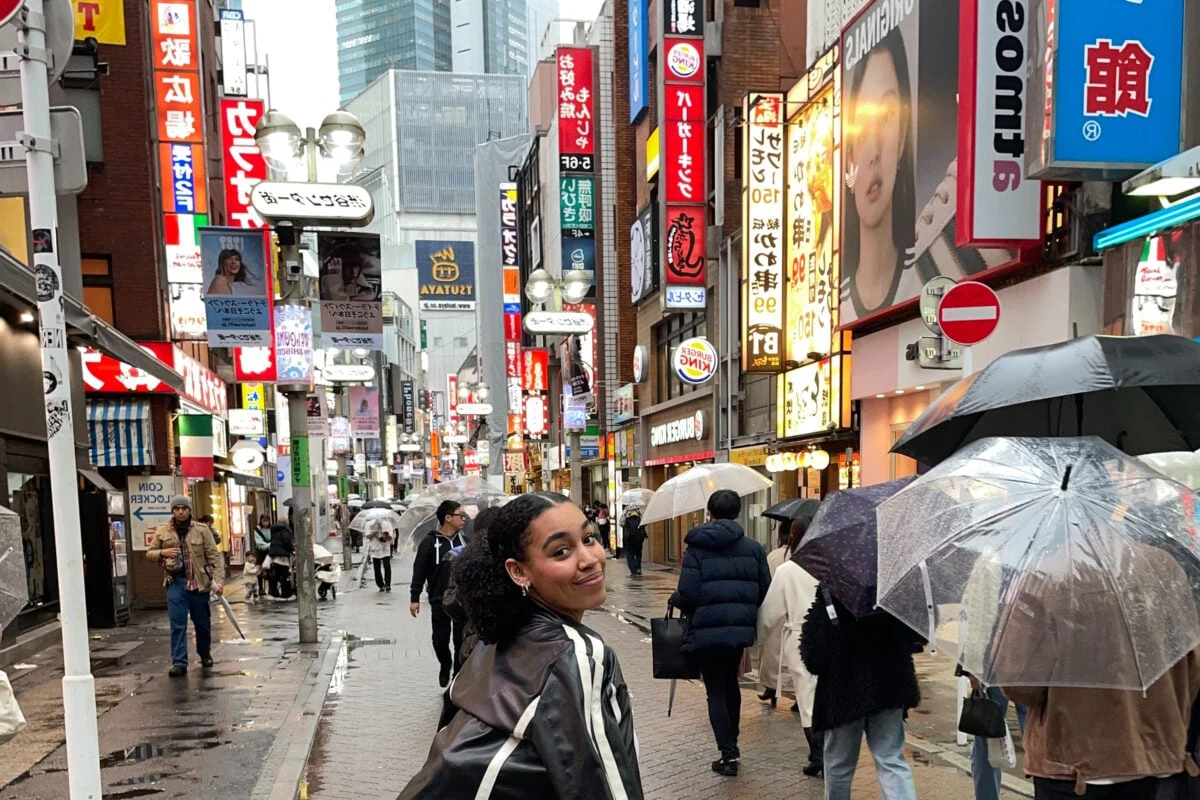
The adventure typically begins in Shibuya, one of the city’s most vibrant and kinetic districts. At the center of it all lies the legendary Shibuya Crossing, a completely free-to-experience spectacle that captures the absolute electric pulse of Tokyo. Standing at the edge of what is widely considered one of the busiest pedestrian intersections in the world offers an unforgettable introduction to the city. Travelers looking for an elevated view without paying high observation deck fees often head to the second-floor Starbucks within Shibuya Tsutaya or utilize the Shibuya Mark City walkway, both of which provide prime perspectives of the organized chaos below.
Beyond the crossing, the surrounding streets offer hours of urban exploration. Retail complexes like Magnet 109 house trendy shops alongside dedicated One Piece and Hello Kitty stores, while Shibuya Parco serves as a multi-level haven for diners, hobby enthusiasts, and fashion seekers. For anime, gaming, and pop culture fans, destinations like Nintendo Tokyo and the official Pokémon Center are major draws, complemented by various creative art galleries and event spaces.

Just a short walk from Shibuya lies Harajuku, the undisputed epicenter of Tokyo’s bold and eccentric fashion subcultures. Strolling down the bustling length of Takeshita Dori reveals a sensory overload of eclectic boutiques, colorful dessert stands, and independent shops. Even for those strictly window shopping, absorbing the unique visual energy of the street remains a definitive highlight of any Tokyo itinerary. When hunger strikes, savvy travelers often skip pricey sit-down restaurants in favor of local convenience stores, commonly known as konbinis. Chains like Lawson and 7-Eleven offer an impressive array of affordable, high-quality culinary options, including fresh onigiri, bento boxes, and sandwiches, frequently costing under ten US dollars.
To balance the urban density, visitors can retreat to nearby Yoyogi Park. Wandering beneath the canopy of trees—especially during the cherry blossom season—provides a tranquil environment to watch local birdlife and enjoy a moment of natural serenity in the middle of a megacity. As evening falls, travelers frequently transition to a local izakaya, a traditional Japanese pub. Many establishments offer reasonable set menus featuring a diverse sampling of dishes, providing an authentic and casual atmosphere to experience local flavors.
The exploration continues on the second day in Shinjuku, a district dominated by towering skyscrapers, complex transit hubs, and a sprawling network of dining and nightlife options. The day often begins with a visit to Meiji Jingu, a peaceful Shinto shrine enveloped by a dense forest that shields visitors from the rush of the surrounding metropolis. Afterward, travelers can ascend to the observation deck of the Tokyo Metropolitan Government Building. Entirely free to the public, this vantage point grants sweeping, panoramic views of the city skyline, occasionally revealing the distant silhouette of Mount Fuji on exceptionally clear days.

When dinner time arrives, Omoide Yokocho beckons with its narrow, atmospheric alleyways packed with tiny eateries serving grilled skewers and other traditional treats at modest prices. For those interested in experiencing Tokyo’s legendary after-dark culture, the neighborhood also hosts Golden Gai. This dense cluster of remarkably small, character-filled bars offers a rare glimpse into old-school Tokyo nightlife, where patrons can converse closely with locals and fellow travelers alike.
Day three shifts the focus toward Asakusa, the historical guardian of Tokyo’s traditional heritage and home to the iconic Sensō-ji Temple. Admission to the temple grounds is free, allowing visitors to admire the striking red pagoda and historical architecture that contrast sharply with the modern background. Directly adjacent to the temple is Nakamise Street, a historic thoroughfare lined with stalls vending handcrafted souvenirs and local street food. Among the standout culinary novelties found in the area is the sweet potato crème brûlée from Imo Pippi, a rich and memorable treat that has quickly become a favorite talking point for returning visitors. For a substantial meal, Asakusa offers numerous budget-friendly tempura and ramen establishments, including popular regional spots that cater efficiently to hungry diners.
For technology enthusiasts, gamers, and manga fans, the fourth day is dedicated entirely to Akihabara, often hailed as Electric Town. Multi-story electronics emporiums such as Yodobashi Camera and Bic Camera sit alongside specialized pop culture stores like Animate and Mandarake. Even without making major purchases, browsing the vibrant multi-level inventories offers a quintessential Tokyo experience. Budget-conscious shoppers frequently transition to Don Quijote, a massive discount chain offering everything from daily snacks and cosmetics to novelty souvenirs across several floors. Nearby 100-yen stores, including Daiso and Seria, further assist travelers in picking up affordable everyday items and gifts without straining their finances.

Day five introduces the bustling atmosphere of the Tsukiji Outer Market. Long celebrated as a culinary landmark, the market allows visitors to sample fresh seafood, sushi, grilled skewers, and traditional snacks like tamago at reasonable price points. The energetic environment, defined by sizzling grills and lively vendor calls, makes it an essential stop for travelers looking to experience authentic Japanese street food.
Following the market visit, many travelers make their way to digital art museums such as TeamLab Planets or TeamLab Borderless in Azabudai Hills. While these immersive, technology-driven installations carry an admission fee of approximately 3,600 Japanese yen—roughly twenty-four US dollars—visitors consistently report that stepping through environments like the Infinite Crystal Universe and the Floating Flower Garden delivers a breathtaking, highly memorable experience that justifies the cost.
On the sixth day, travelers looking to engage with authentic local customs often explore Japan’s public bathing culture through a traditional sento. Unlike more expensive resort-style onsens, public bathhouses offer an accessible, local environment featuring hot baths and saunas for around 1,000 yen or less. Prominent examples in Tokyo include Sakaeyu Sentō in Taito City and Kohmeisen in Meguro, though visitors with tattoos are advised to check ahead, as policies regarding body art can vary between individual neighborhood bathhouses. The remainder of the day is typically reserved for unstructured wandering through overlooked or favorite neighborhoods, such as discovering second-hand shops in Shimokitazawa or visiting museums in Ueno.

The final day of the itinerary allows travelers to revisit preferred districts, hunt down remaining culinary favorites in areas like Ginza or Roppongi, or handle departure logistics. Both of Tokyo’s major international aviation hubs—Narita Airport and Haneda Airport—are well-connected to the city center via efficient, affordable train and bus networks. Travelers departing from Narita often take the opportunity to visit the nearby Naritasan Shinshoji Temple or AEON Mall Narita, while those using Haneda can explore the waterfront views and shopping complexes of the Tokyo Bay area before heading to their flights.
Ultimately, Tokyo’s enduring appeal lies in its remarkable accessibility for travelers willing to venture beyond standard tourist tracks. By leveraging efficient public transportation, utilizing affordable convenience store dining, exploring vibrant open-air markets, and mixing free cultural landmarks with selective paid attractions, visitors can successfully navigate one of the world’s most dynamic capitals on a modest budget.