When chef Enrique Olvera opened his now-renowned restaurant, Pujol, in Mexico City back in 2000, there was truly nothing else quite like it in the metropolis. At the turn of the millennium, a white-tablecloth establishment dedicated to elevating everyday Mexican ingredients and foundational sauces—such as deeply complex moles—with fine-dining rigor was an entirely unheard-of concept. In the years that followed, Pujol steadily collected numerous prestigious accolades, eventually securing a coveted spot in the top ten of the World’s 50 Best Restaurants list and capturing two Michelin stars when the esteemed guide finally launched its inaugural capital city selection in 2024.
The restaurant also physically evolved, doubling in size as it relocated a few streets away from its original, modest space in Polanco to a contemporary, glass-fronted dining room that looks directly onto a tranquil, plant-filled patio. More than two decades on from its founding, Pujol’s broader cultural impact is unmistakable. The restaurant did not simply change how international outsiders viewed Mexican cuisine; it actively helped usher Mexico City into an unprecedented new era of global prominence.
Today, Mexico City stands proudly as one of the most-visited and dynamic urban destinations in all of Latin America. Tourism statistics underscore this massive shift in global travel patterns, with approximately 15.5 million international and domestic tourists staying in Mexico City hotels by the close of 2025, marking an increase of almost 5 percent compared to the previous year.
"Mexico City has become such a hot spot, art and culture wise," observes Eduardo Plaschinski, who co-owns Niddo, a popular all-day-dining brand, alongside his mother, Karen Plaschinski. Together, the family has successfully grown the business from a modest team of 15 employees to a workforce of 100 people spread across six distinct locations over the span of eight years.
Two decades ago, an expansion of this scale would have been entirely unthinkable in the capital. "People were always scared of coming to Mexico City. It used to have a bad reputation," Plaschinski explains, reflecting on the city’s historical hurdles with safety and international perception. While this massive influx of tourism and new residents has inevitably led to local frustrations—including the gentrification of historic neighborhoods and rising costs of living—the arrival of more visitors and permanent residents has simultaneously unlocked unprecedented economic opportunity. Put simply, according to Plaschinski, "The city deserves it."

Naturally, the rapid arrival of crowds has been closely followed by a booming luxury sector. When personalized travel and reservation requests began pouring in from abroad, Mexico City-based Mónica Quintero and her three business partners recognized an opening in the market and launched Odysya, a high-end luxury concierge service specializing in bespoke, custom-tailored travel itineraries.
"We saw an opportunity because people were asking us to help organize experiences for them," Quintero says. Her clientele primarily consists of ultra-high-net-worth travelers who are actively seeking exclusive, insider access to the city’s thriving contemporary art scene and world-class gastronomy. "There are now restaurants in Mexico City that are the same quality as any city in the world," Quintero notes, emphasizing that the arrival of the Michelin Guide in 2024 definitively cemented the capital’s reputation as a serious, heavyweight destination for elite fine dining.
Beyond its culinary prowess, the city has long boasted a rich, deeply rooted history of art and architecture—exemplified by the astonishing collections housed within the Museo Nacional de Antropología. Today, however, there is an equally immense appetite for contemporary artistic expression, with innovative permanent galleries such as Masa, established in 2023, and LagoAlgo, which opened in 2022, leading the vanguard of the modern art movement.
"Lately a lot of travelers want gallery tours. They want to know the new contemporary art galleries in Mexico because they are starting to collect," Quintero explains. She adds that major international art fairs, such as Zona Maco held annually each February, continue to reliably draw affluent collectors and enthusiasts from across the United States and Europe.
While Odysya organizes curated travel experiences across the entire country of Mexico, an increasing number of Quintero’s discerning clients are choosing to book trips specifically focused on the capital, particularly as the city’s five-star and luxury hotel landscape has dramatically elevated its standards.

"They used to go to Los Cabos, but now these ultra-high-net-worth individuals are looking for local experiences in Mexico City," she says. "When they go to Punta Mita or Los Cabos, it’s like going to the U.S. Now they are willing to look for something unique."
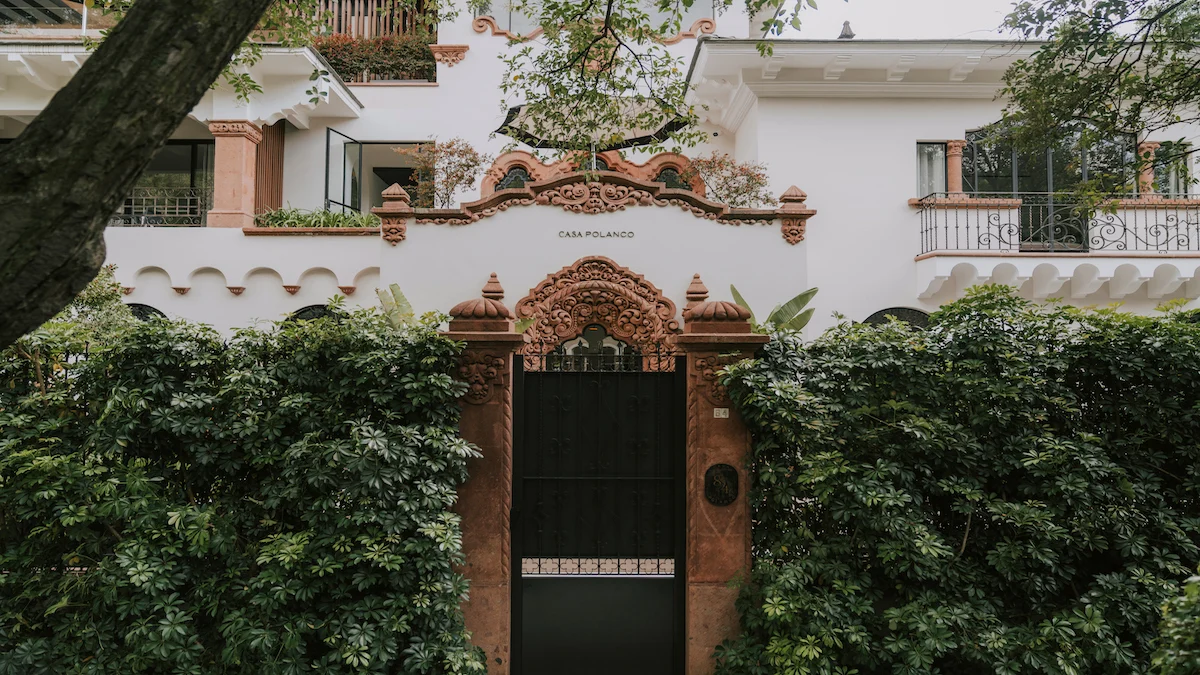
Traditional properties like the Four Seasons have long maintained a firm and respected footing in the capital, but they are now joined by an exciting new wave of boutique hotels that offer a much stronger, more intimate sense of local identity and architectural heritage. In 2022, Casa Polanco opened its doors within a meticulously restored 1940s mansion featuring a striking marble staircase, perfectly positioned directly across from Lincoln Park in the upscale Polanco neighborhood.
Adding to this sophisticated hospitality landscape is El Cortés, a distinguished Relais & Châteaux property spearheaded by Monterrey-born hotelier Carlos Zaragoza. Zaragoza spent much of his childhood circling the globe and staying at premier hotels alongside his family. The 15-room boutique charmer, nestled in the leafy, tree-lined Roma neighborhood, is artfully decorated with paintings and tapestries drawn directly from Zaragoza’s personal private collection, alongside traditional Talavera ceramics integrated seamlessly into the guest rooms.
Downstairs, guests and locals alike can visit Lotti, a snug, intimate restaurant helmed by Swiss-born chef Luc Liebster. Liebster previously cooked at a three-Michelin-star restaurant in Vienna before relocating to Mexico to hone his craft at Pujol, and his menu now features sophisticated European plates that playfully riff on traditional Mexican ingredients.
As the hospitality and culinary sectors flourish, Mexico City’s high-end shopping scene is finally capturing a comparable level of international and domestic buzz. Catalina Marín, a Mexico City-based market analyst at trend forecasting firm WGSN, notes that the local luxury retail market is projected to experience a steady 5 percent growth trajectory over the next five years. Major international fashion and jewelry houses—including Carolina Herrera, Tiffany & Co., and Cartier—have all staged significant, high-profile brand activations within the city.

In 2023, Cartier mounted a massive, three-month exhibition at the Museo Jumex titled Cartier Design: A Living Legacy. "We are seeing a lot of these synergies between local events and these designers, to connect in a different way with the history of Mexican traditions," Marín says. She points out that the underlying demand for high-end, luxury goods among Mexican consumers themselves is also steadily rising. "There are brands entering the market that need to offer a cultural view to connect with the local market," she explains. "For an international visitor, they are super surprised when they see a window from an international brand where they have this local artist or connection."
Homegrown Mexican brands are certainly not being left behind in this retail renaissance. With so many international travelers jetting into the capital specifically to secure a highly sought-after table at Pujol or Gabriela Cámara’s famed seafood institution Contramar, it is only natural that these affluent visitors are choosing to spend their discretionary spending power in other creative sectors across the city.
Montserrat Messeguer, a fashion label widely celebrated for its distinctive western wear and artisanal cowboy boots handcrafted in El Bajío, now regularly counts global music stars like Dua Lipa among its dedicated clientele. Other notable luxury retail openings contributing to the city’s diverse commercial landscape include Lengua, a high-end jewelry boutique showcasing sculptural silver earrings and intricate gold necklaces crafted by prominent Latin American designers, as well as the inaugural standalone storefront from LVMH Prize finalist Patricio Campillo, located in the trendy Juárez neighborhood.
For sophisticated, high-end travelers visiting the metropolis today, this blossoming diversity of experiences means that securing a coveted restaurant reservation is no longer the sole motivating factor for booking a trip to Mexico City.
"There are so many things opening: fashion, design boutiques, and galleries," Quintero reflects. "Every day I discover something new."