Back in 2011, the landscape of Southeast Asian travel was defined by a specific kind of wanderlust. It was an era of heavy canvas rucksacks, paper maps, guidebooks with dog-eared pages, and spontaneous adventures along the well-trodden Banana Pancake Trail. Much has changed since those earlier days, prompting a reflection on how the modern traveler navigates the region. As the concept of the backpacker undergoes a massive transformation, a new generation—alongside a few familiar veterans—has reshaped the culture of hostels, cafes, and beaches across countries like Thailand, Vietnam, Cambodia, and Indonesia.
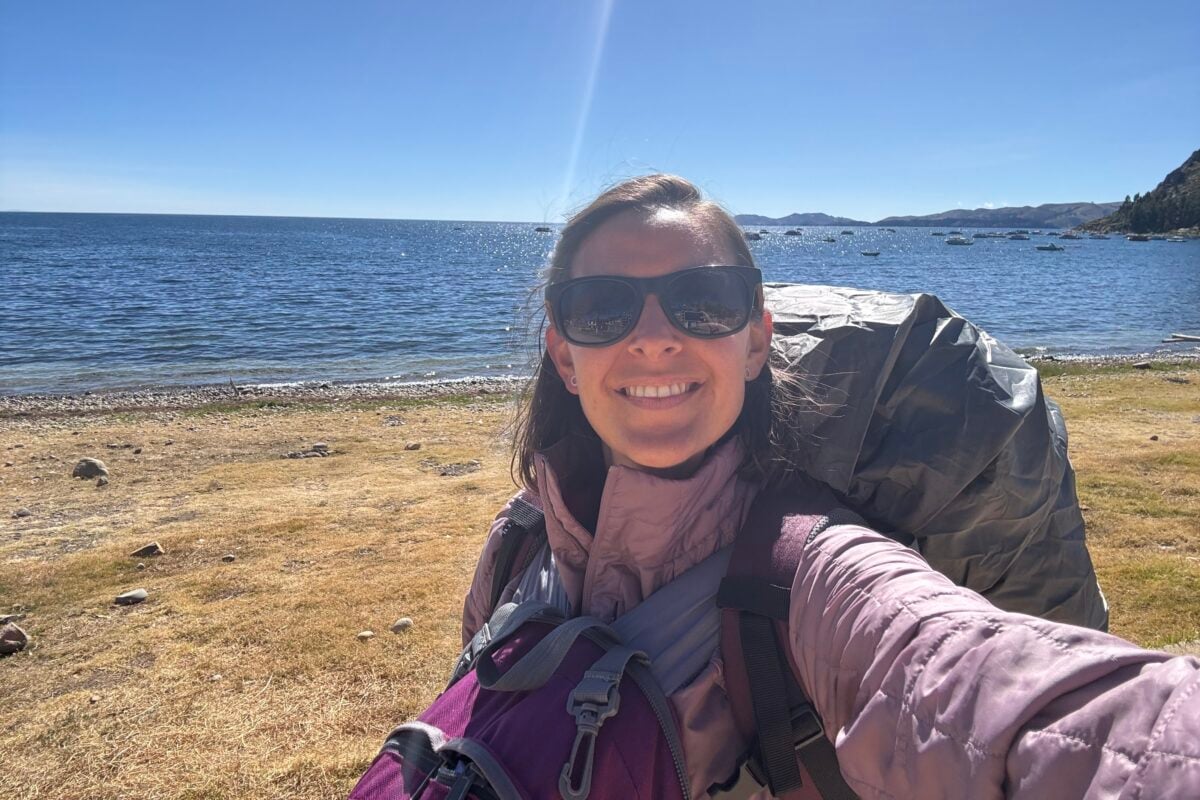
While the spirit of adventure remains alive, the demographics and motivations of those on the road have evolved significantly. The modern travel circuit now accommodates everyone from hyper-connected digital professionals to families trying to recapture past glories, and retirees offering unsolicited advice over hostel drinks.
Among the most distinctive fixtures of the contemporary travel scene is the seasoned veteran often referred to as the Know-It-All Retiree. These well-heeled, mature travelers have seen it all, done it all, and are more than willing to wear the slightly smelly T-shirt to prove it. Every conversation inevitably begins with "back in my day" and concludes with a lament that backpackers simply are not what they used to be. Curiously, this assessment holds a grain of truth, acknowledged even by the old guard who seek out budget-friendly prices and scruffy dorm rooms primarily for the captive audience they provide, eager to impart their wisdom to a younger, phone-addicted generation.

At the other end of the demographic spectrum is the Nomadic Family, a sight becoming increasingly common across Southeast Asia. Typically consisting of millennial couples in their late thirties and early forties, these travelers are tackling the banana pancake route for a second time around. Once the carefree tubers of Vang Vieng or Full Moon Party ravers of Koh Phangan, they now attempt to relive their glory days with children in tow. The reality, however, often diverges sharply from the vision. With one child suffering from motion sickness, another covered in mosquito bites, and a third throwing a tantrum over spicy local cuisine, the freedom they once cherished slips away, replaced by the quiet realization that showing the kids the world is harder than anticipated.
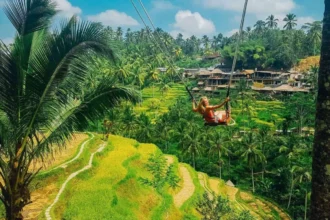
Parallel to the family dynamic is the rise of the Bucketlister, a traveler whose primary interaction with a destination is mediated through a camera lens. Whether meticulously crafting an itinerary or following viral social media trends, these individuals prioritize life on the screen over the present moment. Tranquil settings are frequently interrupted by enthusiastic announcements for the benefit of a modest online following. This widespread fixation on bucket-list travel has fueled overtourism in specific Southeast Asian hotspots, creating literal queues of travelers waiting on idyllic beaches for the exact right photo angle.

Meanwhile, the ubiquity of remote work has cemented the Digital Nomad as a permanent fixture of the Southeast Asian landscape. Concentrated in established hubs like Chiang Mai, Koh Phangan, and Canggu, these location-independent workers—spanning cryptocurrency enthusiasts, dropshippers, and content creators—have driven the development of specialized co-working spaces, cafes, and tailored accommodations. The essential toolkit for this contingent remains remarkably standardized: a MacBook Pro, noise-cancelling headphones, a reliable VPN subscription, a matcha latte, and a well-worn copy of The 4-Hour Work Week.
Physical wellness has also largely displaced the hardcore party culture of previous decades, giving rise to the Fitness Fanatic. Spending months in gritty Muay Thai camps, these travelers pursue personal development alongside strict, and often rotating, dietary regimens. Whether experimenting with keto, veganism, intermittent fasting, or more extreme practices, they maintain rigorous exercise routines that often begin before dawn, establishing a presence in local gyms, scenic running routes, and ice baths.

Alongside fitness enthusiasts, the region continues to attract the Spiritual Seeker, a demographic that has persisted since the counterculture movements of the 1960s and 1970s. Hopping from place to place in search of enlightenment and inner peace, these individuals navigate an increasingly dizzying array of holistic treatments, ranging from Vipassana meditation and reiki to plant medicines and sound healing, often emerging more disoriented by the sheer volume of spiritual options available.
A striking counterpoint to the younger demographics is the emergence of Empty Nesters. In their fifties and sixties, these energetic travelers are journeying in pairs, often funding their adventures with newfound freedom and boundless enthusiasm. Diving, volcano hiking, and paragliding are tackled with an energy that frequently exhausts younger travelers who struggle to keep pace, all while embracing modern digital communication platforms with unexpected vigor.

Contrasting sharply with the older generation of adventurers are High-Expectations Gen Zers, characterized by heavy mobile phone reliance and a preference for digital convenience over spontaneous exploration. Reluctant to interact with locals or fellow travelers when a digital solution is available, this demographic expects modern amenities, strict dietary accommodations, and aesthetic hostel environments—complete with infinity pools and juice bars—while still pursuing an idealized version of authentic travel.
Sustainability has similarly carved out a distinct travel identity through the Eco Traveller. Treating responsible tourism as a strict lifestyle, these individuals prioritize low-impact transit, participate actively in beach cleanups, and consciously avoid overtouristed areas, maintaining a strict opposition to single-use plastics.

Finally, the evolution of the Flashpacker ensures that comfort remains a primary objective for long-term travelers who prefer a slower pace and private accommodations. Opting for suitcases over traditional rucksacks, these travelers are happy to anchor themselves in a single location for months at a time, proving that the modern journey through Southeast Asia can be adapted to almost any definition of comfort.