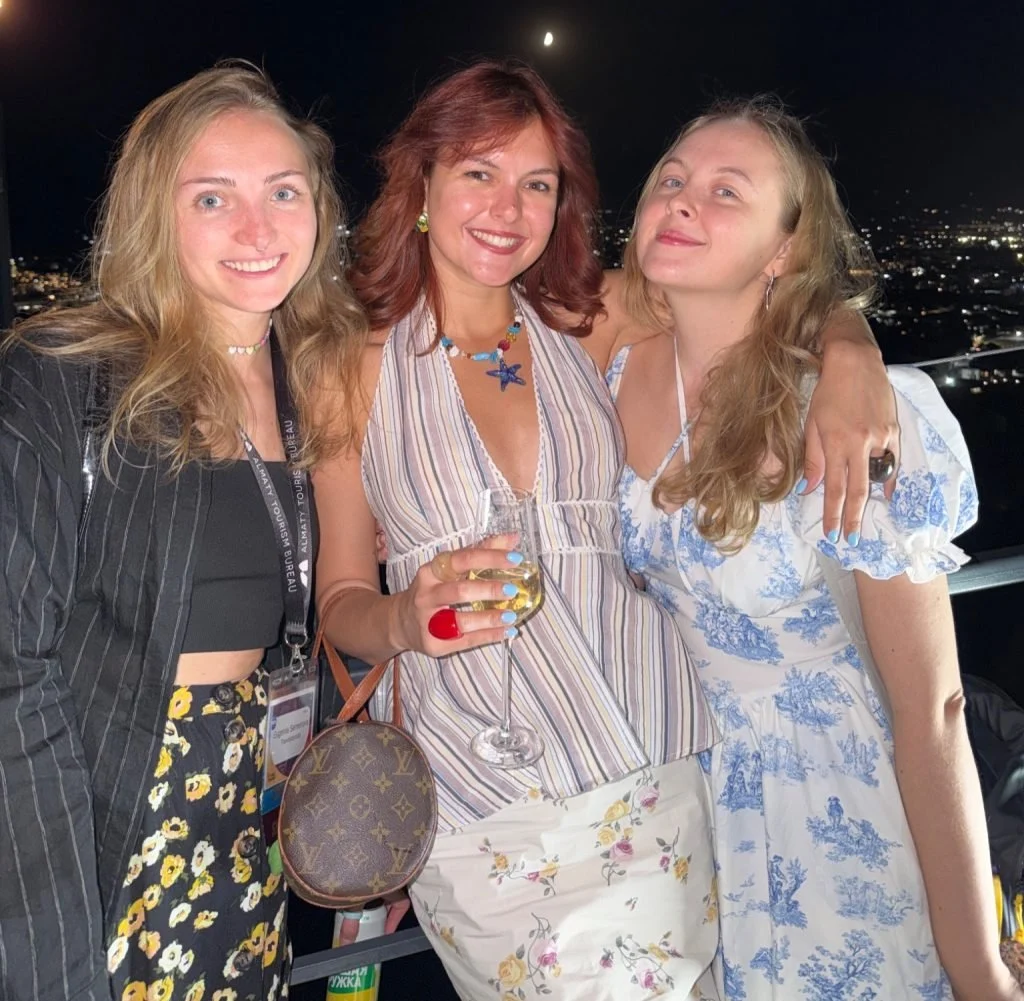
For too long, Kazakhstan’s stunning mountain metropolis of Almaty has remained an underappreciated destination for international travelers and industry professionals alike. Recently, a team from Travelpayouts, led by brand marketing lead Lisa, spent three intensive days in the region, connecting with content creators from all over the world who gathered to exchange ideas, address shared challenges, and explore the evolving landscape of the travel industry. The high-altitude meeting provided a unique backdrop for candid discussions about the current state of digital publishing, where creators are facing significant shifts in how audiences discover their work.
Traffic is Still a Worry, But There’s Good News
At the forefront of nearly every conversation in Almaty was the persistent anxiety surrounding organic search traffic. The digital publishing ecosystem has experienced seismic shifts over the past year, leaving many independent bloggers and travel writers scrambling to stabilize their readership numbers. The situation was heavily exacerbated by sweeping algorithm modifications implemented by search engines, most notably a harsh update rolled out in January.
The impact of these digital changes has been deeply felt across the travel blogging community. Among those affected was Toti, the voice behind the popular travel platform Passport and Stamps. According to discussions at the gathering, the January update hit his publication so hard and proved so profoundly discouraging that he ultimately decided to take a mandatory six-month pause from publishing to reevaluate his approach. Toti’s experience is far from isolated; countless independent creators have found themselves questioning the long-term viability of relying solely on traditional search engine optimization to sustain their businesses.
Yet, despite the gloomy atmosphere that often surrounds algorithmic volatility, the prevailing sentiment among the creators in Almaty was far from hopeless. The overarching message emerging from the panel discussions and peer-to-peer mentoring sessions was that actionable solutions do exist for those willing to adapt their strategies.
For years, the conventional wisdom doled out to aspiring and established bloggers alike was deceptively simple, if ultimately passive: creators were repeatedly told to just keep writing good content and hope for the best. That era of passive optimization, however, has effectively come to a close. Industry veterans at the Almaty gathering emphasized that creators can no longer sit back and wait for search engines to reward quality alone. Instead, there are concrete, proactive measures that publishers can implement today to insulate their platforms, diversify their reach, and meaningfully reduce the detrimental impact of sudden search engine updates.
Driving Blog Traffic From Social Media: Julia’s Insights
Recognizing the urgent need to look beyond traditional search channels, the Almaty gathering featured specialized sessions designed to help creators master alternative traffic sources. One of the standout presentations was led by Julia Falconer, the seasoned digital publisher behind A Lady in London. Bringing nearly two decades of consistent online creation experience to the table, Falconer offered attendees a masterclass in leveraging social media platforms to drive engaged, loyal traffic back to their primary blogs and websites.
Falconer’s session cut through much of the noise and modern fatigue surrounding social media management by focusing on foundational principles rather than fleeting algorithmic hacks. She laid out a framework centered on specific golden rules designed to keep creators grounded, sane, and effective in spaces that often demand an unsustainable volume of content. Rather than spreading themselves thin across every emerging platform, she urged creators to think strategically about where their specific audience spends time and how social channels can serve as an authentic top-of-funnel discovery mechanism for deeper travel stories.
Building upon these fundamental rules, Falconer outlined a series of practical, intelligent approaches for translating social media visibility into actual readership and business growth. Her guidance focused on treating social platforms not merely as digital broadcasting tools, but as conversational spaces where community building dictates long-term success. By establishing a clear pipeline from short-form discovery to long-form storytelling, creators can build resilient digital properties that are far less vulnerable to the unpredictable whims of search engine algorithms.
At the same time, Falconer offered a grounding reality check that resonated deeply with the room full of ambitious creators. She delivered a simple but smart final reminder that even the most effective strategies, refined tools, and brilliant execution plans require time to yield results. Even the most perfect social media and traffic diversification strategies do not work overnight. Sustained success in the digital travel space continues to demand a heavy dose of patience and unwavering consistency over the long haul.
A Little Note Before We Go
As the three-day gathering in Almaty drew to a close, the discussions naturally shifted from technical troubleshooting to reflections on community and connection. For the Travelpayouts team, the immersive experience in Kazakhstan’s cultural and geographical hub provided invaluable face-to-face time with the very people who shape how millions of travelers plan their journeys every year.
Reflecting on the productive exchanges, the team expressed sincere gratitude to everyone they chatted with throughout their time in Almaty, noting a strong anticipation for future industry gatherings, such as the upcoming TBEX conferences where travel creators regularly convene. For those creators who were unable to make the journey to Central Asia, the team shared these insights with the explicit hope that the report might soften a bit of the professional FOMO—fear of missing out—while providing practical encouragement to keep pushing forward in an ever-changing digital landscape.