German aviation giant Lufthansa has successfully outmaneuvered its cross-border rival Air France-KLM to secure an agreement for a substantial 44.9% ownership stake in TAP Air Portugal. According to reports from the Independent, the two powerful European airline groups emerged as the final and sole contenders in a tightly contested, high-stakes privatization process that has captured the attention of the global commercial aviation industry for months. This pivotal development marks a monumental milestone in the long-awaited and politically sensitive effort by the Portuguese government to fully or partially privatize its national flag carrier, setting the stage for a dramatic reshuffling of airline alliances and market dominance across Western Europe and the transatlantic corridor.
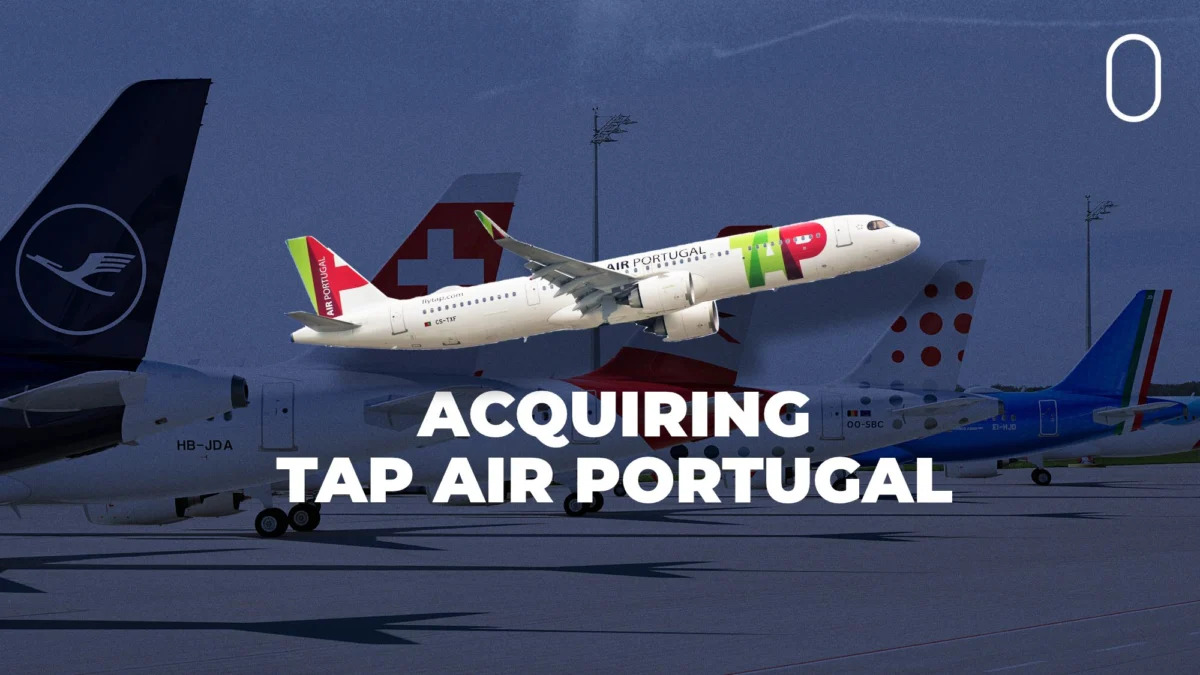
The acquisition of the nearly 45% stake represents a strategic coup for the Lufthansa Group, which already boasts a formidable multi-brand portfolio including Austrian Airlines, Brussels Airlines, Swiss International Air Lines, and ITA Airways. By integrating TAP Air Portugal into its expansive network, Lufthansa stands to significantly reinforce its southern European footprint. More importantly, TAP Air Portugal brings to the table an exceptionally valuable and coveted asset: a vast, well-established network of routes connecting Europe to Brazil and various destinations across South America. For decades, Lisbon has served as a premier geographical gateway between the European continent and the lusophone markets of South America, making TAP an indispensable strategic prize for any major European airline group seeking to capture lucrative long-haul leisure and corporate traffic.
The competitive bidding process proved to be a two-horse race between Europe’s premier aviation conglomerates. While International Airlines Group (IAG)—the parent company of British Airways, Iberia, Vueling, and Aer Lingus—had previously expressed preliminary interest in the Portuguese carrier, the final battle ultimately crystallized between Lufthansa and the Franco-Dutch alliance of Air France-KLM. Both groups recognized the unique strategic value of TAP Air Portugal’s hub at Lisbon Humberto Delgado Airport, particularly at a time when major European hubs are facing severe capacity constraints and slot limitations. Ultimately, Lufthansa’s financial proposal and integration strategy convinced the decision-makers overseeing the sale, allowing the German carrier to edge out Air France-KLM and secure the prized minority shareholding.
Despite the monumental nature of the agreement and the conclusion of the intensive bidding phase, the transaction is far from fully finalized. Although the commercial deal between the parties involved is effectively done, the monumental acquisition still faces rigorous regulatory scrutiny. Specifically, the agreement remains subject to formal approval from the European Commission and competition authorities within the European Union. Brussels will meticulously examine the transaction to ensure that the partial takeover does not create monopolistic conditions, harm consumer choice, or violate strict state aid and internal market regulations. Antitrust regulators will likely evaluate how the integration of TAP Air Portugal into the Lufthansa ecosystem impacts key short-haul and long-haul routes connecting Portugal to the rest of Europe and beyond.
The move represents a significant and decisive step forward in the broader, ongoing saga regarding the privatization of Portugal’s flagship airline. The Portuguese government has spent considerable political and economic capital navigating the complex restructuring of TAP, especially following the severe financial turbulence experienced by the global aviation sector during the COVID-19 pandemic. State intervention and subsequent stabilization packages kept the airline afloat, but the state made it clear that bringing in a strong, experienced private strategic partner was essential for the carrier’s long-term financial health, operational resilience, and competitive viability. Securing a partner of Lufthansa’s scale and operational expertise provides TAP Air Portugal with the backing of one of the world’s most powerful aviation groups, potentially shielding the airline from future economic shocks while securing its position as a vital economic lifeline and tourism conduit for Portugal.
As the industry awaits the formal review process by European regulators, aviation analysts are already speculating on the broader implications of Lufthansa securing the TAP stake. If the European Union ultimately grants its blessing without imposing excessively restrictive conditions, Lufthansa will not only expand its multi-hub strategy but also gain a powerful springboard into Latin American markets where TAP already enjoys deep historical and cultural ties. Meanwhile, Air France-KLM will be forced to recalibrate its southern European strategy, having missed out on a prime consolidation target. For now, all eyes turn to Brussels, where the fate of this landmark cross-border airline investment will be decided.