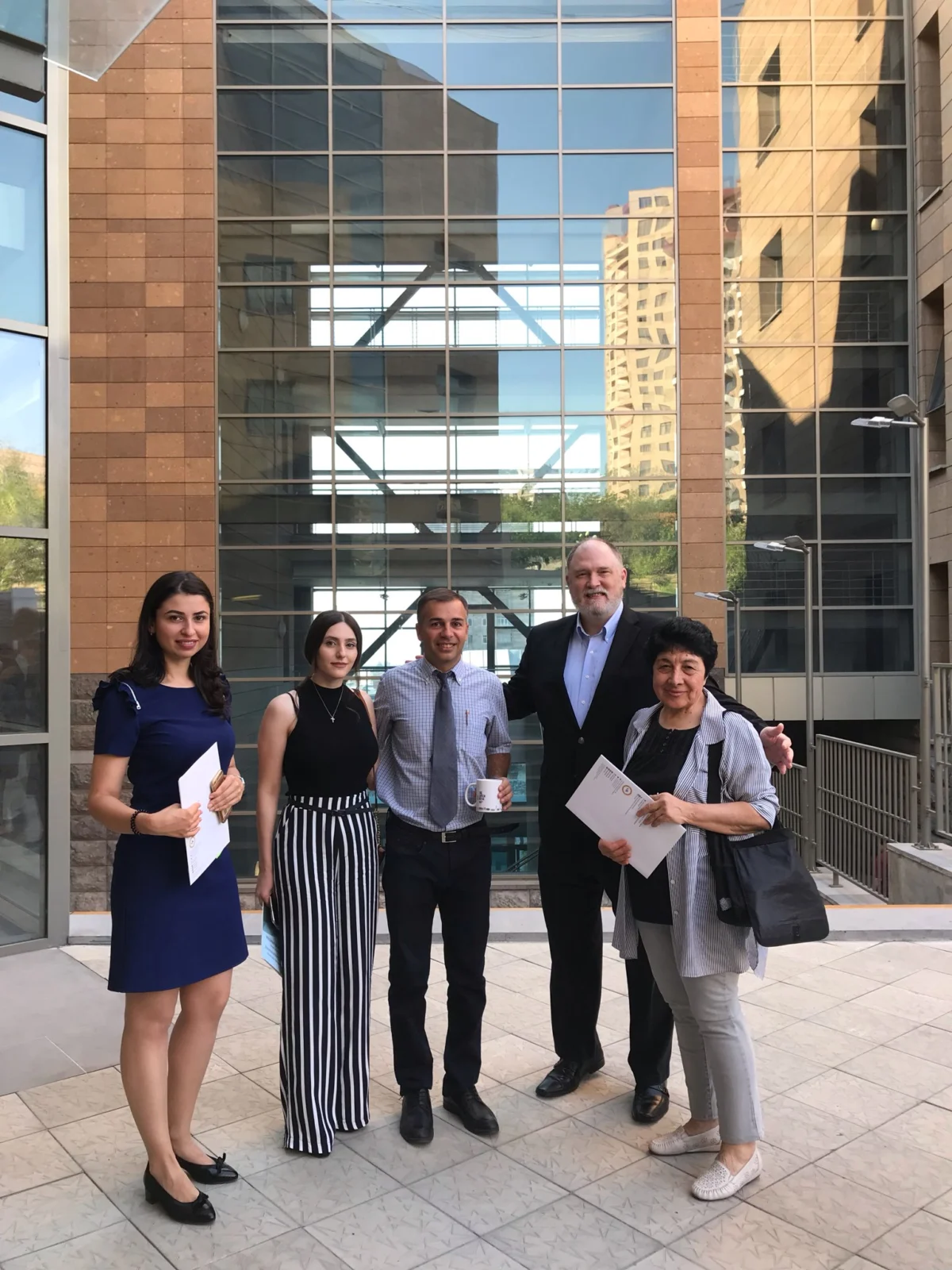
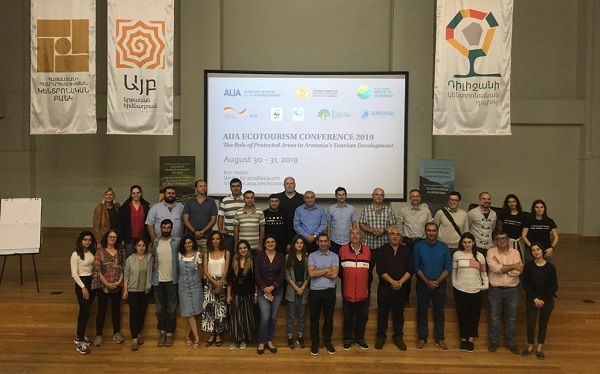
The intersection of environmental conservation and economic development took center stage as international experts, policymakers, tour operators, and protected area managers gathered for the fourth annual AUA Ecotourism Conference. Held over two days on August 30 and 31, the high-profile event focused heavily on the critical role that protected areas play in fostering sustainable tourism that safeguards natural habitats while simultaneously empowering and economically uplifting nearby local communities.
The comprehensive event was organized by the AUA Acopian Center for the Environment in a robust partnership with several prominent institutions. These co-organizers included the Tourism Committee of the Ministry of Economy of the Republic of Armenia (RA), the RA Ministry of Environment, WWF Armenia, the Transboundary Joint Secretariat—funded by the German state-owned development bank KfW—and The International Ecotourism Society (TIES).
Bringing together a diverse array of global and regional voices, the conference featured keynote presentations and panel discussions led by distinguished experts from organizations such as The International Ecotourism Society, the EUROPARC Federation, and the International Union for Conservation of Nature (IUCN). Throughout the multi-day gathering, participants analyzed the current state of sustainable tourism, examined global best practices, and evaluated Armenia’s readiness to capitalize on the rapidly expanding global ecotourism market.
Protected Areas and the National and Regional Economy
A primary focus of the conference was examining the tangible economic benefits that well-managed protected areas can bring to national and regional economies. Dr. Thiago Souza, representing the IUCN Commission on Protected Areas’ Tourism Specialists Group, delivered a compelling presentation on the global experience of investing in natural reserves and the financial returns these investments yield.
Dr. Souza pointed out a recurring flaw in how governments evaluate the worth of natural parks and reserves. Politically, he noted, the true value of investing in protected areas is frequently overlooked because decision-makers typically rely on narrow accounting and financial analyses rather than comprehensive economic evaluations.
"Politically, the value of investing in protected areas is often lost because we typically don’t make an adequate economic analysis," Dr. Souza explained during his address.
He elaborated that officials traditionally look only at the direct budget allocated to a protected area compared against the immediate revenues generated from entrance fees. Under this limited metric, the financial picture often appears discouraging. For most protected areas around the globe, entrance fees are substantially smaller than the operational budgets required to maintain them. Citing an example from South America, Dr. Souza noted that in Brazil, government budgets for protected areas can run up to nine times greater than the actual fees collected from visitors.
However, a dramatically different and far more positive picture emerges when analysts conduct a thorough economic analysis that accounts for broader metrics, including visitor spending, regional tax generation, and the wider multiplier effects of tourist expenditures within local communities.
"In Brazil, we’ve been able to show that for every dollar budgeted and spent on protected areas, the national economy gains 15 dollars. The returns on investment are staggering," Dr. Souza stated.
While European nations show smaller multipliers due to different economic baselines, the returns remain remarkably impressive. According to Dr. Souza, once adequate investments are funneled into European protected areas and their necessary infrastructure, every single euro spent yields between seven and ten euros in broader gross domestic product (GDP) activity.
These findings align with broader global data. A landmark 2015 study by Balmford and colleagues estimated that protected areas worldwide receive an astonishing eight billion visits annually. This massive volume of visitation generates approximately $600 billion per year in direct in-country expenditures, cementing natural reserves as major economic drivers rather than mere conservation expenses.
Growing Market of Ecotourism and Visiting Protected Areas
Building upon the economic arguments for conservation, Jon Bruno, the executive director of The International Ecotourism Society, provided attendees with a broad global perspective on the explosive growth of the ecotourism sector over recent decades.
"Over 90 nations now have an ecotourism or sustainable tourism initiative nationally or at a regional level," Mr. Bruno observed. "This has happened in the last 30 years; there is no other form of tourism or industry that has become so fundamental to the global economy so quickly."
Mr. Bruno emphasized that this is not a passing fad, but rather an accelerating long-term trend driven by a fundamental shift in traveler mindset. Modern tourists are displaying significantly greater sensitivity toward environmental issues and sustainability. Data shared during his presentation highlighted that 70 percent of travelers under the age of 30 consider sustainable travel a top priority. Furthermore, these conscious travelers have demonstrated an increased willingness to pay higher prices to ensure that their tourism experiences align with their ethical and environmental values.
For countries seeking sustainable development pathways, such as Armenia, adapting to this shifting global market is no longer optional. Mr. Bruno urged regional stakeholders to prepare their infrastructure and policies to capture this lucrative demographic.
"Ecotourism and sustainable tourism can help local communities economically and create engagement for protecting their natural assets," Mr. Bruno emphasized. "Ecotourism provides the strongest community revenue and the best return on investment."
Need for Networks, Guidelines, and Standards
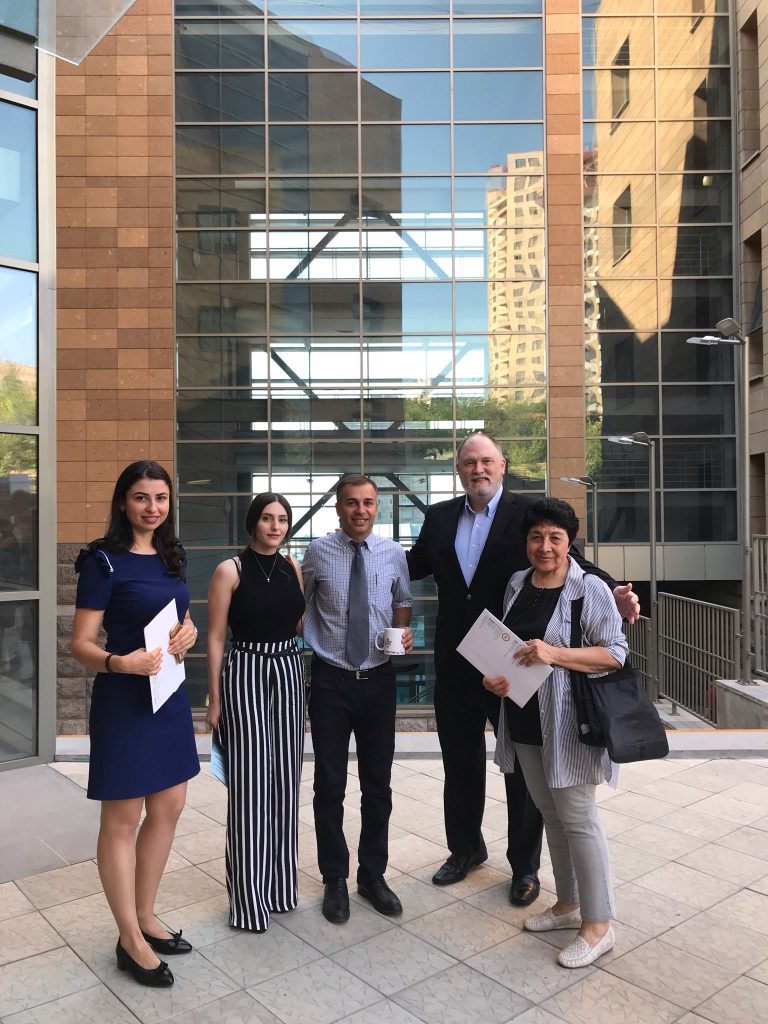
As the conference progressed into its technical sessions, attention turned toward the operational frameworks, standards, and networks required to manage sustainable tourism effectively. Among the prominent voices in these discussions were Carol Richie, executive director, and Paulo Castro, council member of the EUROPARC Federation.
The EUROPARC Federation serves as the umbrella network for Europe’s natural and cultural heritage, working tirelessly to improve the management of protected areas through international cooperation, the exchange of ideas and experiences, and targeted policy influence. Currently, the Federation boasts over 380 member organizations spanning 37 countries. Conference organizers noted that Armenia and its network of protected areas are fully eligible to join the Federation, an affiliation that would open doors to invaluable international connections, management expertise, and collaborative opportunities.
A key offering of the EUROPARC network is the European Charter for Sustainable Tourism in Protected Areas, a certification and planning tool designed to balance conservation with tourism development. Ms. Richie offered a stark warning about the dangers of unregulated or poorly managed tourism initiatives.
"Poorly managed tourism allows societal tensions to persist, weakens local communities’ connection to their heritage, landscape and environment, erodes cultures and values and does irreparable damage and change to nature, wildlife and the environment," Ms. Richie cautioned.
To combat these risks, she explained, the European Charter seeks to build resilient partnerships among local communities, park management teams, and regional tourism businesses. The overarching goals are to support local livelihoods, raise public awareness regarding the vital need for environmental sustainability, and promote active cooperation at local, national, and international levels.
Expounding on the practical implementation of these standards, Mr. Castro outlined the rigorous process required for a protected area to achieve chartered status under the EUROPARC framework. He stressed that achieving sustainable tourism recognition requires deep dedication and patience from all involved parties.
"It’s not a fast process. You have to be patient and committed to a long term, multi-stakeholder process," Mr. Castro noted.
He detailed that applicant sites cannot simply apply through administrative decree. Instead, protected area managements must establish a permanent, ongoing forum to ensure the active participation of all local stakeholders. Moreover, applicants must demonstrate seamless coordination between public administrations responsible for environmental protection and those overseeing tourism activities.
"Things that the protected area needs to show, for instance, is the creation and promotion of tourism products based on local resources," Mr. Castro added, highlighting the necessity of rooting tourism offerings firmly in the local economy and ecology.
Panel Discussions and Site Visits
The two-day conference went beyond theoretical presentations by hosting six intensive panel discussions dedicated to key topics surrounding sustainable tourism in protected areas. These panels featured a collaborative mix of government officials, academic researchers, international delegates, and representatives from non-governmental organizations actively engaged in environmental conservation and tourism support. Through these dialogues, participants successfully identified the primary competitive advantages Armenia holds, alongside the critical regulatory and infrastructural gaps that must be addressed to advance sustainable tourism in and around its protected zones.
To ground the discussions in real-world applications, conference attendees participated in guided site visits to key regional infrastructure projects. The delegation toured the Dilijan Tourism Information Center, the Dilijan National Park Tourism Visitor Center, and the Caucasian Red Deer Reintroduction Center. These excursions provided participants with a firsthand look at how Armenia is developing ecotourism offerings and conservation infrastructure around one of its premier national parks.
Reflecting on the outcomes of the event, the RA Ministry of Environment deemed the fourth annual AUA Ecotourism Conference a resounding success. Officials indicated that preliminary initiatives are already underway to draft and implement a comprehensive growth strategy aimed at fostering sustainable ecotourism across both Armenia’s designated protected areas and its broader regional tourism destinations.